


Cyberpunk Gems of the 80s and 90s: Beyond Akira and Ghost in the Shell
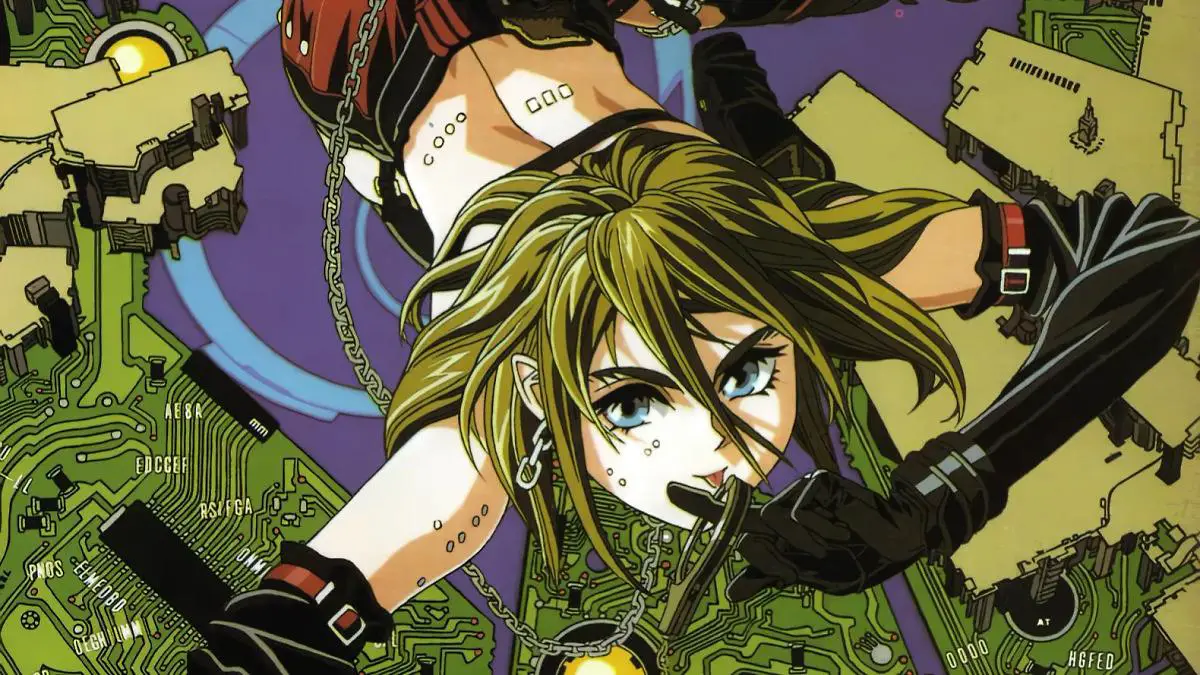
The 80s and 90s were the Golden Age of Cyberpunk, a period where anime fearlessly explored the fear of technology, the omnipresence of corporations, and the merging of the human body with machines. While Akira and Ghost in the Shell are the fundamental pillars, a handful of lesser-known OVAs and films captured the essence of the genre with equal intensity, defining the neon and dystopian aesthetic we know today.
Here, we explore the hidden gems that helped build the subgenre.
I. The Soul of Classic Cyberpunk
Cyberpunk from this era is characterized by:
-
High-Low Dichotomy: Gleaming skyscrapers for megacorporations versus filthy, dangerous slums.
-
Cybernetic Fusion: Emphasis on implants, prosthetics, and the concept of digital consciousness (the Ghost).
-
Neo-Noir Atmosphere: Dark plotlines, cynical detectives, and constant rain reflecting social decay.
II. The Hidden Gems That Break the Mold
These titles are essential for understanding the depth and variety of classic Cyberpunk anime.
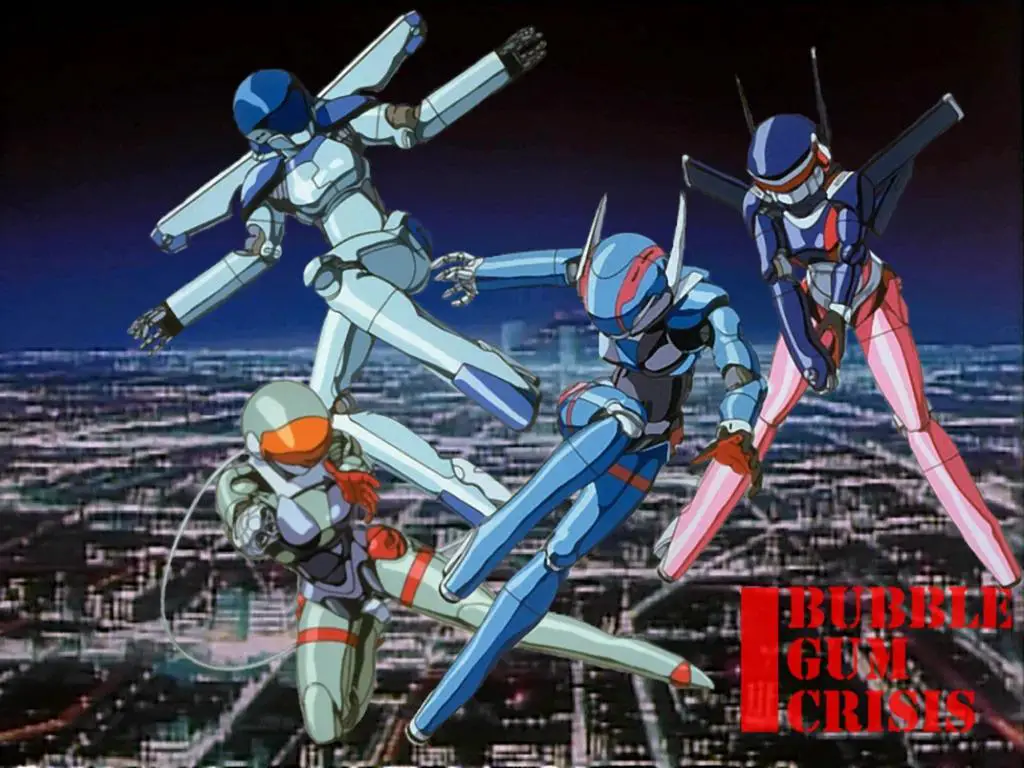
1. Bubblegum Crisis (1987)
-
The Eighties Classic: An OVA series that is the quintessential 80s cyberpunk aesthetic.
-
Premise: In 2032, Tokyo has been devastated by an earthquake and rebuilt as MegaTokyo. The city is terrorized by "Boomers" (advanced robots) created by the GENOM megacorporation. A group of female mercenaries in high-tech powered suits, the Knight Sabers, fight against them.
-
Why It Matters: It defined the cyberpunk fashion (big hair, neon), powered-suit action, and the trope of fighting corporate power.
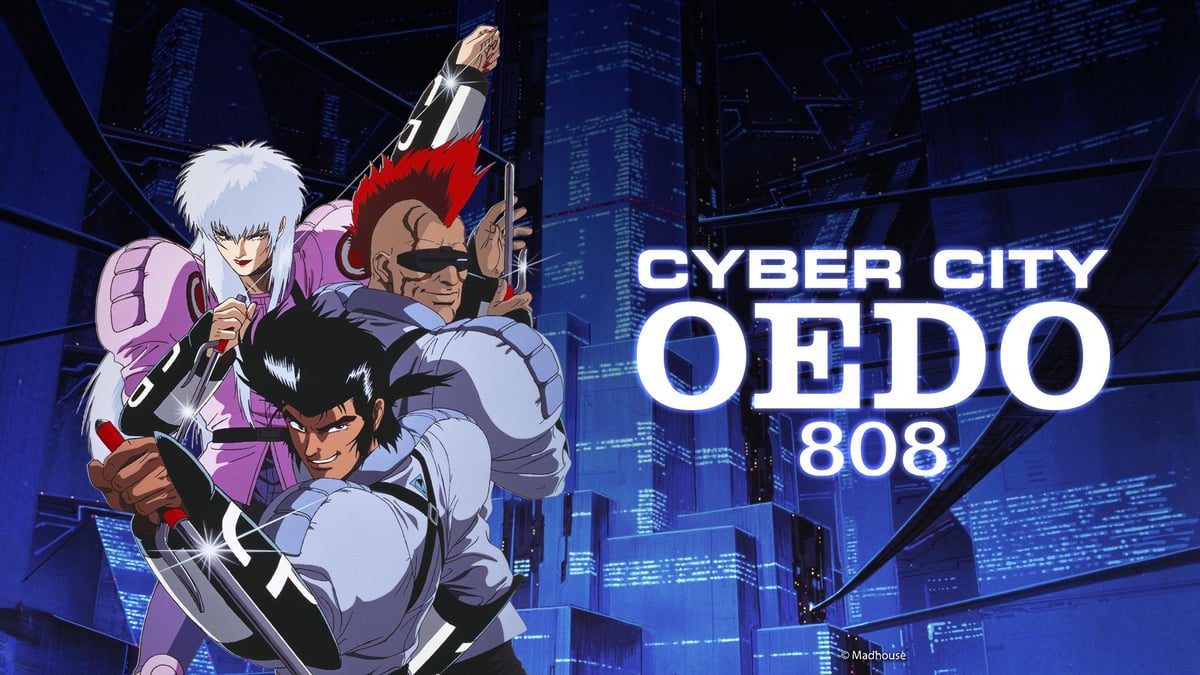
2. Cyber City Oedo 808 (1990)
-
The Raw Style: An OVA miniseries directed by Yoshiaki Kawajiri (known for Ninja Scroll).
-
Premise: Three criminals, sentenced to long terms, are recruited as an undercover police force in the year 2808. They are fitted with high-tech explosive collars that detonate if they disobey orders.
-
Why It Matters: Its animation is viscerally detailed, the music (synth-rock) is iconic, and its tone is incredibly cynical, capturing the brutal underbelly of the cyberpunk world. It is pure neon atmosphere and constant rain.
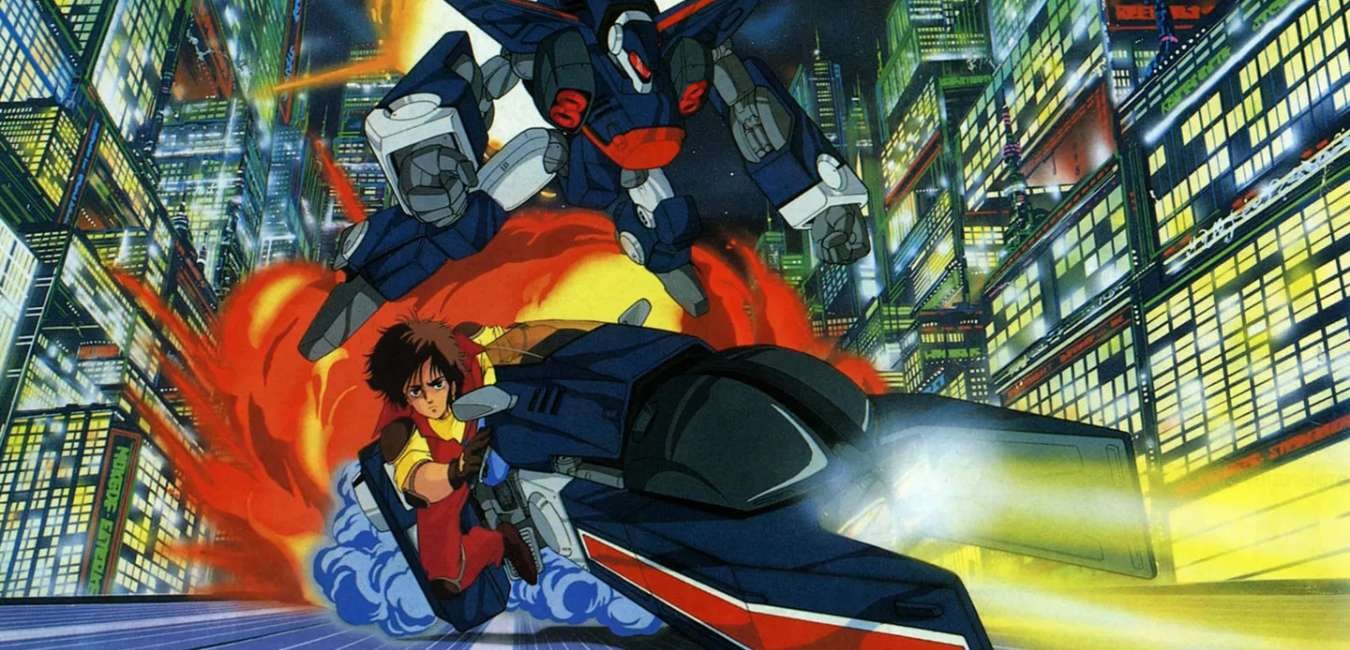
3. Megazone 23 (1985)
-
The Philosophical Pioneer: A complex three-part feature film that was a massive hit in Japan.
-
Premise: Shogo Yahagi, a young man from Tokyo, discovers a high-tech motorcycle capable of transforming into a mecha. He soon learns that the city of Tokyo he lives in is not real, but a massive simulation maintained by artificial intelligence, and that humanity is adrift in space.
-
Why It Matters: It influenced The Matrix (the simulation reveal) and was one of the first works to explore the relationship between virtual reality, identity, and urban life, core themes of the genre.
4. Armitage III (1995)
-
The Reflection on Humanity: An OVA series that focuses on the dilemma of identity.
-
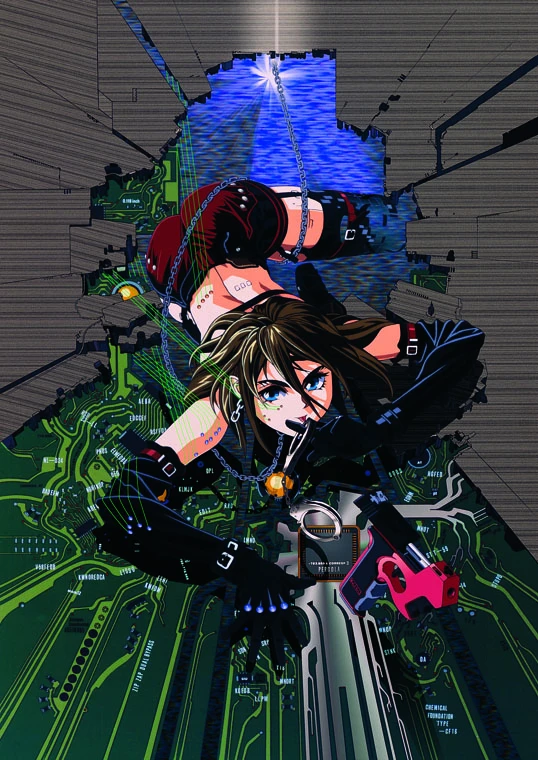
Premise: Naomi Armitage, a police officer on Mars, and her partner Ross Sylibus, investigate a series of murders of "Third Types," female androids so advanced they are indistinguishable from humans. These androids are capable of reproduction, crossing a line that threatens the human elite.
-
Why It Matters: It offers a more reflective, later vision of 90s Cyberpunk, focusing less on the boom of action and more on the philosophical questions surrounding the soul, sex, and artificial intelligence, similar to Ghost in the Shell.
III. The Enduring Influence
These OVAs, often produced on limited budgets for the home video market, allowed directors to experiment freely. They established the visual language (typography, neon reflections, dirty mechanical designs) and themes (government control, the fate of humanity, the body as hardware) that Western science fiction would continue to adopt for decades.
Sponsored
Categories
Read More
In anime, the concept of a villain often transcends pure evil. The most effective villains are those whose motivations expose systemic, moral, or ethical flaws in the fictional world that the protagonist tries to protect. These individuals operate under an undeniable logic, even if their methods are genocidal, absolutist, or unacceptably extreme. The conflict arises from the difference between...

Adapting anime into live-action is notoriously difficult. For every resounding success, there is a dozen of projects shredded by critics and fans alike. The problem lies not just in visual translation, but in the structural sacrifice of the original source. Why is the Failure Rate So High? Most live-actions stumble when attempting to adapt properties with high graphic fidelity...

How to Build Your Perfect "Plan to Watch" List: A Beginner's Guide to MyAnimeList and AniList You've started watching anime. You loved Demon Slayer and Spy x Family. Your friends tell you that you have to watch Attack on Titan, Jujutsu Kaisen, and a classic called Cowboy Bebop. You look online and see articles about Sanda and Kagurabachi. Suddenly, you have 20 "must-watch" series and...
The anime industry is a global phenomenon that generates billions of dollars through streaming, merchandising, and box office sales. However, behind this success lies an economic paradox: most of the artists who create these global hit products are remunerated with historically low wages and often work under precarious conditions. An animator's salary in Japan depends drastically on their...

In the anime community, there is a constant and often incorrect debate. You will see fans arguing that Attack on Titan "must be Seinen" because it is violent, or that One-Punch Man is Shonen because it is about superheroes. Both assumptions are technically incorrect. To understand the manga and anime industry, you must understand one fundamental rule: Shonen and Seinen are not genres (like...