
Manhwa (Korea) vs. Manga (Japan): Key Differences and Why 'Solo Leveling' Changed the Rules
The Asian comic market is dominated by Japanese Manga and Korean Manhwa. While both are sequential arts with rich narratives, they fundamentally differ in their format, production, and consumption method—a division that has become crucial with the rise of mobile devices.
The most notable difference for the reader is that Manhwa, in its modern Webtoon format, was designed from the ground up for vertical scrolling and digital reading, unlike Manga, which was traditionally created for printing on paper.
I. Fundamental Differences Between Manga and Manhwa (List)
-
Priority Platform: Manga is prioritized for Print (magazines, tankōbon), while Manhwa focuses on the Digital format (Webtoons, mobile platforms).
-
Reading Direction: Manga is traditionally read from Right-to-Left, whereas Manhwa is read from Top-to-Bottom (vertical scroll, mobile optimized).
-
Color Usage: Manga is predominantly Black and White (monochromatic), while modern Manhwa is mostly published in Full Color.
-
Panel Style: Manga uses a rigid and varied panel structure (page layout), while Manhwa uses fluid and separated panels (vertical strip layout).
-
Publication Pace: Manga series are often weekly or monthly with longer chapters; Manhwa is also weekly but generally with shorter chapters.
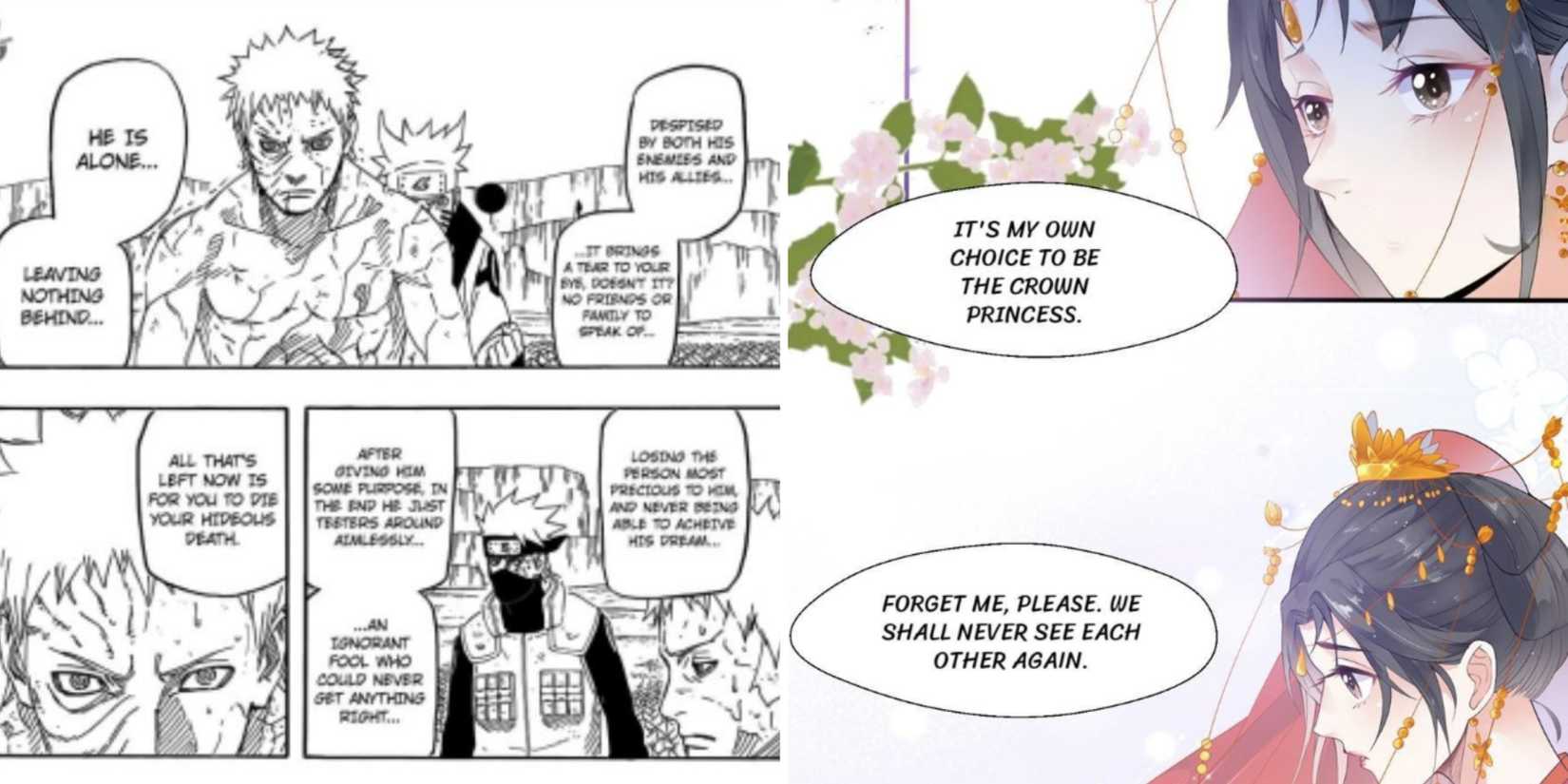
The Color Factor: Modern Manhwa is almost always in full color. This allows artists to use lighting and visual effects to enhance atmosphere and action, something only seen in the rare color pages of Manga.
Colorful and Top-to-Bottom panels
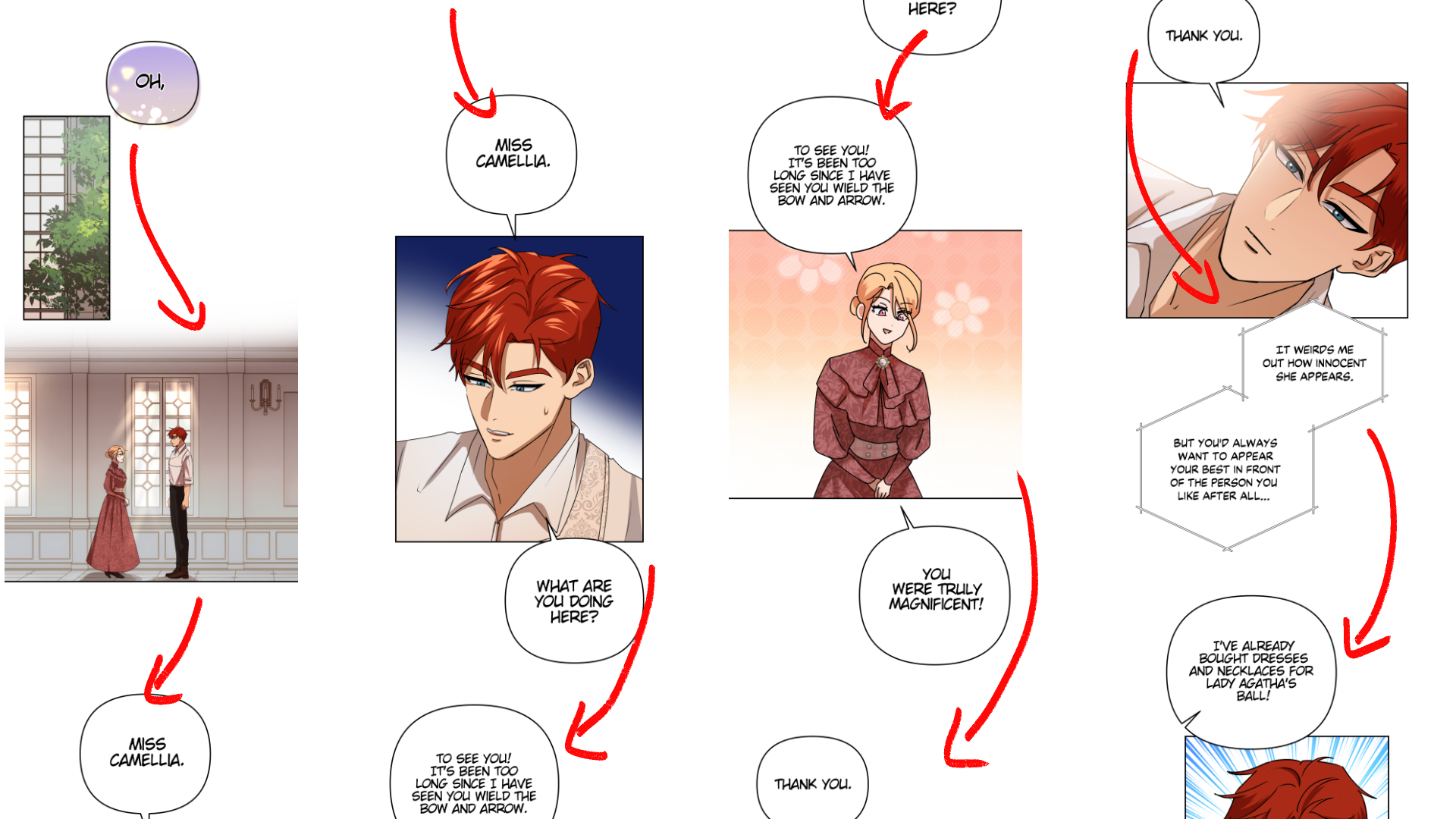
Black and White and Right-to-Left panels
II. The Webtoon Advantage: Mobile Optimization
The global success of Manhwa is due to its Webtoon format solving the consumption problems of traditional comics in the digital age:
-
Immersion and Pacing: Vertical scroll allows for a cinematic pace, as the author controls exactly how fast the next panel is revealed. It is a very fluid and natural reading experience on the phone.
-
Accessibility: Webtoons are released on free or low-cost platforms (like Naver Webtoon/LINE Webtoon), eliminating the price barrier of the physical tankōbon.
III. The 'Solo Leveling' Phenomenon: Changing the Rules
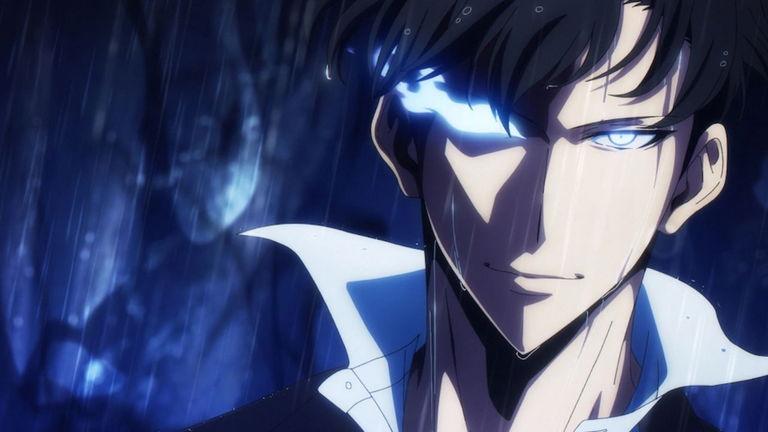
The light novel adaptation of Solo Leveling into Manhwa (finished in 2021) did not invent the Webtoon, but it raised the standards of quality globally and served as a Trojan horse to introduce the format to the Western market.
The Impact of Solo Leveling (List):
-
Standard Visual Quality: The series set a new benchmark for detailed art, shading, and action in the Webtoon format. It proved that 3D and digital tools could be fluidly integrated with 2D art to produce backgrounds and battle scenes of astonishing complexity.
-
Popularization of the System: It cemented the "system interface" and level-based progression trope within fantasy comics, a style that is now predominant in modern Manhwa.
-
Global Gateway: Its immense popularity in the West, thanks to official translation and digital accessibility, opened the doors for thousands of other Manhwas (like Omniscient Reader and Tower of God) to find massive audiences, directly competing with the biggest Manga titles.

Conclusion
Manga and Manhwa coexist in an ever-evolving market. While Manga remains the king of print and genre diversity, Manhwa has conquered the digital space with its full-color, mobile-optimized format and its focus on action and fantasy genres. The explosive success of Solo Leveling was not the beginning, but the confirmation that the Webtoon model had become an unstoppable global force.
Sponsored
Categories
Read More
Anime limited to an 11 to 13-episode range often benefit from a tighter narrative pace, eliminating filler and concentrating the drama. This makes them ideal for a weekend binge. Here are five series that offer a complete and high-impact experience in a short format. 1. Psychological Thrillers and Dense Narratives These titles use their short format to maximize dramatic twists and...

Top 5 Anime Movies to Make You Cry (That Aren't From Studio Ghibli) When someone asks for a recommendation for a "sad anime movie," the automatic answer is almost always Studio Ghibli and its devastating Grave of the Fireflies. It's a classic, no doubt. But the world of anime is vast, and limiting your search for strong emotions to a single studio is a mistake. Directors like Naoko...
The world of anime figures offers a vast range of options, which can be overwhelming for new collectors. The choice between popular articulated figure lines and static statues fundamentally depends on your budget, display space, and preferred collecting style. Here we break down the three most important categories in the anime collectible market. 1. Nendoroid (The Chibi Style) Nendoroid...

The Re-Rise of Sports Anime: How 'Blue Lock' and 'Haikyuu!!' Made Sports a Global Phenomenon For decades, sports anime (or "Spokon") was a fundamental but consistent genre in Japan, with classics like Slam Dunk and Captain Tsubasa. Globally, however, it was often considered a niche. Today, in 2025, that has irrevocably changed. The sports genre now competes in global popularity with the...
The anime figure market is saturated with counterfeits, technically known as "bootlegs." These illegal copies fail quality controls, use inferior materials (toxic or unstable PVC), and lack resale value. Identifying a counterfeit requires a technical inspection of four key factors: packaging, licensing seals, material quality, and market price. 1. The Authenticity Seal (Holograms) The...