The History of 'Magical Girls': From the Innocence of Sailor Moon to the Darkness of Madoka Magica
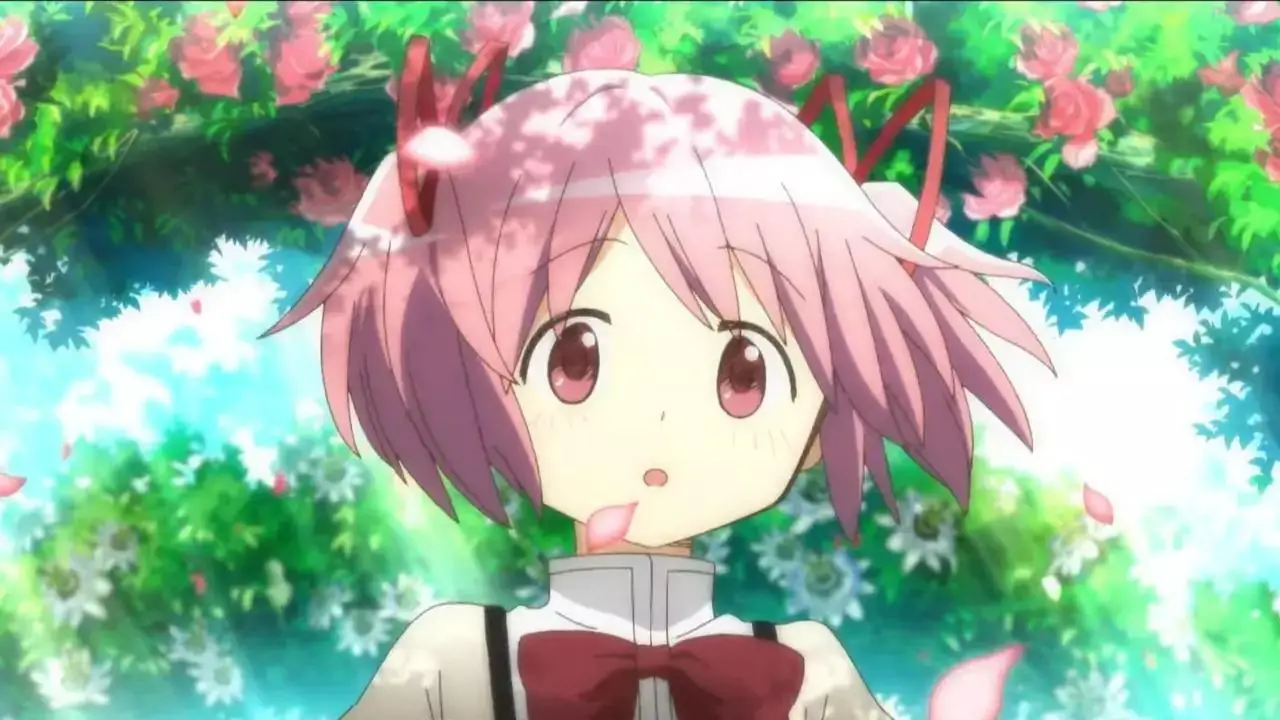
The Mahō Shōjo (Magical Girl) genre is one of the pillars of anime and manga, with a history spanning over half a century. What began as a childlike concept of costumes and wishes has transformed into a complex genre capable of exploring themes of sacrifice, despair, and nihilism.
The trajectory of this genre can be divided into distinct eras, marked by two main narrative milestones: the introduction of combat with Sailor Moon and the psychological deconstruction with Madoka Magica.
I. The Magical Start: Foundations and Focus on Fantasy (1960s - 1980s)
The genre's origins focused on the basic premise of a girl who gains magical powers to live adventures and help others, with little to no combat.
-
Mahōtsukai Sally (Sally the Witch, 1966): Considered the first Mahō Shōjo series. The story centers on Sally, a princess from the Magic Kingdom who comes to the human world and uses her magic to help her friends. The focus was on comedy and everyday drama.
-
Himitsu no Akko-chan (1969): Introduced the notion of a magical object (a mirror) that allows the protagonist to transform into anything or anyone. Here, the focus was on identity changes and problem-solving, not fighting evil.
-
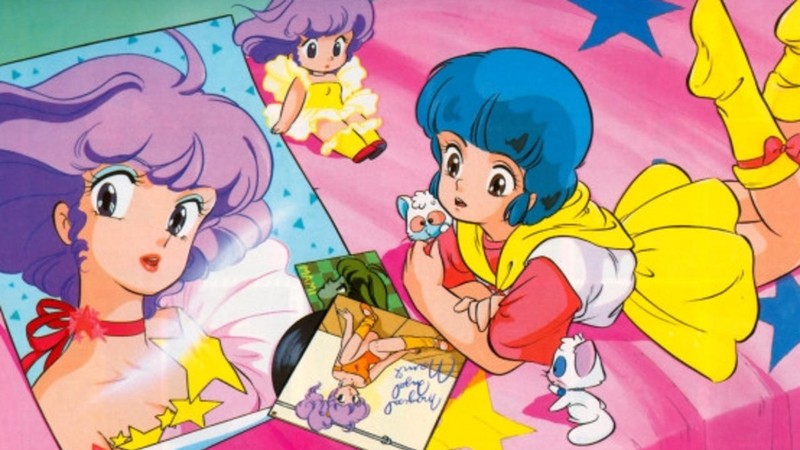
Creamy Mami, the Magic Angel (1983): Popularized the use of magic to achieve a dream (becoming an Idol). It was crucial in establishing the trope of the transformation with an adult appearance change.
Sally the Witch

Himitsu no Akko-chan

Creamy Mami, the Magic Angel
II. The Action Revolution: Sailor Moon and Team Combat (1990s Decade)
Pretty Soldier Sailor Moon (1992) marked the definitive break with earlier series. It kept the transformation but added elements of the Sentai genre (teams of heroes).
The Impact of Sailor Moon (List):
-
Introduction of Combat: The series established that the duty of magical girls is to fight villains directly (instead of just using magic in secret).
-
The Heroine Team: For the first time, a hierarchical team of heroines was created (the Sailor Senshi), each with different powers and personalities, broadening the narrative appeal.
-
Mature Relationships: The series introduced more serious themes like sacrifice, death, reincarnation, and, fundamentally, one of the first deep central romantic couples (Usagi and Mamoru) in the genre.
-
Unlimited Aesthetics: The design of the costumes and the transformation animation became a gold standard for all subsequent series in the genre.

III. The Darkness and Deconstruction: Madoka Magica (2010s)
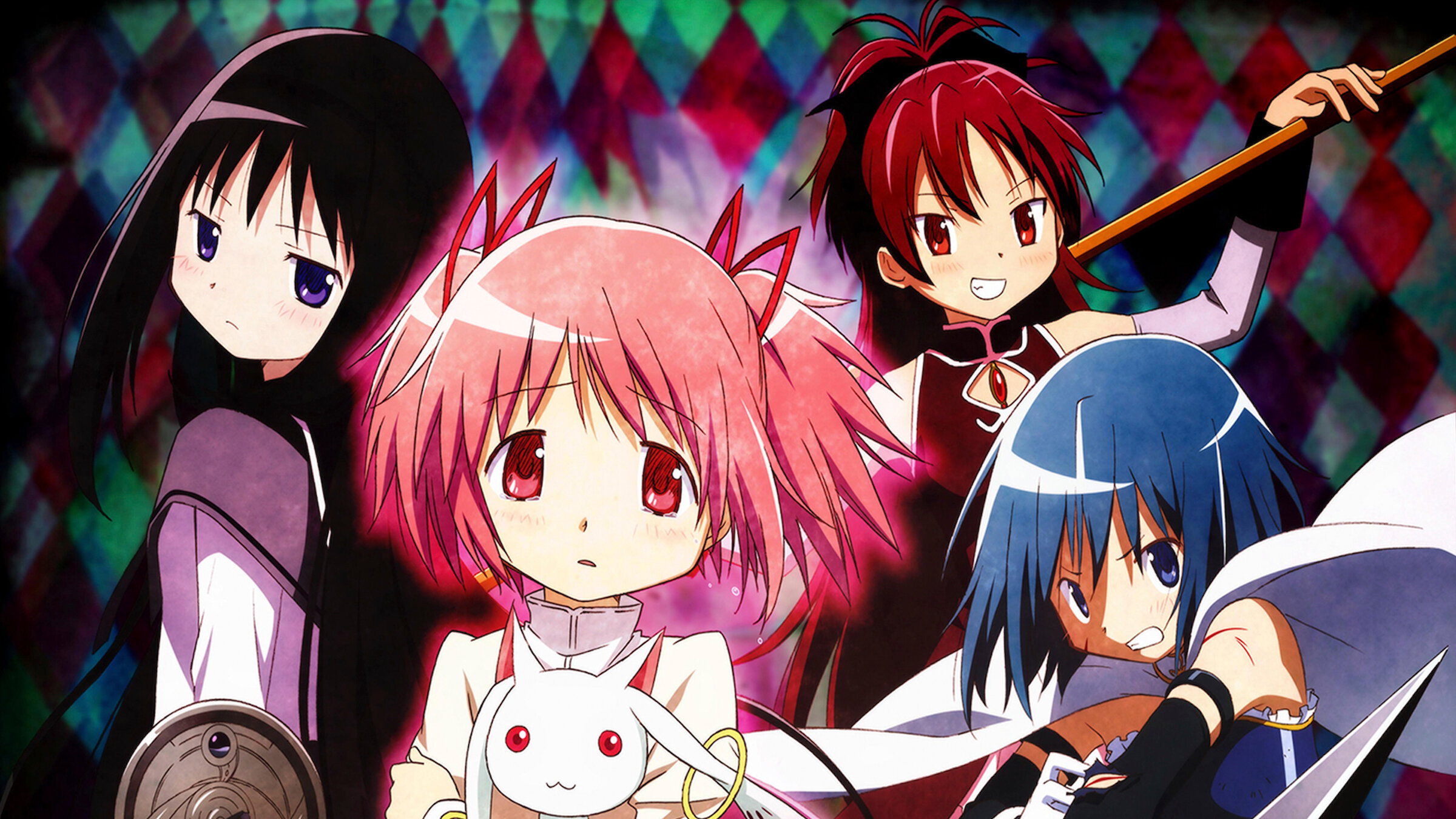
During the 1990s and 2000s, the genre diversified (Cardcaptor Sakura, Pretty Cure), but in 2011, Puella Magi Madoka Magica completely redefined the genre by subverting and darkening all established tropes.
The Deconstruction of Madoka Magica (List):
-
The Deadly Contract: Instead of being a gift, magical powers are a contract from Kyubey that inevitably leads to despair and tragedy.
-
Transformation as Misfortune: Transformation is not liberating, but a constant reminder of the sacrifice and brutal fate awaiting the magical girls (turning into witches).
-
Extreme Mature Themes: The series directly addresses PTSD, suicide, nihilism, and the morality of the "greater good."
-
Seinen/Adult Audience: It was deliberately designed for a more mature audience who had grown up with Sailor Moon, using nostalgia to shock with its dark twist.
IV. Conclusion: A Genre in Constant Mutation
The Mahō Shōjo genre has proven to be incredibly resilient, moving from simple comedy to existential psychological drama. Today, subsequent series (like Yuki Yuna is a Hero or Magical Girl Raising Project) continue to explore the full spectrum, balancing classic innocence with the complexity of deconstruction.
Sponsored
Categories
Read More
Anime is a fantastic tool for immersion in the Japanese language. Although the dialogues are often dramatic or exaggerated, there is a core of words and phrases that are repeated in almost every series. Hearing these terms repeatedly not only helps you with pronunciation but also teaches you the cultural context of their use. Here are 10 essential words and phrases guaranteed to speed up your...
A Beginner's Guide: 10 Recommended Anime Series to Start With Anime is an animation medium originating from Japan. It contains a vast number of works covering multiple genres, such as action, science fiction, romance, and comedy. This wide variety of options can be difficult for a new viewer to navigate. If you are new to anime, you might ask, "Where do I begin?" Perhaps you only have...
Filler vs. Canon: A Beginner's Guide to Understanding Anime Arcs (and Which to Skip) You're watching a long-running action anime, like Naruto. The main plot is intense; the characters are in the middle of crucial training or a life-or-death battle. Suddenly, the next episode begins, and the main characters are on an unimportant side mission, like helping a talking ostrich or cooking the...
'Zenless Zone Zero' Review (2025): Is This the Next Big "Anime-Gacha" Hit? When Zenless Zone Zero (ZZZ) launched in July 2024, the question on everyone's mind was whether HoYoverse (the creators of Genshin Impact) could strike gold a third time. Expectations were incredibly high. Now, almost a year and a half later in November 2025, we can look back and answer that question. ZZZ is not...
The Isekai (異世界, "another world") genre is the undisputed king of modern anime. Its premise—a protagonist is transported or reincarnated into a fantasy world—offers limitless escapism. However, its success has led to market saturation, where most series repeat a formula that now feels exhausted. I. Why Does the Isekai Formula Feel Saturated? The rapid production of Isekai relies on...