


Beyond the Damsel in Distress: Strong and Agentic Heroines in Anime
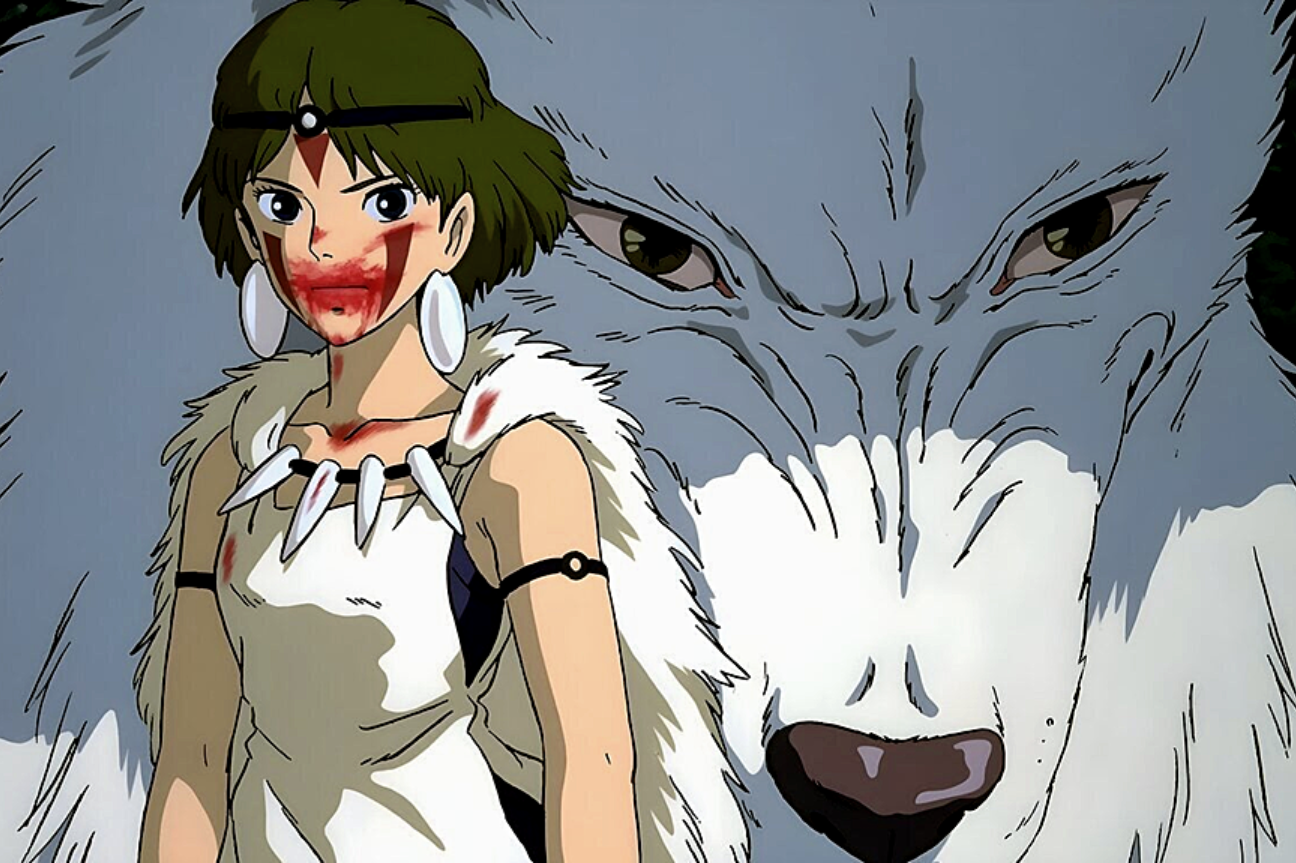
The Damsel in Distress (DiD) trope, where the primary narrative function of a female character is to be rescued by a male hero, has long been a pillar of fiction. However, anime and manga have been pioneers in deconstructing this concept, offering female characters who are not only strong but leaders, strategists, and active agents of their own destiny.
This article celebrates the heroines who reject passivity and possess complete narrative agency.
I. The Deconstruction of the Classic Trope
The traditional DiD model conventionally places the female character in a passive and rewardable position, where her value is measured by her need to be saved, thus driving the male hero's plot.
Characteristics of Modern Female Agency (Simple List):
-
Self-Initiative: The character's motivation is internal (revenge, protection, truth), not generated by kidnapping or threat.
-
Leadership: Ability to command armies or make strategic decisions without depending on male approval.
-
Self-Sufficiency: Ability to solve her own physical and emotional problems.
II. Heroines with Self-Will and Agency
These five figures exemplify the breadth and depth of the modern heroine's evolution in Japanese animation, spanning different genres.
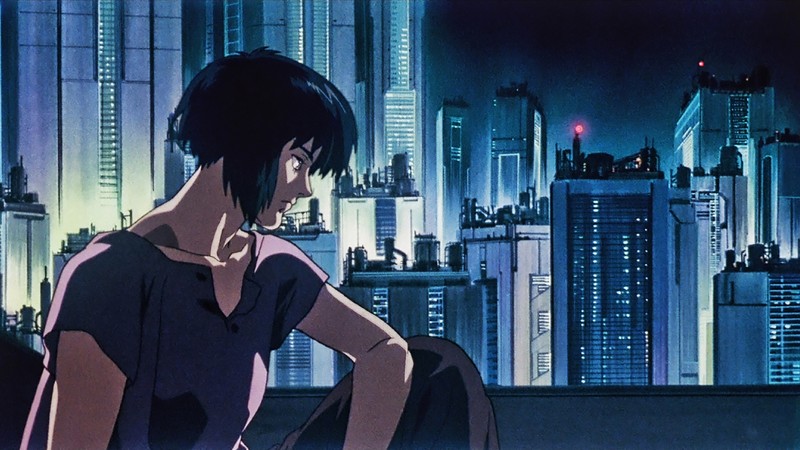
1. Motoko Kusanagi (Ghost in the Shell)
-
Central Agency: Tactical and Philosophical Leadership.
-
Role: She is the Major and leader of Section 9, an elite security unit. Her plot never depends on a romantic relationship or being rescued, but on pursuing the truth and exploring her own identity in a cybernetic world.
-
Impact: She is a global icon of science fiction, representing cold, professional competence.
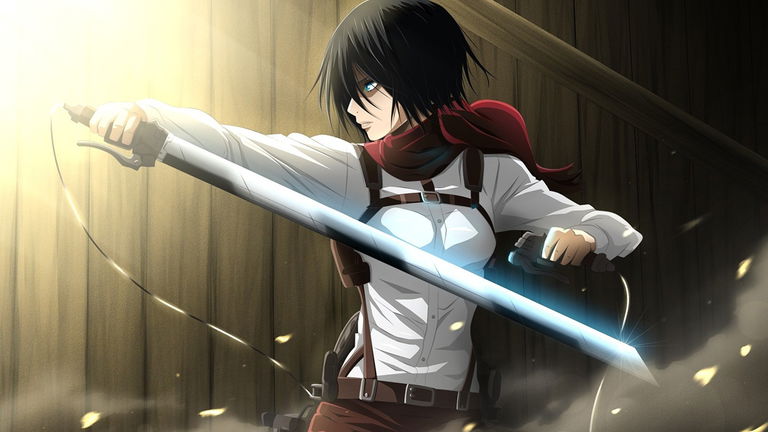
2. Mikasa Ackerman (Attack on Titan)
-
Central Agency: Physical Dominance and Protection.
-
Role: She is considered the most capable soldier in humanity (alongside Levi). Her main purpose is not to await rescue but to ensure the survival of those she loves. She is the protector, inverting the traditional gender role.
-
Impact: Proves that strength and physical ability in shonen have no gender barriers.
3. Homura Akemi (Puella Magi Madoka Magica)
-
Central Agency: Sacrifice and Tragic Determination.
-
Role: In a deconstruction of the Magical Girl genre, Homura repeatedly sacrifices herself to try and change a tragic fate. Her agency comes from her unwavering will to fight the cosmic system, not her magical powers.
-
Impact: Elevated the magical female character to the status of a philosophical and complex heroine.
4. Nausicaä (Nausicaä of the Valley of the Wind)
-
Central Agency: Moral Leadership and Mediation.
-
Role: Princess of a kingdom, but above all, a scientist and warrior who seeks coexistence between humanity and the toxic ecosystem. She is not saved by anyone but acts as a mediator and savior of worlds.
-
Impact: Established an early standard for Ghibli protagonists as active and ethically complex figures.

5. Clare (Claymore)
-
Central Agency: Personal Revenge and Survival.
-
Role: A half-human, half-demon warrior. Her existence is a very personal quest for revenge. The narrative focuses on her struggle for emotional and physical control, and she has no time for romance.
-
Impact: Proves that protagonists can be stoic anti-heroines, driven by trauma and possessing an unadulterated survival mindset.

III. Conclusion
The modern heroine in anime not only breaks the Damsel in Distress trope but replaces it with multi-dimensional archetypes. By centering the narrative on their leadership, psychological struggles, and capacity for action, these series have enriched the medium, proving that the most memorable female characters are those who write their own story.
Sponsored
Categories
Read More
Your Favorite Anime Just Ended? A Beginner's Guide on How (and Where) to Start Reading Manga You've finished the latest season of your favorite anime. The solution is simple: read the manga. The manga is the original source material for most anime, and in almost every case, the story is much further ahead than the animated adaptation. But this raises three key questions for a beginner:...
Loved 'Demon Slayer'? 5 Other Action Anime with Breathtaking Animation Demon Slayer: Kimetsu no Yaiba has become a global phenomenon. While its story of a young man seeking to avenge his family and save his sister is a pillar of the Shonen genre, the main reason for its success is its visual production quality. Studio Ufotable uses a technique that combines fluid 2D character animation...
One of the biggest headaches for romance fans in anime is the "open ending": ambiguous confessions, vague promises, or, worse, a simple handshake. Audiences seek the satisfaction of seeing emotional progression culminate in a stable, confirmed relationship. This list is dedicated to those anime that are not afraid to take the leap, offering complete narrative and emotional closure where the...

The success of an anime in Japan is historically measured by Blu-ray/DVD sales and broadcast ratings. Global success, however, is measured by international licensing, streaming sales, and long-term cultural influence. The seven series below are primary examples of how low domestic reception was offset by an explosion of popularity in the West. 1. The Adult Swim Phenomenon (The Ratings...
For millions of people in the West (America and Europe), the word “anime” wasn’t learned online. It came from a single source: a programming block on Cartoon Network called Toonami. In the late 1990s and early 2000s, Toonami was, for many, the only gateway to shows like Dragon Ball Z, Sailor Moon, and Gundam Wing. But its legacy runs much deeper than its lineup. It...