








Eren Yeager (Attack on Titan / Shingeki no Kyojin) represents one of the most complex case studies of a protagonist’s evolution in modern anime. His trajectory shifts from a vengeful hero archetype to a deterministic antagonist. Two irresolvable forces drive Eren’s psychology: a radical thirst for freedom and the tyranny of the future.
1. Phase I: The Classic Hero (Rage and Vengeance)
The initial Eren defines himself through rage and vengeance. During this phase, his motivation remains external and reactive.
The Catharsis of Loss
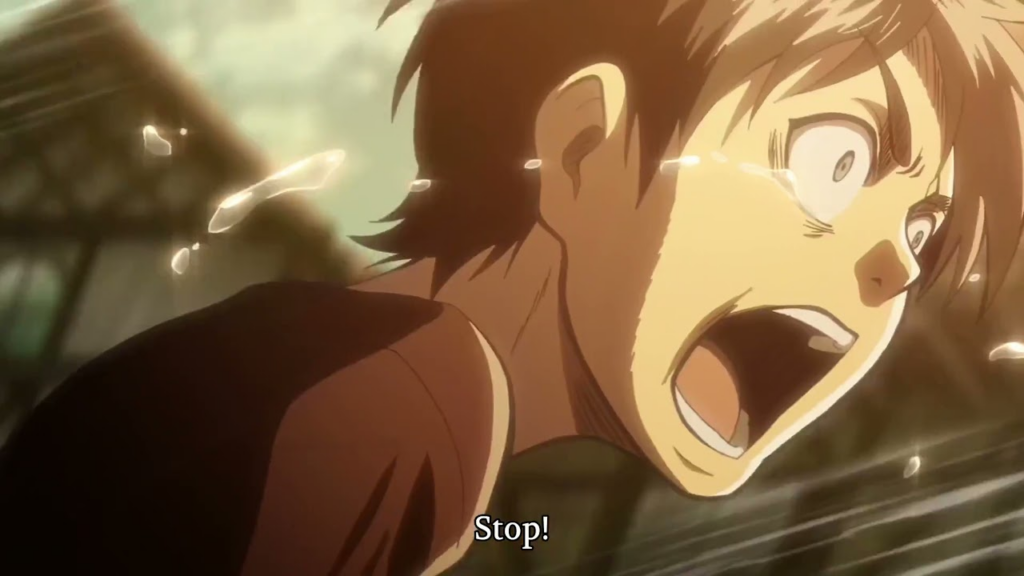
Following the death of his mother, Carla Yeager, Eren’s psyche simplifies. His goal is the eradication of the Titans. This vengeance is a primitive, heroic response that drives the narrative. During this phase, Eren is the archetypal hero, characterized by his hyper-aggression and fearlessness toward personal sacrifice.
The Outside World as a Prison
From the beginning, Eren views the world within the walls as a prison. His struggle for freedom is purely physical. He does not fight for his people but to get out of the cage, a manifestation of his extreme individualism.
2. Phase II: The Burden of Conscience (Fatal Determinism)
The discovery of historical truth and the Attack Titan’s power (which allows him to see future memories) fractures Eren’s psyche and turns him into a deterministic character.
The Tyranny of Precognition
Future knowledge negates Eren’s free will. He has already seen the sequence of events, including the genocide. His psychological struggle no longer targets an external enemy. Instead, he fights against his own destiny. He becomes a slave to an inevitable future.
The Desire for Absolute Freedom
Paradoxically, the only way Eren finds to achieve “freedom” (the survival of Paradis) is through the most atrocious act. He believes the only way to resolve the two-thousand-year conflict is by erasing the enemy, justifying genocide as the price of liberation.
3. Phase III: The Necessary Monster (The Rumbling)
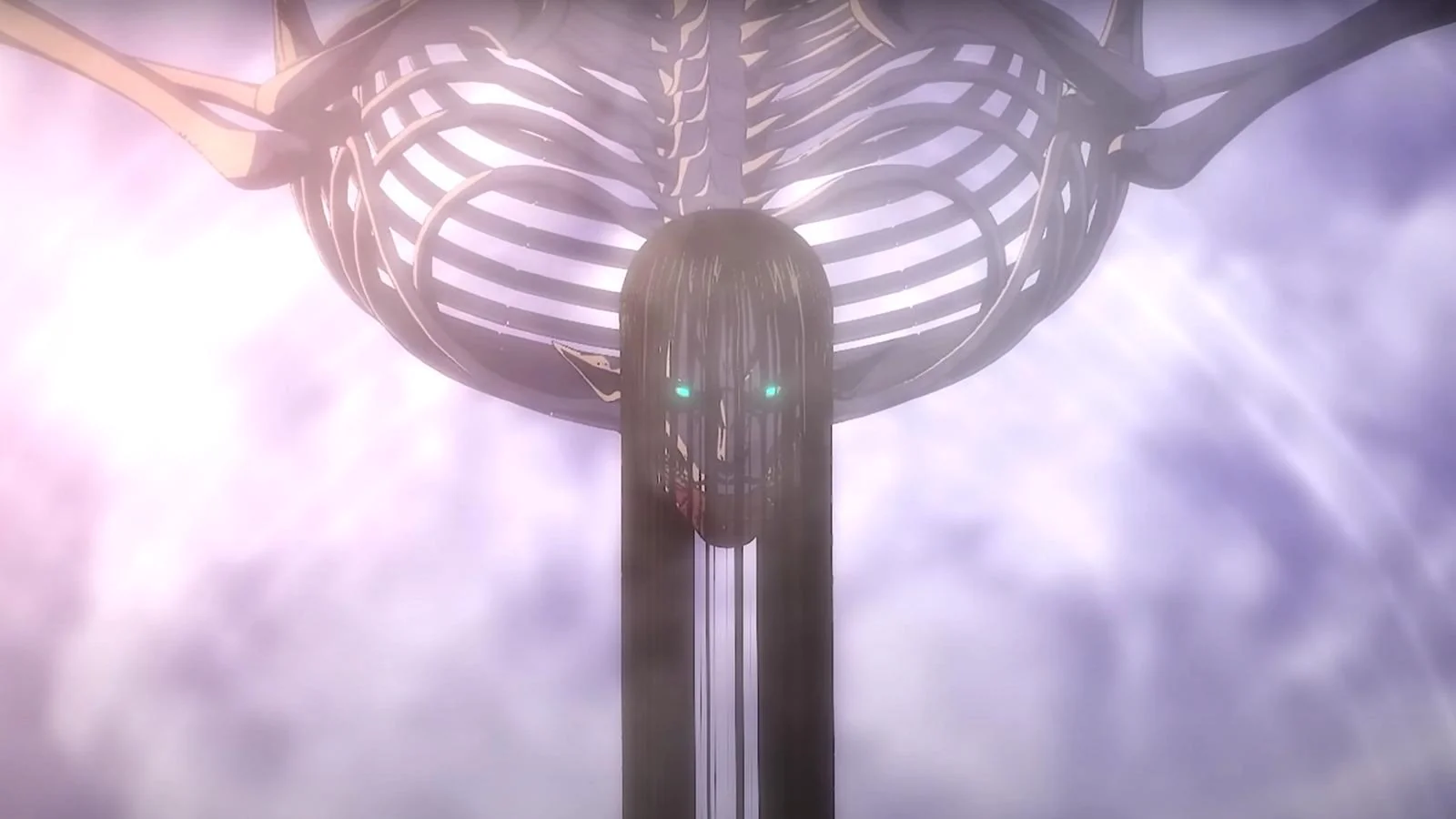
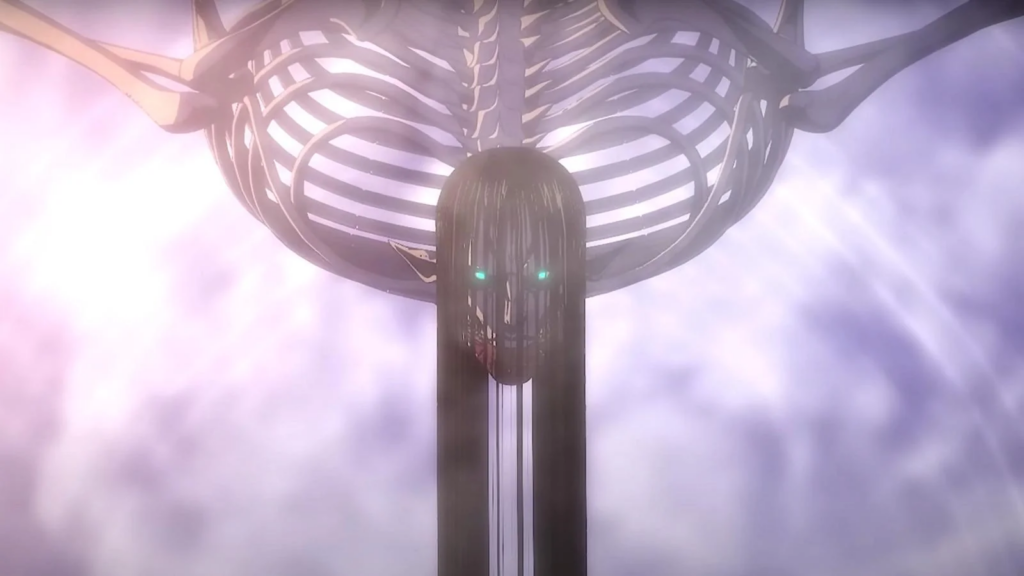
The Rumbling is the embodiment of Eren’s internal conflict. The protagonist transforms into the Monster to save his people.
Isolation and Moral Distortion
Eren isolates himself from his friends (Armin and Mikasa) to carry out actions he deems necessary, not wanting them to soil their hands. This is a psychological defense: he distorts morality to believe he is acting out of altruism towards his loved ones, while objectively being a perpetrator.
Hero to Paradis, Monster to the World
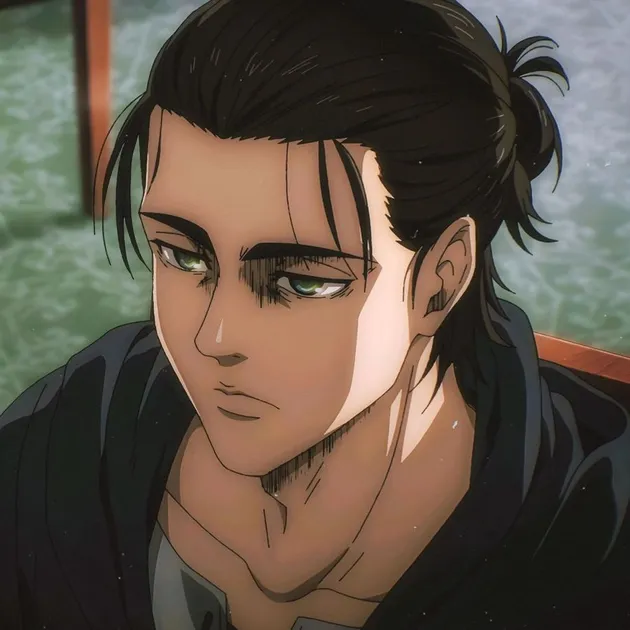
Eren’s moral ambiguity is summarized by his outcome. To the people of Paradis, he is the savior who sacrificed his soul to break the curse of history. To the rest of the world, he is the devil who sought total annihilation. His psychology is not resolved into good or evil, but into the pragmatic choice of tribal survival over universal morality.
Conclusion
The psychology of Eren Yeager is that of a man broken by the burden of history and knowledge. He is the hero who becomes a villain not out of greed, but out of a distorted sense of duty and the conviction that only an extreme action could satisfy his desire for freedom. His legacy is the tragedy of a protagonist who sacrifices himself to fulfill the vision of a future he hates.




[…] Japanese animation titles starting with the letter “A,” except, of course, for the legendary Attack on Titan (Shingeki no […]