







Psychological horror in anime does not depend on gore or jumpscares, but on atmosphere, the manipulation of perception, and the slow disintegration of reality. These series force the viewer to question the sanity of the characters and the world around them, generating a much more lasting existential dread. Here are five essential examples of the genre.
1. Paranoia and the Fear of Insanity
These titles use narrative ambiguity to sow doubt and anxiety, making the viewer unable to trust what they see.
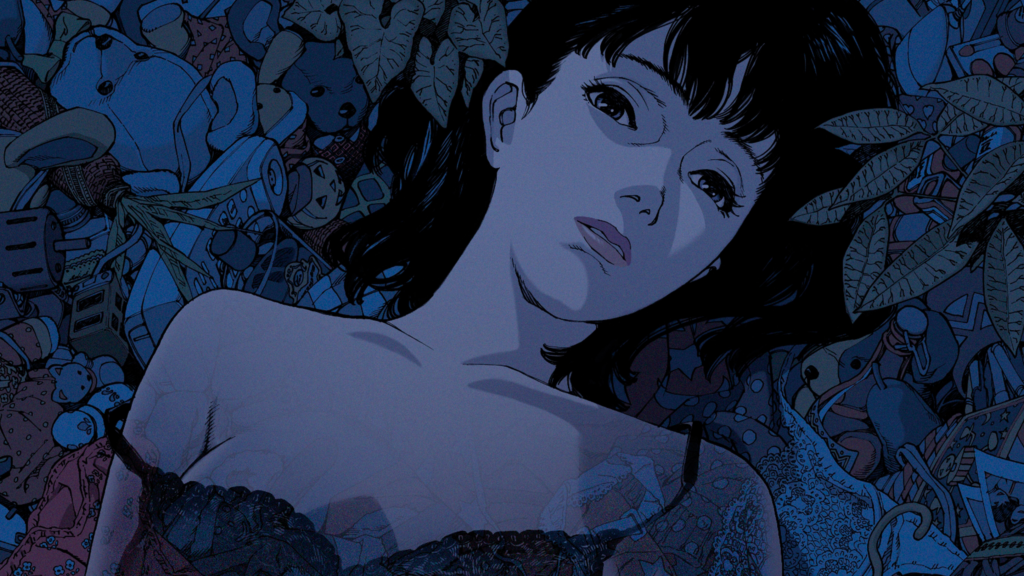
1. Perfect Blue (1997)
Psychological Mechanism: Identity disintegration and voyeurism. This Satoshi Kon film explores the mental collapse of Mima Kirigoe, an idol trying to become an actress while being stalked by a fan. The line between her real life, her job, and her hallucinations completely blurs. The narrative, which uses montage and rhythm to disorient, is a masterful study of paranoia and anxiety over fame.
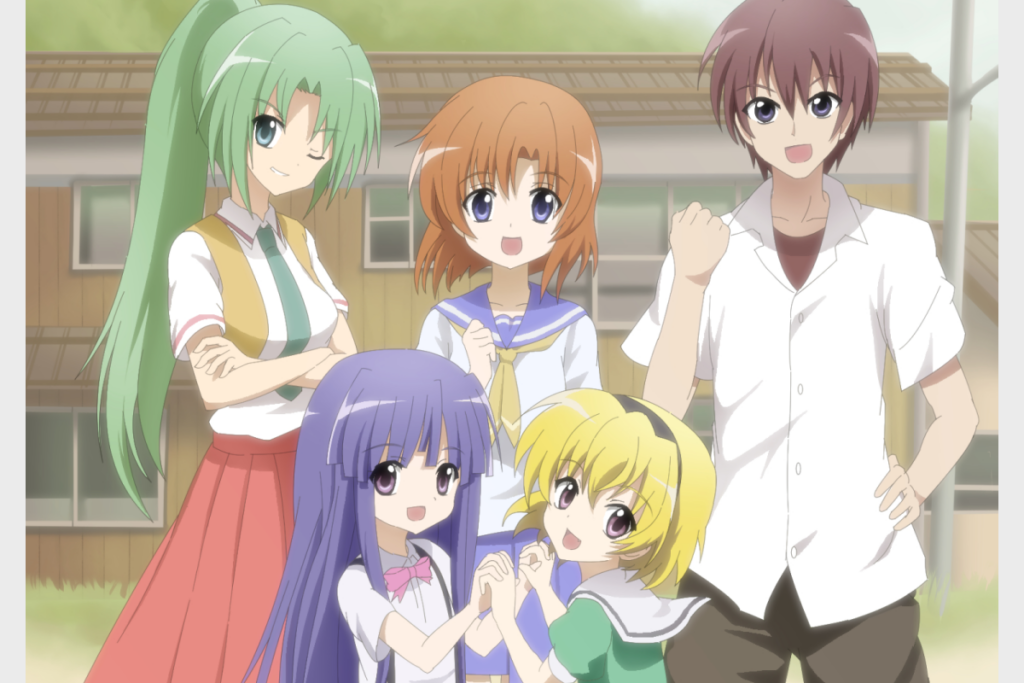
2. Higurashi no Naku Koro ni (When They Cry) (2006)
Psychological Mechanism: The cycle of distrust. Set in a quiet rural village, Higurashi uses repetitive narrative arcs where violence, madness, and murder restart. The tension comes from the characters’ paranoia, who must decide if the danger comes from a curse, a conspiracy, or their own mental illness, shattering trust in the environment.
2. Slow and Existential Horror
These anime focus on the development of philosophical or social threats that manifest slowly, consuming all hope.
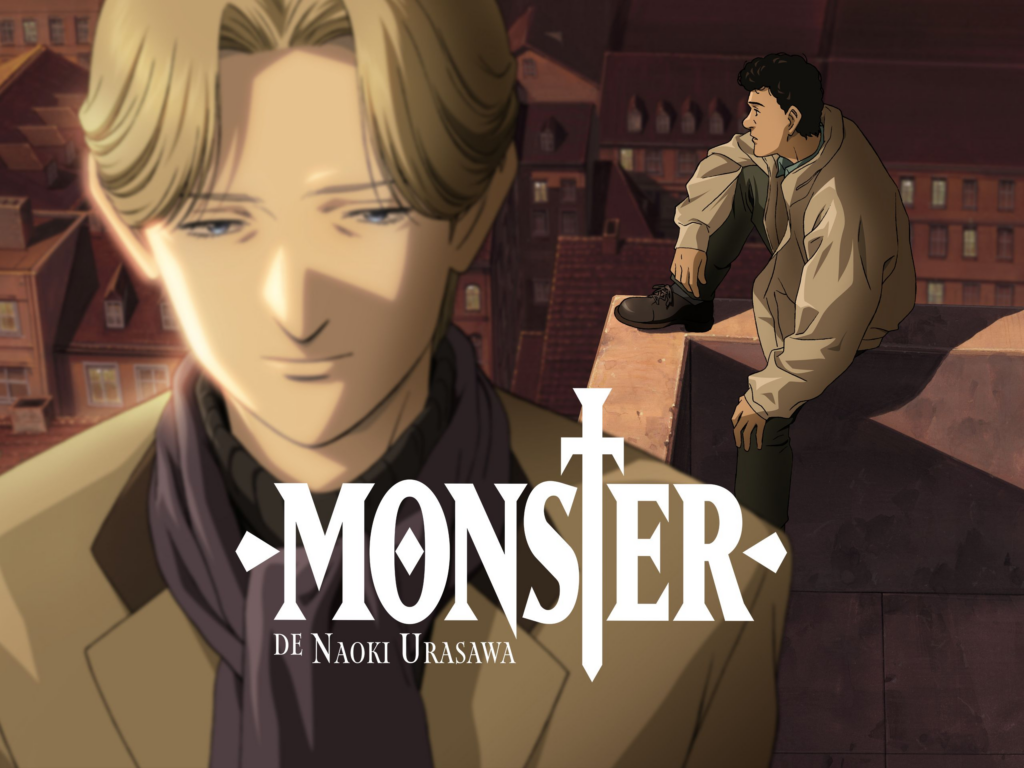
3. Monster (2004)
Psychological Mechanism: The nature of evil and nihilism. The series follows Dr. Kenzo Tenma, a neurosurgeon who saves the life of a boy who grows up to become the perfect sociopath, Johan Liebert. The threat here is not supernatural, but philosophical: can absolute evil exist and be undetectable? The fear is the slow recognition that Johan is a black hole that morally corrupts everyone he touches.
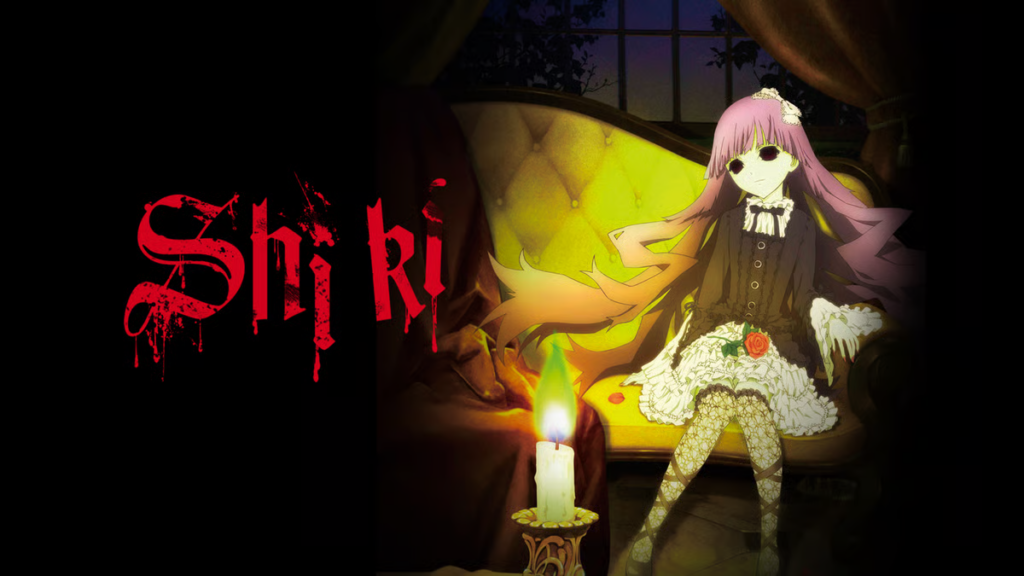
4. Shiki (2010)
Psychological Mechanism: The fear of social infection and moral warfare. A deadly and mysterious epidemic strikes an isolated rural village. As deaths mount, the story focuses less on the “vampires” and more on collective paranoia and the morally questionable response of the humans. The series is terrifying because it turns the villagers into the true monsters, exposing the fragility of social ethics.
3. The Curse and the Mystery
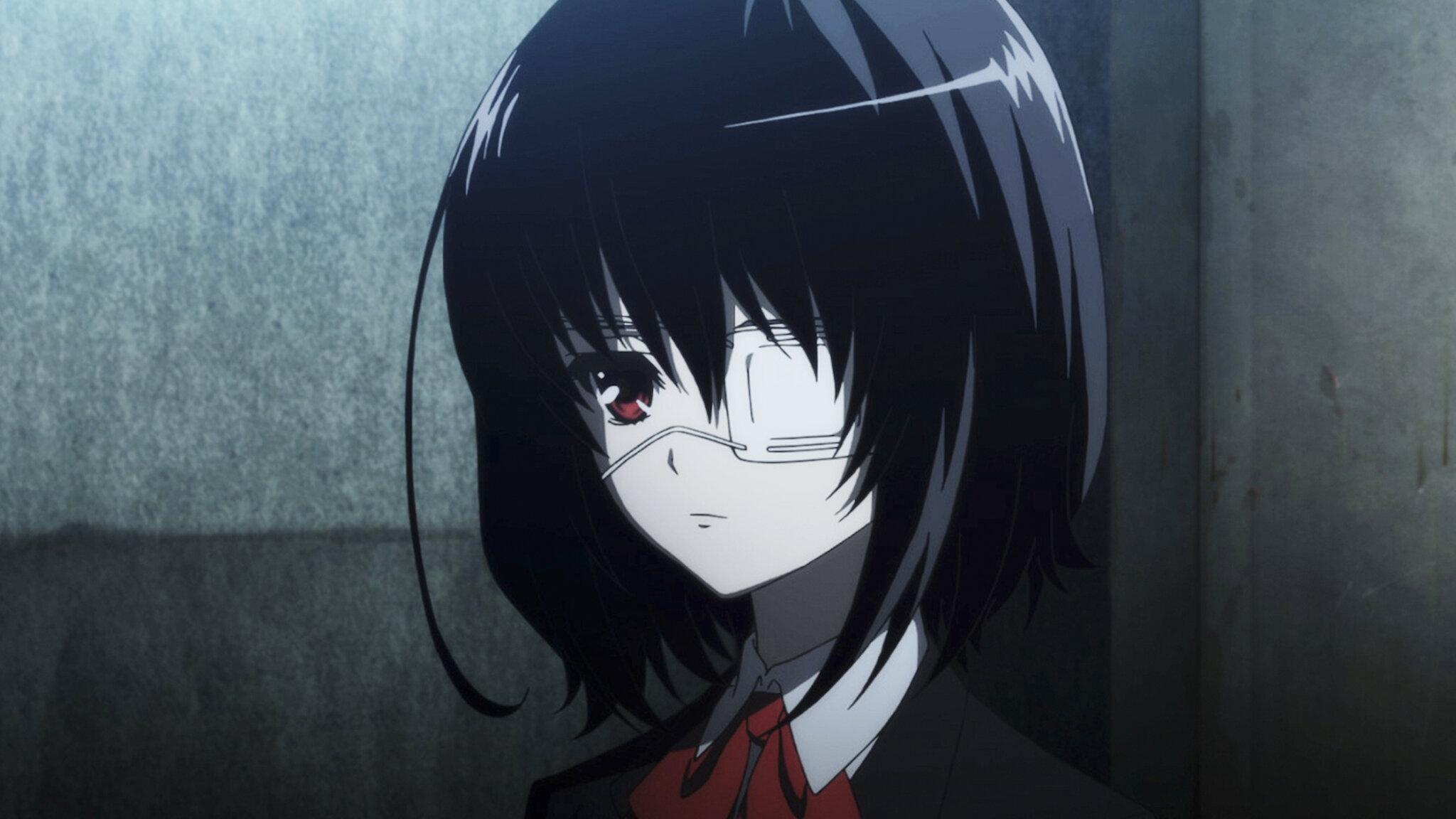
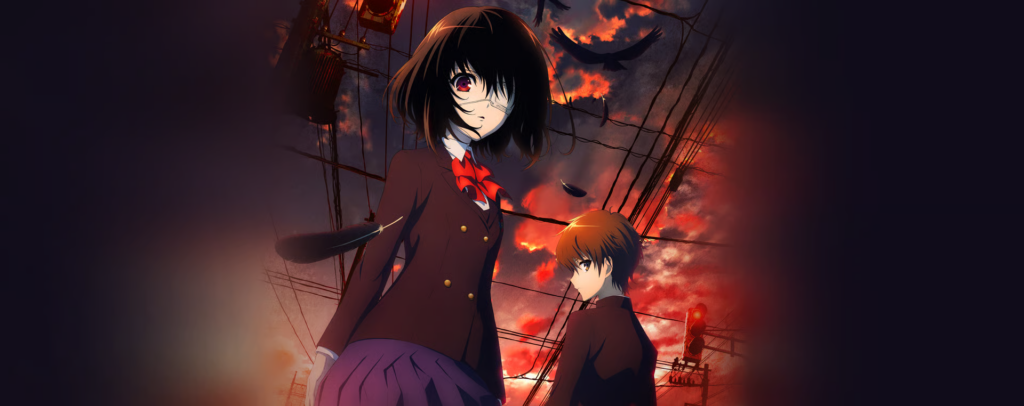
5. Another (2012)
Psychological Mechanism: Anxiety over the inevitable. In class 3-3 of Yomiyama School, a “curse” causes students and their relatives to die in brutal and random ways. The psychological terror comes from the constant anxiety of knowing that someone in the class is “the dead one,” but without knowing who. The need to isolate a classmate and the pressure to discover the truth generate an atmosphere of relentless fear and uncertainty.
Conclusion
The psychological horror of these anime does not lie in what they show, but in what they force the viewer’s mind to imagine. By manipulating identity, paranoia, and the concept of reality, these works achieve a level of terror that lingers long after the screen goes dark.








[…] Isekai (異世界, “another world”) genre is the undisputed king of modern anime. Its premise—a protagonist is transported or reincarnated into a fantasy world—offers limitless […]
[…] Anime was built on the foundation of hand-drawn 2D animation. When 3D (CGI) makes its appearance, the fan reaction is often one of deep rejection. The aversion stems from a fundamental problem: the inability of low-budget 3D to blend with the visual style and narrative timing of traditional animation. […]
[…] of the biggest headaches for romance fans in anime is the “open ending”: ambiguous confessions, vague promises, or, worse, a simple handshake. […]
[…] a wave of works has emerged that use lesbian romance as a vehicle to explore obsession, psychological horror, manipulation, and […]
[…] beings are completely free and responsible for their lives, has found a perfect visual medium in anime. Japanese animation, thanks to its narrative and visual freedom, is capable of exploring concepts […]
[…] we think of our favorite anime scenes, we usually remember the fluidity of the animation or the intensity of the colors. However, […]
[…] Bleach, and One Piece). However, it was a true Lost Golden Age that produced masterpieces of psychology, mature science fiction, and experimental […]