Shonen vs. Seinen Differences: What Really Defines Your Favorite Anime?
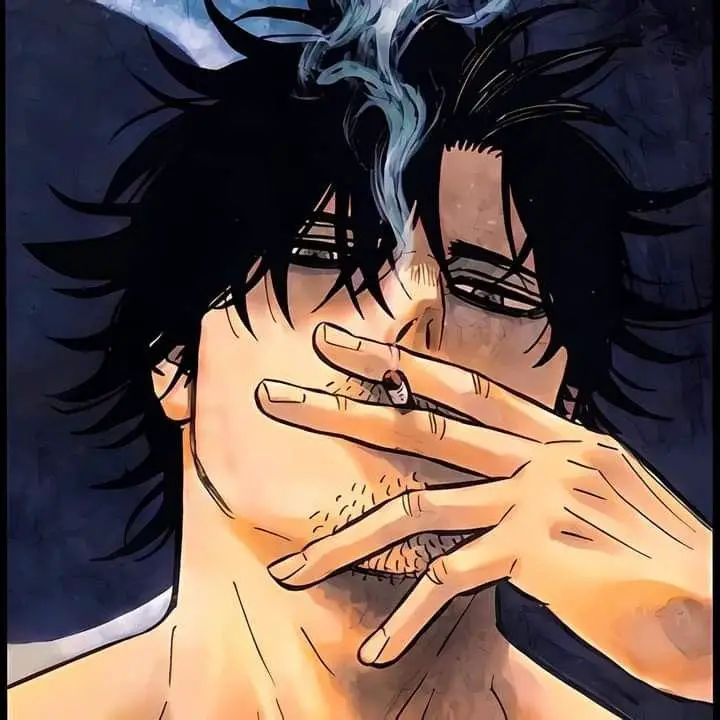
In the anime community, there is a constant and often incorrect debate. You will see fans arguing that Attack on Titan "must be Seinen" because it is violent, or that One-Punch Man is Shonen because it is about superheroes.
Both assumptions are technically incorrect.
To understand the manga and anime industry, you must understand one fundamental rule: Shonen and Seinen are not genres (like action or romance). They are demographics. They are strictly defined by the magazine in which the original manga was published, not by the story's content.
This guide explains the factual, technical, and thematic differences between Japan's two largest demographics.
1. Shonen (少年): The Boy

-
Literal Meaning: "Boy" or "Youth."
-
Target Audience: Teenage boys, approximately 12 to 18 years old.
-
Key Magazines: Weekly Shonen Jump (the most famous), Weekly Shonen Magazine, Shonen Sunday.
Main Characteristics
Shonen is the engine of the industry. Although aimed at teenagers, it is consumed by all ages. Stories usually focus on a young protagonist and follow traditional values.
-
Themes: Effort, Friendship, and Victory (Jump's motto). Personal growth and overcoming clear obstacles.
-
Structure: Often episodic or defined by arcs, designed for quick, exciting weekly consumption.
-
Classic Examples: One Piece, Naruto, Dragon Ball, My Hero Academia.
2. Seinen (青年): The Young Man

-
Literal Meaning: "Youth" or "Young Adult."
-
Target Audience: Adult men, generally 18 to 40 years old (or older).
-
Key Magazines: Young Jump, Ultra Jump, Afternoon, Morning.
Main Characteristics
Seinen has total freedom. Not having to protect a child audience, authors can explore any topic.
-
Themes: Moral ambiguity, politics, complex psychology, social satire, or mundane daily life. There is no need for a "happy ending" or a moral lesson.
-
Art: Usually more detailed, realistic, or experimental than the standardized Shonen style.
-
Classic Examples: Berserk, Vinland Saga, Monster, Vagabond.
The Technical Difference: "Furigana" (The Secret Identifier)
If you have a Japanese manga in your hand and don't know if it is Shonen or Seinen, there is a foolproof test that never fails: look at the text.
-
Shonen: Uses Furigana. Since the audience includes schoolchildren who are still learning to read, complex characters (Kanji) have small helper characters (Hiragana) next to them to indicate how they are pronounced.
-
Seinen: Does not use Furigana (or uses it very sparingly). The reader is assumed to be an adult with a full literacy level capable of reading complex Kanji without help.
This is the only "hard" rule. If it has Furigana, it is (almost always) Shonen or Shojo. If it doesn't, it is Seinen or Josei.
The Blurry Line: When Shonen Looks Like Seinen (and Vice Versa)
This is where confusion arises. A Shonen magazine can publish dark stories, and a Seinen magazine can publish cute comedies.
The "Dark Shonen"

Series like Attack on Titan (Shingeki no Kyojin), Chainsaw Man, Death Note, and Jujutsu Kaisen are technically Shonen.
-
Why? They were published in Shonen magazines (Bessatsu Shonen Magazine, Shonen Jump). Although they contain extreme violence and dark themes, they follow the teenage publication structure and often include furigana.
The "Cute Seinen" (Moe)

Series like K-On!, Kaguya-sama: Love is War, and Non Non Biyori are technically Seinen.
-
Why? They were published in Seinen magazines (Manga Time Kirara, Young Jump). The "Slice of Life" genre of cute girls (Moe) is very popular among adult Japanese men looking to relax ("iyashikei" or healing anime) after work. Therefore, K-On! shares a demographic with Berserk.
Quick Comparison Table
| Feature | Shonen | Seinen |
| Audience | Males 12-18 years old | Males 18-40+ years old |
| Kanji | With Furigana (easy to read) | Without Furigana (advanced) |
| Protagonist | Usually a teenager | Any age (child, adult, elderly) |
| Focus | Action, Adventure, Comedy | Psychology, Politics, Horror, Slice of Life |
| Atypical Example | Attack on Titan (Violent) | K-On! (Cute/Moe) |
Conclusion
The next time you debate whether an anime is Shonen or Seinen, remember: don't judge by the amount of blood on the screen. Judge by the magazine where it was born.
Shonen captures the energy and idealism of youth, while Seinen captures the complexity and, sometimes, the cynicism or relaxed simplicity of adulthood. Both offer masterpieces; you just need to know what you are looking for.
Sponsorizzato
Categorie
Leggi tutto
The Re-Rise of Sports Anime: How 'Blue Lock' and 'Haikyuu!!' Made Sports a Global Phenomenon For decades, sports anime (or "Spokon") was a fundamental but consistent genre in Japan, with classics like Slam Dunk and Captain Tsubasa. Globally, however, it was often considered a niche. Today, in 2025, that has irrevocably changed. The sports genre now competes in global popularity with the...
The “curse of video game adaptations” is a real phenomenon. For decades, most anime based on video games were, at best, 20‑minute commercials and, at worst, rushed adaptations that stripped away everything that made the original great. But that has changed. In the modern era of streaming, creators have had the freedom to take the lore and world of a video game and build something...
The Damsel in Distress (DiD) trope, where the primary narrative function of a female character is to be rescued by a male hero, has long been a pillar of fiction. However, anime and manga have been pioneers in deconstructing this concept, offering female characters who are not only strong but leaders, strategists, and active agents of their own destiny. This article celebrates the heroines who...
Any anime fan knows the terms “Shonen” (for young boys) and “Shojo” (for young girls). Many are familiar with “Seinen” (for adult men). But there’s a fourth crucial pillar that, in the West, is often overlooked or misunderstood: “Josei.” Josei is the demographic aimed at adult women. It is not Shojo. It is the medium that produces some of...
Anime, as a medium, has explored nearly every era and corner of the world. When a historical anime is done well, it not only entertains but also offers an incredible immersion into the sights, sounds, and social pressures of a different time and place. Beyond the Samurai: A Guide to 5 Amazing Historical Anime When people think of "historical anime," their minds almost automatically go to...