

Collector's Guide: How to Identify Fake Anime Figures (Bootlegs)
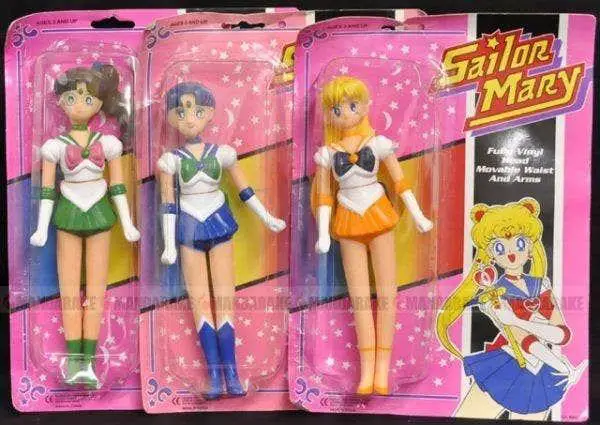
The anime figure market is saturated with counterfeits, technically known as "bootlegs." These illegal copies fail quality controls, use inferior materials (toxic or unstable PVC), and lack resale value. Identifying a counterfeit requires a technical inspection of four key factors: packaging, licensing seals, material quality, and market price.

1. The Authenticity Seal (Holograms)
The most reliable indicator of an original figure is the license seal. Japanese companies use holographic or specific stickers to certify their products.
-
Toei Animation: Uses a sticker with a cat silhouette (Pero). The sticker color (gold or silver) and text indicate the distribution region (Japan or International), but both are original. The absence of this sticker on Dragon Ball, One Piece, or Sailor Moon figures confirms a bootleg.
-
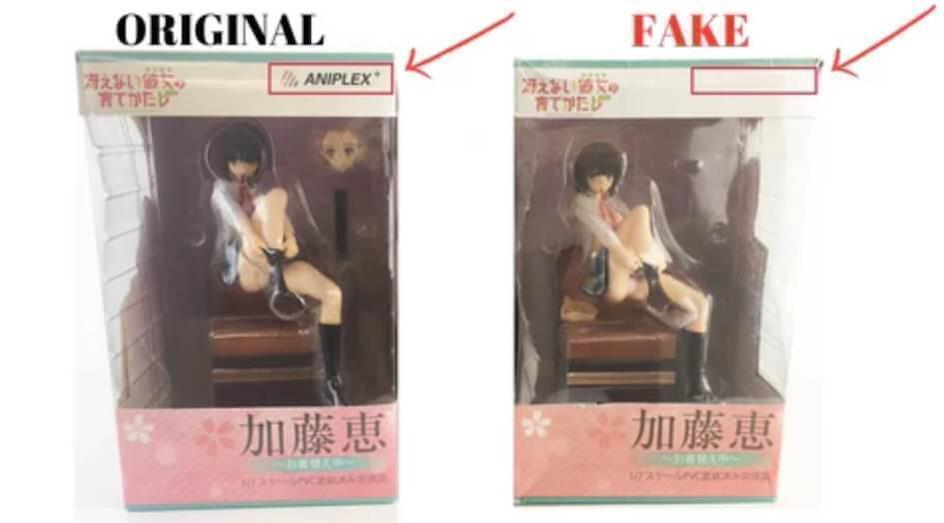
Specific Manufacturers: Companies like Aniplex, Pierrot, or Kadokawa have their own distinctive seals.
-
Exceptions: Low-cost Prize Figures sometimes do not have a seal on the box, but they do have printed or engraved lot codes.

2. Packaging Analysis (Box)
Counterfeiters scan and reprint original boxes, resulting in resolution and color loss.
-
Print Quality: Original boxes have sharp images and saturated colors. Copies present blurry, dark images, or visual "noise."
-
Logos: Copies often remove manufacturer logos (Good Smile Company, Bandai, Kotobukiya) to avoid direct lawsuits, keeping only the character's name.
-
Typography: Grammatical errors in descriptions or the use of Chinese typography instead of Japanese (different kanji) are immediate red flags.
-
Physical Condition: Fake figures often arrive in crushed boxes or without internal protective blisters (molded plastic bubbles).

3. Sculpt and Paint Quality
If you have the figure out of the box, visual inspection reveals manufacturing defects.
-
Skin Finish: High-quality PVC is matte. Counterfeits use cheap plastics that reflect light, giving the character's skin a shiny, greasy, or waxy appearance.
-
Paint Application: Original figures use precise paint masks. Bootlegs present smudges, lines that bleed over edges, asymmetrical eyes, or nonexistent color gradients.
-
Joints and Seams: In articulated figures (Figma, S.H. Figuarts), copy joints are weak, break easily, or have colors that do not match the rest of the body.
-
Stability: Pirate figures often have center-of-gravity issues and do not fit correctly onto their bases or stands.
4. Price and Distribution Channel
The purchase context is a determining factor.
-
The Price Rule: If a figure valued at $150 USD is sold for $30 USD, it is fake. There are no 80% discounts on new scale figures.
-
Shipping Origin: Direct shipments from China (via eBay, AliExpress, or Wish) without official store certification have a probability greater than 90% of being counterfeits. Japan is the main source of original stock.
Conclusion
The presence of official seals, the matte quality of the PVC, and paint precision differentiate a licensed product from a bootleg. To guarantee authenticity, purchase products only through authorized distributors such as AmiAmi, HobbyLink Japan, or local stores with a verified supply chain. Avoid offers that do not align with current market value.
Patrocinado
Categorias
Leia mais
A Beginner's Guide to Anime Terms: 15 Words Every New Fan Should Know When you start watching anime, you will encounter words and phrases not commonly used in English. Some are Japanese terms used for their specificity, and others are words created by the international fan community. This terminology may seem confusing at first, but it is easy to learn. This guide defines 15 of the most...

The "window seat and last row" trope is a near-universal visual convention in the school anime genre (slice of life and shonen). The protagonist, often an introverted, melancholic character or the "chosen one," is invariably positioned in the far right corner of the classroom. This placement is not random; it is a deliberate choice dictated by visual composition, narrative necessity, and...

The Re-Rise of Sports Anime: How 'Blue Lock' and 'Haikyuu!!' Made Sports a Global Phenomenon For decades, sports anime (or "Spokon") was a fundamental but consistent genre in Japan, with classics like Slam Dunk and Captain Tsubasa. Globally, however, it was often considered a niche. Today, in 2025, that has irrevocably changed. The sports genre now competes in global popularity with the...

Existentialism, the school of thought that postulates that existence precedes essence and that human beings are completely free and responsible for their lives, has found a perfect visual medium in anime. Japanese animation, thanks to its narrative and visual freedom, is capable of exploring concepts from the philosophy of Sartre, Camus, and Heidegger with unparalleled rawness and style. Anime...

'Zenless Zone Zero' Review (2025): Is This the Next Big "Anime-Gacha" Hit? When Zenless Zone Zero (ZZZ) launched in July 2024, the question on everyone's mind was whether HoYoverse (the creators of Genshin Impact) could strike gold a third time. Expectations were incredibly high. Now, almost a year and a half later in November 2025, we can look back and answer that question. ZZZ is not...