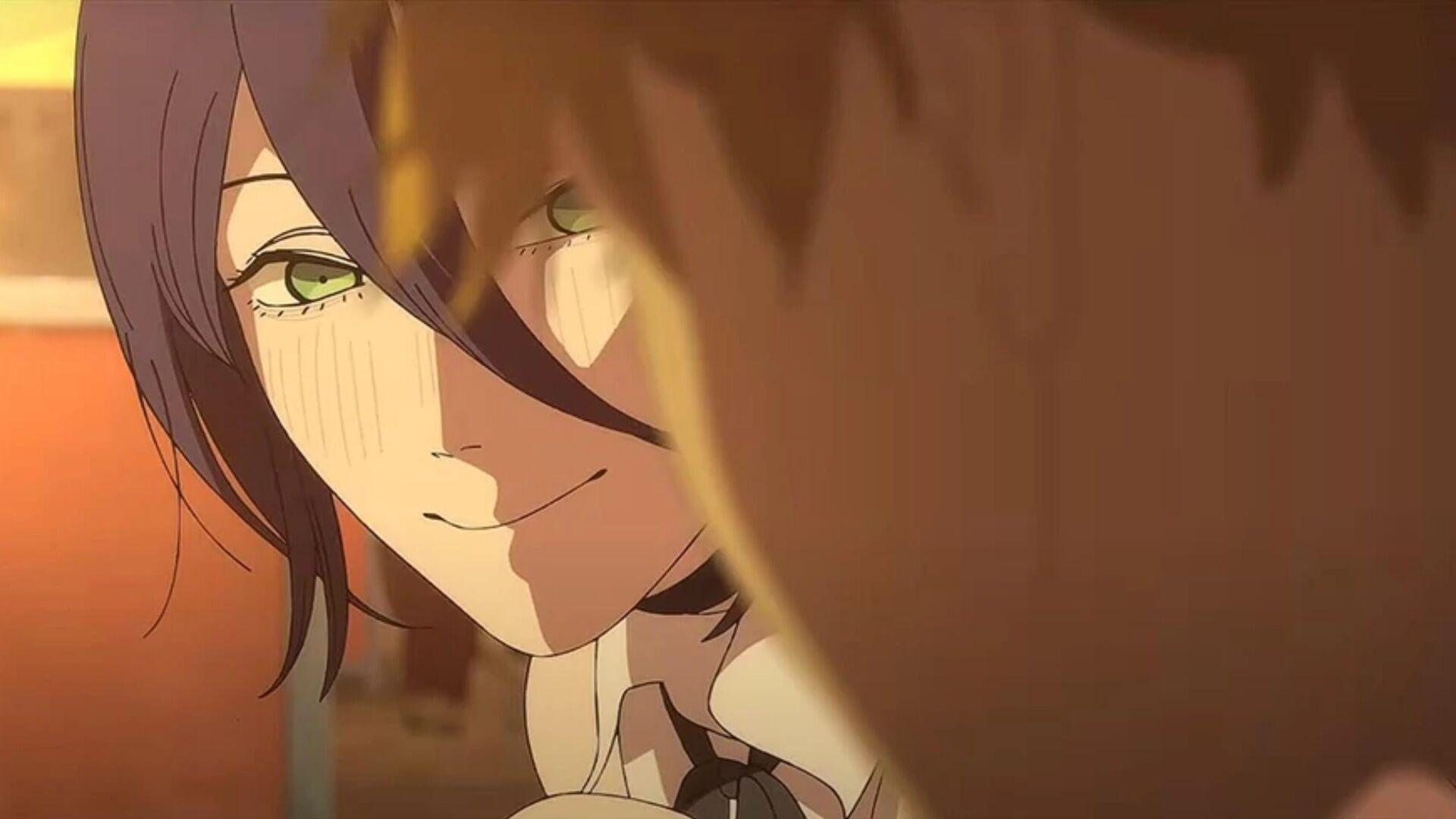


School Anime Tropes: Why Do Protagonists Always Sit by the Window?
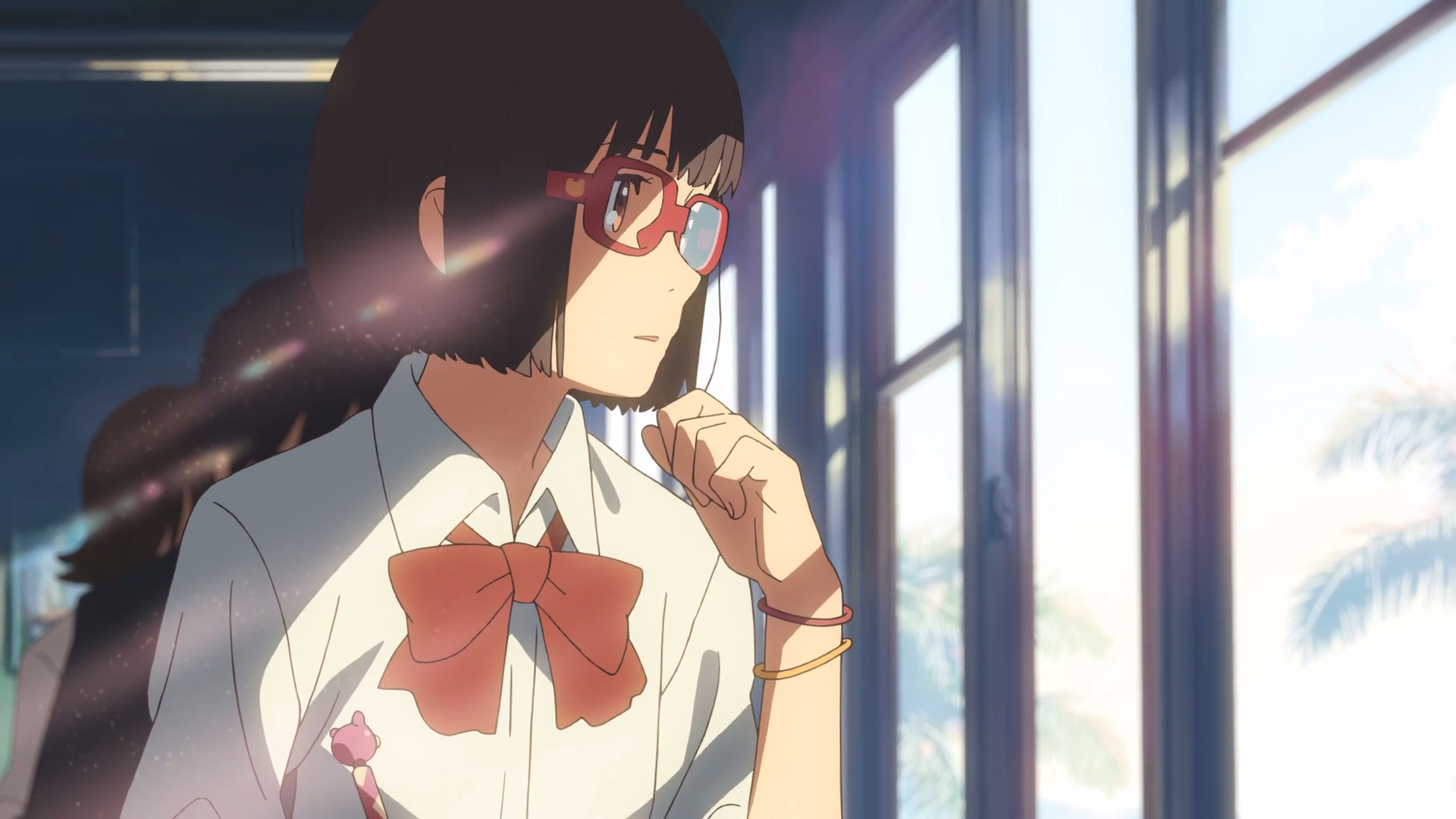
The "window seat and last row" trope is a near-universal visual convention in the school anime genre (slice of life and shonen). The protagonist, often an introverted, melancholic character or the "chosen one," is invariably positioned in the far right corner of the classroom. This placement is not random; it is a deliberate choice dictated by visual composition, narrative necessity, and production efficiency.
1. Narrative Function: Controlled Isolation
The protagonist's physical location in the window seat carries an immediate meaning that the viewer assimilates without dialogue.
The Observer and Distancing
The last row seat positions the protagonist as someone who is apart from the central classroom action. This communicates social or psychological distancing. The character is, in essence, an observer, allowing the viewer to see school life through their unique and often critical gaze.

Connection to the Outside World
Looking through the window is the fastest visual shorthand for introspection, boredom, or longing. The window acts as a portal, symbolizing the outside world, adventure, personal problems, or a future beyond the monotony of school. It allows for smooth narrative transitions from reality to the character's mind.

2. Visual and Cinematic Function: Composition and Light
From a visual composition perspective, the window seat is the most advantageous position for a main character.
The Rule of Thirds
The rectangular window frame is ideal for applying the rule of thirds, a compositional technique that makes shots visually more appealing. The character can be framed against the exterior background (sky, trees) using the window frame, maintaining dramatic focus on the protagonist's facial expression.
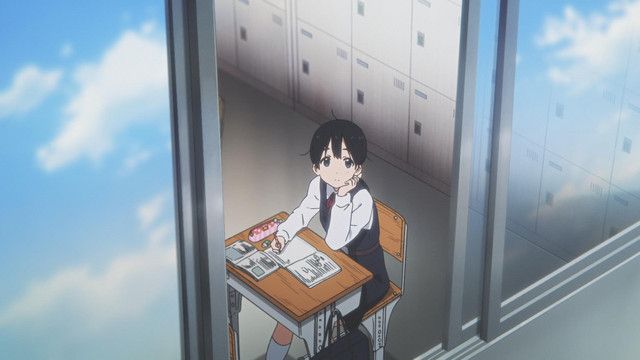
Dramatic Lighting and Silhouettes
The strongest light source in a typical classroom is the window. This allows the animation director to play with light and shadow:
-
Silhouettes: If the light is very bright, the character can be rendered as a silhouette against the background, emphasizing mystery or melancholy without needing to animate complex facial details.
-
Depth: Natural lighting helps differentiate the character from the classroom background, creating depth of field.

3. Technical Reason: Animation Efficiency
The most pragmatic justification for the trope is tied to efficiency in the animation production process.
Resource Saving on Static Backgrounds
Anime relies on the reuse of static and detailed background shots to save time. The protagonist sitting by the window:
-
Reduces Traffic: Minimizes interaction with other students.
-
Keeps Background Fixed: The classroom background behind the protagonist needs to be drawn less frequently than the rest of the room, as the character is always covering it.
-
Facilitates Focus: The depth of field blur on the window allows the art team to concentrate detail only on the foreground.
Conclusion
The protagonist in the window seat is a design convention that has solidified into a trope. It does not necessarily symbolize marginalization but is an efficient solution that instantly communicates the character's "observer" status, allows for high-quality lighting and composition, and optimizes the animation production workflow.
Patrocinado
Categorias
Leia Mais
How to Build Your Perfect "Plan to Watch" List: A Beginner's Guide to MyAnimeList and AniList You've started watching anime. You loved Demon Slayer and Spy x Family. Your friends tell you that you have to watch Attack on Titan, Jujutsu Kaisen, and a classic called Cowboy Bebop. You look online and see articles about Sanda and Kagurabachi. Suddenly, you have 20 "must-watch" series and...
The Piracy Problem: Why Is It Still So Hard to Watch Anime Legally in 2025? It is late 2025. The anime industry is a multi-billion dollar global phenomenon. More streaming services exist than ever before: Crunchyroll (which absorbed Funimation), Netflix, HIDIVE, Disney+, and Amazon Prime Video are all competing for a piece of the market. And yet, a problem persists and, in some ways, has...

Anime limited to an 11 to 13-episode range often benefit from a tighter narrative pace, eliminating filler and concentrating the drama. This makes them ideal for a weekend binge. Here are five series that offer a complete and high-impact experience in a short format. 1. Psychological Thrillers and Dense Narratives These titles use their short format to maximize dramatic twists and...

The Re-Rise of Sports Anime: How 'Blue Lock' and 'Haikyuu!!' Made Sports a Global Phenomenon For decades, sports anime (or "Spokon") was a fundamental but consistent genre in Japan, with classics like Slam Dunk and Captain Tsubasa. Globally, however, it was often considered a niche. Today, in 2025, that has irrevocably changed. The sports genre now competes in global popularity with the...
Anime was built on the foundation of hand-drawn 2D animation. When 3D (CGI) makes its appearance, the fan reaction is often one of deep rejection. The aversion stems from a fundamental problem: the inability of low-budget 3D to blend with the visual style and narrative timing of traditional animation. Below, we analyze the root of the rejection and the rare exceptions that have proven the...