


CGI vs. 2D Animation: Why Fans Hate 3D and When It Has Been Used Well
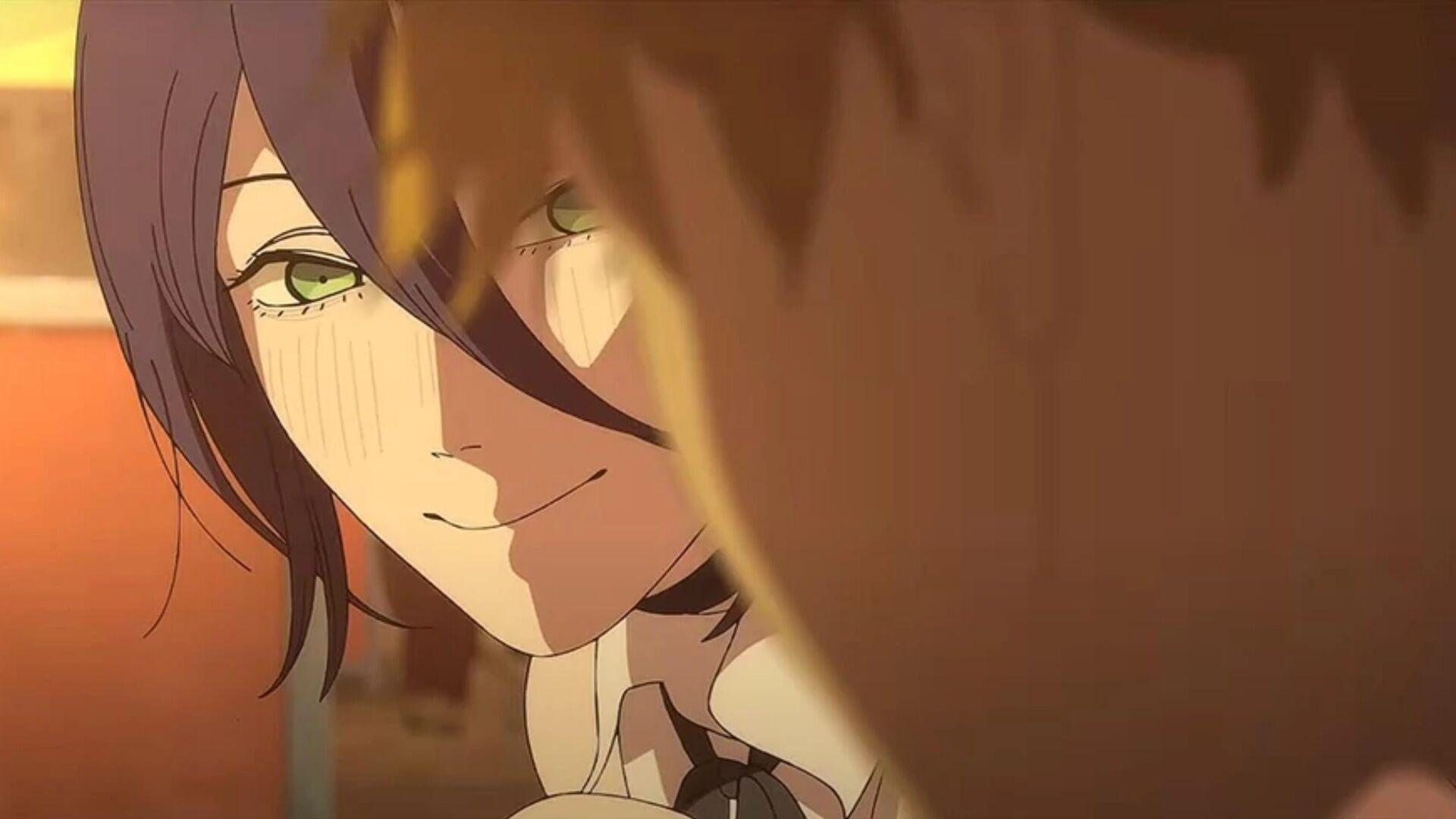
Anime was built on the foundation of hand-drawn 2D animation. When 3D (CGI) makes its appearance, the fan reaction is often one of deep rejection. The aversion stems from a fundamental problem: the inability of low-budget 3D to blend with the visual style and narrative timing of traditional animation.
Below, we analyze the root of the rejection and the rare exceptions that have proven the potential of 3D.
I. Why Does CGI in Anime Generate Rejection?
The aversion is not towards 3D itself, but towards poorly implemented CGI that breaks visual immersion.
Main Reasons for Rejection (List):
-
The "Uncanny Valley": 3D characters that try too closely to imitate the 2D style, but fail, often look stiff, expressionless, and unnatural next to the drawn characters.
-
Lack of Weight and Timing: Computer-generated 3D often lacks the "exaggeration" and artistic timing that the 2D animator uses to give weight to hits and fluidity to movement. CGI often looks "light" or has a framerate that is too smooth, clashing with the 2D's 24 fps (or less).
-
Low-Budget CGI (Crowds and Mechas): The most common way to use 3D is to save money on repetitive elements (armies, crowds, vehicles). When these elements are low quality, the contrast with the 2D foreground is very evident and distracting.
-
Perception of Laziness: Fans often perceive the use of CGI for main characters as cutting corners rather than a creative choice.

II. The Rare Exceptions: When CGI Succeeds
3D works when it is bold, when it is masterfully integrated, or when it is used for stylistic purposes that 2D cannot easily replicate.
1. Land of the Lustrous (Houseki no Kuni)
-
Key to Success: Intentional Style and Materiality.
-
Analysis: This series is the gold standard example. The entire anime is made in 3D. The animation uses CGI not to imitate 2D, but to emphasize the nature of the gem characters: their brilliant reflections and fragility. By not having to blend with 2D, the style is completely coherent and beautiful.

2. Attack on Titan (The Omni-Directional Mobility Gear)
-
Key to Success: Integration in Fast Motion.
-
Analysis: Attack on Titan used CGI to animate the Omni-Directional Mobility (ODM) Gear and the city backgrounds. 3D was crucial for maintaining the consistency of physics and the sense of dizzying speed in complex swings, allowing the 2D characters to focus on emotional performance in the foreground.

3. Dorohedoro
-
Key to Success: Cel-Shading Style and Gritty Tone.
-
Analysis: This dark fantasy series opted for 3D with a very aggressive and textured cel-shading. CGI was used to maintain the dirty, detailed style of the manga, giving the characters a unique physicality that felt perfectly in tune with the series' hostile world.

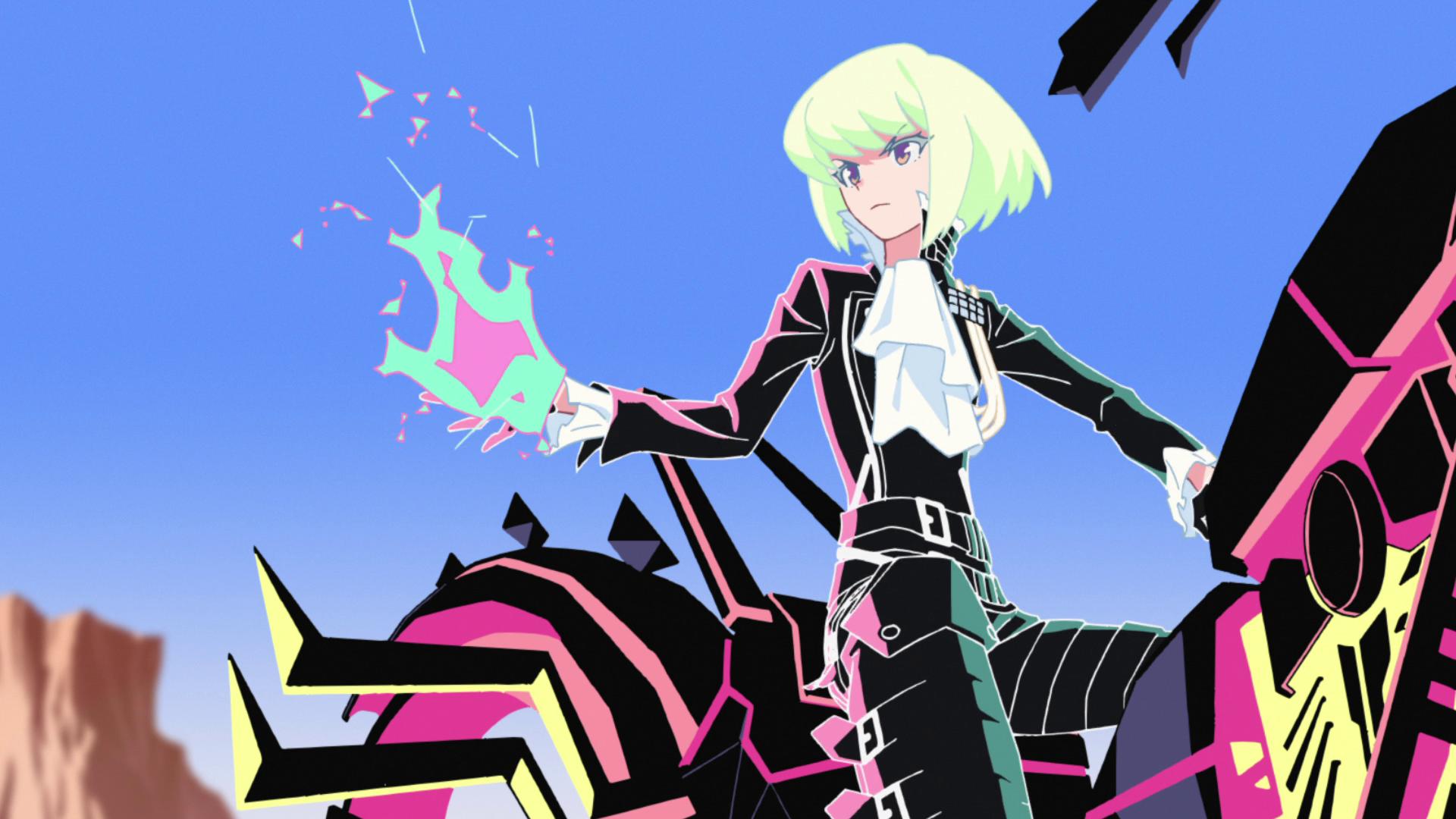
4. Studio Trigger (Promare, Gridman)
-
Key to Success: Stylistic Use for Rigid Shapes.
-
Analysis: Studio Trigger uses 3D for vehicles, mechas, and fire or ice special effects. They do this with flat shading and bright colors that blend seamlessly with the studio's 2D pop-art aesthetic, utilizing 3D for its ability to maintain scale and rigid shape.
III. Conclusion
The problem with CGI in anime has never been the technology, but the intent. When 3D is used as a cheap solution for crowd animation, it breaks immersion. When it is used with artistic intention, as in Land of the Lustrous or Dorohedoro, it becomes a powerful tool that opens new aesthetic possibilities. The key is commitment to visual consistency.
Sponsored
Categories
Read More
The Gacha genre (named after the Japanese Gashapon vending machines) and anime have a perfect symbiotic relationship. For studios, it's a gold mine that capitalizes on brand loyalty; for fans, it's a way to follow the story of their favorite characters, collect alternate versions, and participate in the series' universe. Here, we highlight five Gacha games that have not only been commercial...

Loved 'Spy x Family'? 5 Other "Found Family" Anime You Need to Watch Spy x Family is a global success for many reasons: it has action, comedy, and memorable characters. But the true center of the series is the "found family" theme. The plot follows Loid, Yor, and Anya—three individuals unrelated by blood (a spy, an assassin, and a telepath) who pretend to be a family for their own...

The Piracy Problem: Why Is It Still So Hard to Watch Anime Legally in 2025? It is late 2025. The anime industry is a multi-billion dollar global phenomenon. More streaming services exist than ever before: Crunchyroll (which absorbed Funimation), Netflix, HIDIVE, Disney+, and Amazon Prime Video are all competing for a piece of the market. And yet, a problem persists and, in some ways, has...

Watching anime on a poorly calibrated TV or monitor can ruin the artistic intent of the animation studio. Standard factory settings often introduce excessive sharpness, overly cool colors, and, worst of all, motion smoothing that destroys the unique style of Japanese animation. This guide focuses on achieving visual fidelity (accurate colors) and motion fidelity (preserving the cinematic 24 fps...
What is "Miku Day"? Celebrating the Music and Legacy of the World's Favorite Virtual Singer Every March 9th, the global anime and music community celebrates "Miku Day." It is a day dedicated to celebrating the music, art, and cultural impact of Hatsune Miku. Unlike an official anniversary or holiday, Miku Day is a celebration created and maintained by fans. Its origin is a simple...