


The 7 Saddest Anime Deaths That Generated a Deep Narrative Impact
Death in anime is not just a dramatic device; it is a narrative catalyst. The most resonant deaths are those that force the protagonist's evolution, set the tone of the series, or resolve a complex emotional conflict. These seven moments are universally recognized for their dramatic value and the intensity of the emotional devastation they inflicted upon the audience.
1. Deaths That Redefined the Plot (The Catalyst)
These deaths act as the primary driving force for the protagonist's revenge or change in values.
1. Carla Yeager (Attack on Titan)
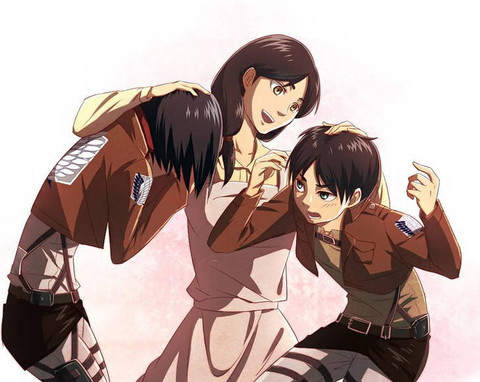
The death of Carla, Eren Yeager’s mother, is the foundational turning point of the series. It was not a heroic death, but a brutal and defenseless execution. Its impact stems from instantly establishing the world's cruelty and justifying Eren's absolute rage, driving the entire main plot.
2. Portgas D. Ace (One Piece)
Ace’s death represents the confirmation of the New World’s unforgiving nature. Despite the massive efforts of his crew and allies to rescue him, Ace dies protecting his brother, Luffy. This loss is Luffy's deepest trauma and a demonstration that sheer will does not guarantee victory.

2. The Mentor's Sacrifice (The Necessary Goodbye)
The death of the guide is a trope symbolizing the end of the protagonist’s childhood and the transition to maturity.
3. Jiraiya (Naruto Shippuden)
Jiraiya dies fighting alone against Pain, sacrificing himself to obtain critical information. His ending is a climax of character development: he says farewell with a coded message, confirming Naruto's path of growth and his legacy as the "Child of Prophecy." The sadness lies in the final abandonment of his loneliness.

4. Maes Hughes (Fullmetal Alchemist: Brotherhood)
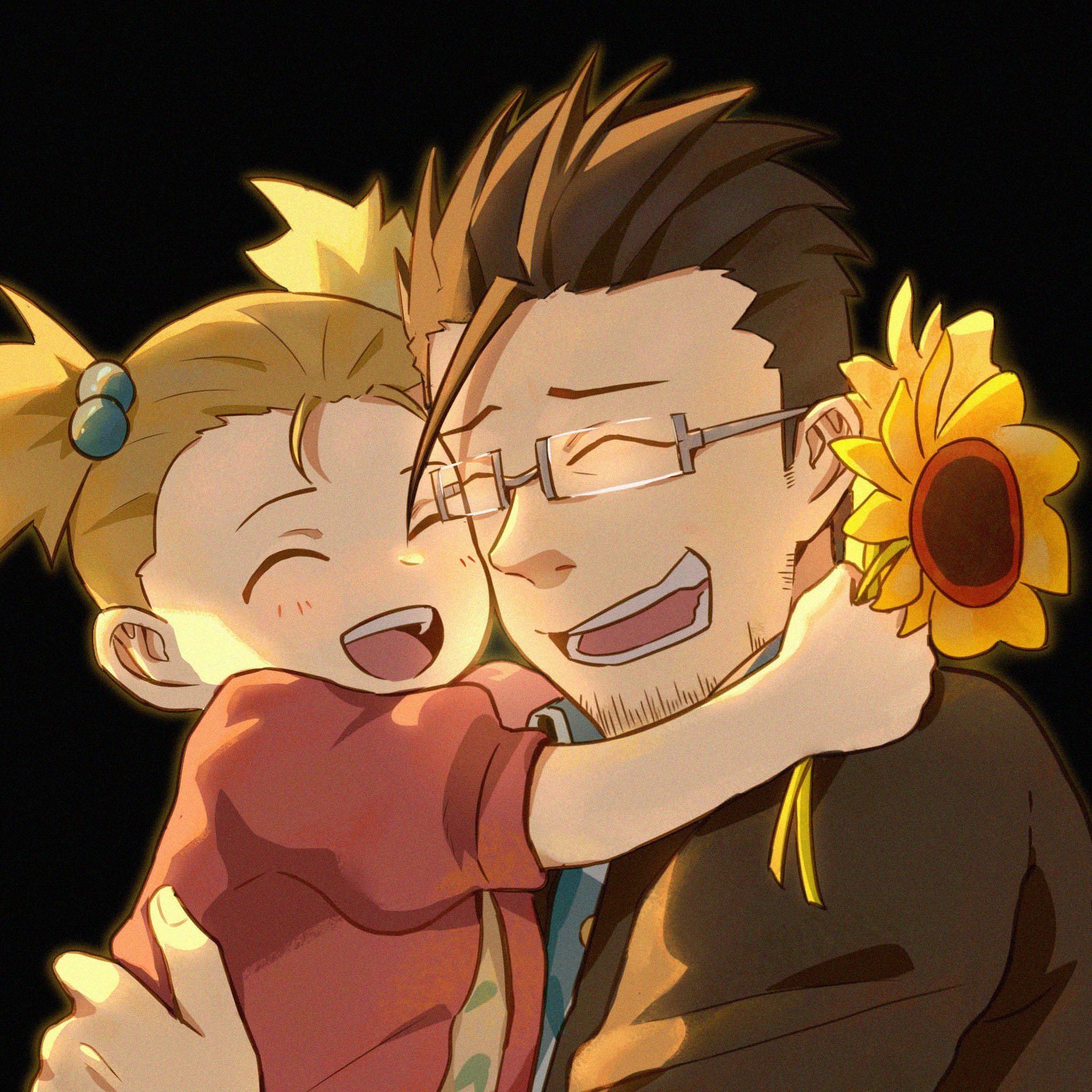
Hughes' death is impactful due to its sudden nature and focus on domestic tragedy. Hughes was a secondary character with no combat powers, whose greatest motivation was his family. His assassination by Envy (disguised) shatters the series' innocence and establishes the seriousness of the underlying political conflict.
3. The Inevitable Tragedy and Legacy (The Dramatic Climax)
These moments are sad because the audience knows or anticipates the ending, magnifying the sense of loss.
5. Kaori Miyazono (Your Lie in April)
Kaori's death is the predictable and tragic end of the narrative arc. Her struggle against illness and her determination to play the violin until the end, freeing Kousei from his trauma, turn her passing into a sacrificial act of love. The sadness is amplified by the letter revealing her unconfessed feelings.

6. Meruem and Komugi (Hunter x Hunter)
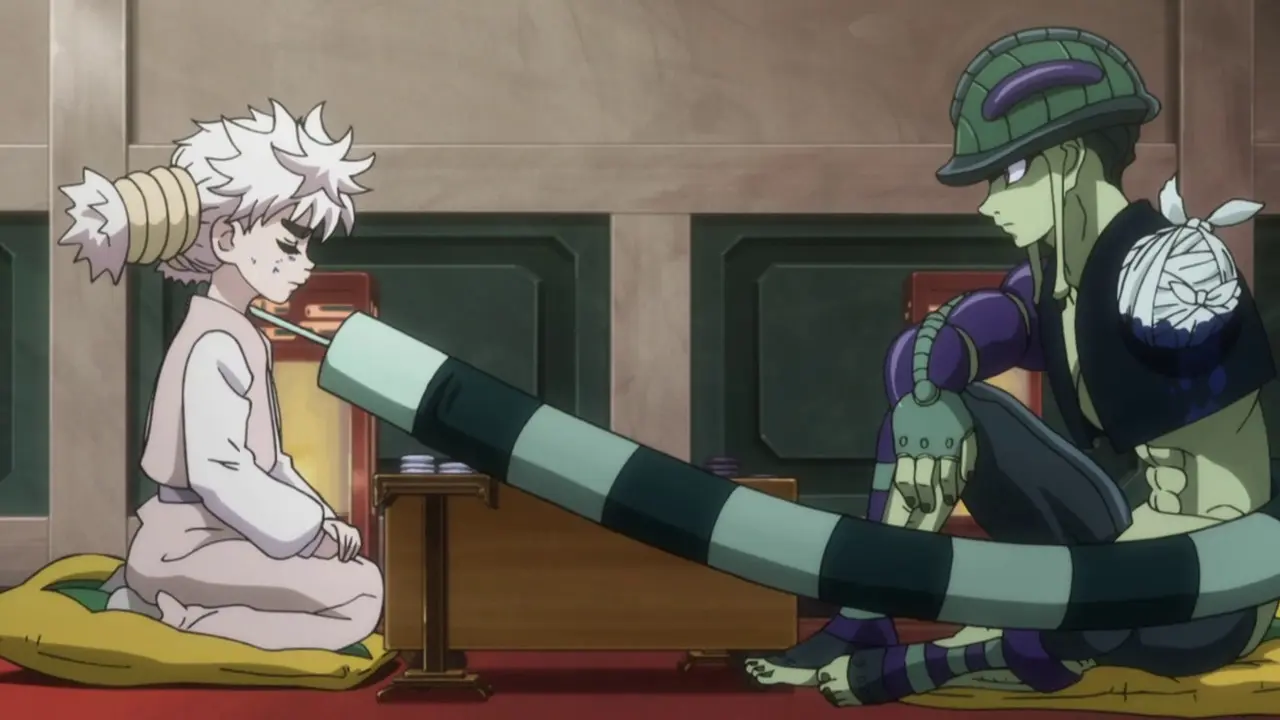
The death of Meruem, the Chimera Ant King, and Komugi is a complex and emotional conclusion. They die together from radiation poisoning, playing Gungi. The sadness lies not in the loss of life, but in the culmination of their mutual growth: a monster finds his humanity, and a lonely girl finds her purpose.
4. The Shock Factor (Genre Subversion)
7. Mami Tomoe (Puella Magi Madoka Magica)
Mami's death is sad because of its brutal impact and its subversion of the magical girl genre. Her sudden, unexpected execution at the hands of a witch shattered audience expectations, proving that the series' universe is ruthless and that danger is real and instantaneous.
![Mami tomoe [🍮]](https://i.pinimg.com/736x/29/71/de/2971de35fd45288c5eba77ff31469194.jpg)
Conclusion
These deaths are structurally necessary. They provide the emotional weight and narrative credibility that allow the protagonists to reach their greatest goals. The resonance of these moments confirms that pain and loss are essential elements for the development of complex plots in anime.
Sponsored
Categories
Read More
The key to introducing someone unfamiliar with anime (a "non-initiate") is to avoid clichés and prioritize universal storytelling. The ideal series function more like a high-quality TV show or a cinematic film than a "Japanese cartoon." Here are five proven recommendations that serve as "Gateway Anime" to the genre, organized by the type of audience they suit best. 1. For Thriller and...
The success of an anime in Japan is historically measured by Blu-ray/DVD sales and broadcast ratings. Global success, however, is measured by international licensing, streaming sales, and long-term cultural influence. The seven series below are primary examples of how low domestic reception was offset by an explosion of popularity in the West. 1. The Adult Swim Phenomenon (The Ratings...

What is a "Visual Novel"? A Guide to the Games That Inspire Your Favorite Anime (Like 'Steins;Gate' and 'Clannad') Have you ever watched a romance anime where the protagonist seems to have incredible chemistry with a side character, only to suddenly "forget" them and focus on someone else? Or have you watched a sci-fi series like Steins;Gate and wondered why fans talk about a "True...

The term Iyashikei (癒し系, which translates to "healing type" or "curative") defines an anime and manga genre focused on provoking a sense of peace, comfort, and emotional healing in the viewer. These series are the perfect antidote to the stress of work or modern life, offering an escape to beautiful, slow-paced, and benign worlds. Iyashikei is characterized by: Absence of Conflict: Plots lack...
Loved 'Spy x Family'? 5 Other "Found Family" Anime You Need to Watch Spy x Family is a global success for many reasons: it has action, comedy, and memorable characters. But the true center of the series is the "found family" theme. The plot follows Loid, Yor, and Anya—three individuals unrelated by blood (a spy, an assassin, and a telepath) who pretend to be a family for their own...