Villains Who Were Actually Right: Analysis of Motivations in Anime
In anime, the concept of a villain often transcends pure evil. The most effective villains are those whose motivations expose systemic, moral, or ethical flaws in the fictional world that the protagonist tries to protect. These individuals operate under an undeniable logic, even if their methods are genocidal, absolutist, or unacceptably extreme. The conflict arises from the difference between having a correct diagnosis and applying the wrong cure.
1. Critique of Hypocrisy and the Tyranny of the System
These villains accurately point out the deficiencies and corruption of the established authority, forcing the protagonist to confront the uncomfortable truth.
Stain, the Hero Killer (My Hero Academia)
Stain's motivation was a direct critique of the commercialization of professional heroes. His argument is that most heroes act for fame or money, not for the true spirit of altruism, which degrades the purpose of justice. His violent purge sought to force a return to the heroes' original ideals—a point that society and other heroes like Deku admit is legitimate.

Makishima Shogo (Psycho-Pass)
Makishima challenged the passive tyranny of the Sibyl System, a surveillance network that eliminates free will by predicting and punishing crimes before they occur. His premise was that a society that sacrifices individual freedom in the name of absolute safety ceases to be human. Makishima proved the system's illegitimacy by demonstrating that people who cannot be measured by it (asymptomatic individuals) hold the fundamental truth about free will.

2. Imposition of Absolute Peace and Global Order
These antagonists sought a greater good, justifying the elimination of millions to save billions from constant chaos.
Light Yagami / Kira (Death Note)
Light's goal was to create a world without crime or evil, governed by the fear of Kira. His initial argument was logical: the elimination of criminals reduces global suffering and creates a more peaceful society. Light's reasoning was correct in principle (reducing evil); his failure was succumbing to megalomania, turning himself into a dictator and a murderer.

Nagato / Pain (Naruto Shippuden)
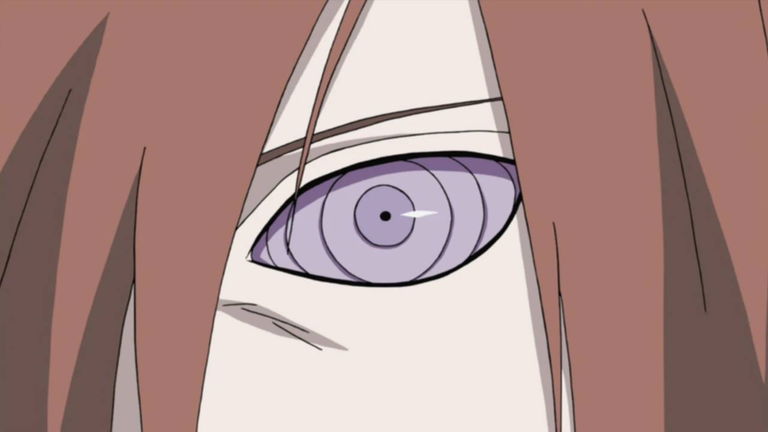
Nagato sought world peace through the concept of "Mutual Pain." His logic was that humanity will never stop fighting unless it experiences massive, shared pain, which would force the understanding of others' suffering and create a temporary peace based on the fear of repetition. His analysis of the endless cycle of hatred among the ninja villages was factual.
3. Existential Protection and Survival
These villains act out of a survival imperative dictated by history, with their actions being a direct response to external threats or the very nature of existence.
Eren Yeager (Attack on Titan)
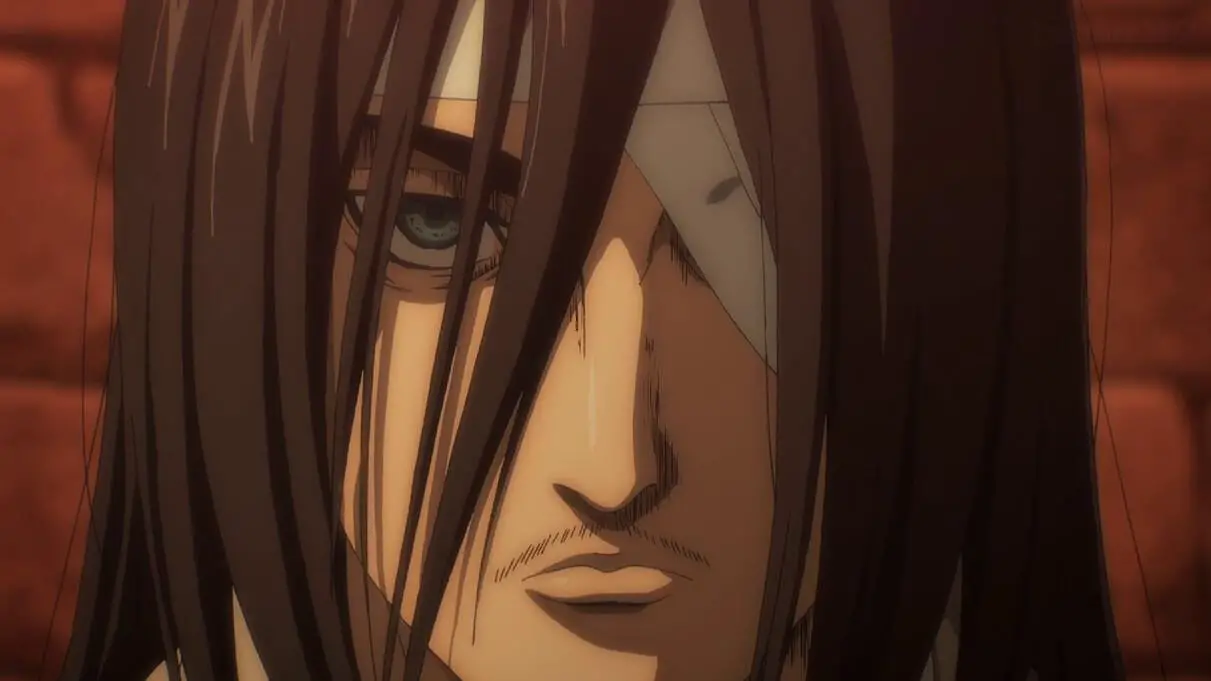
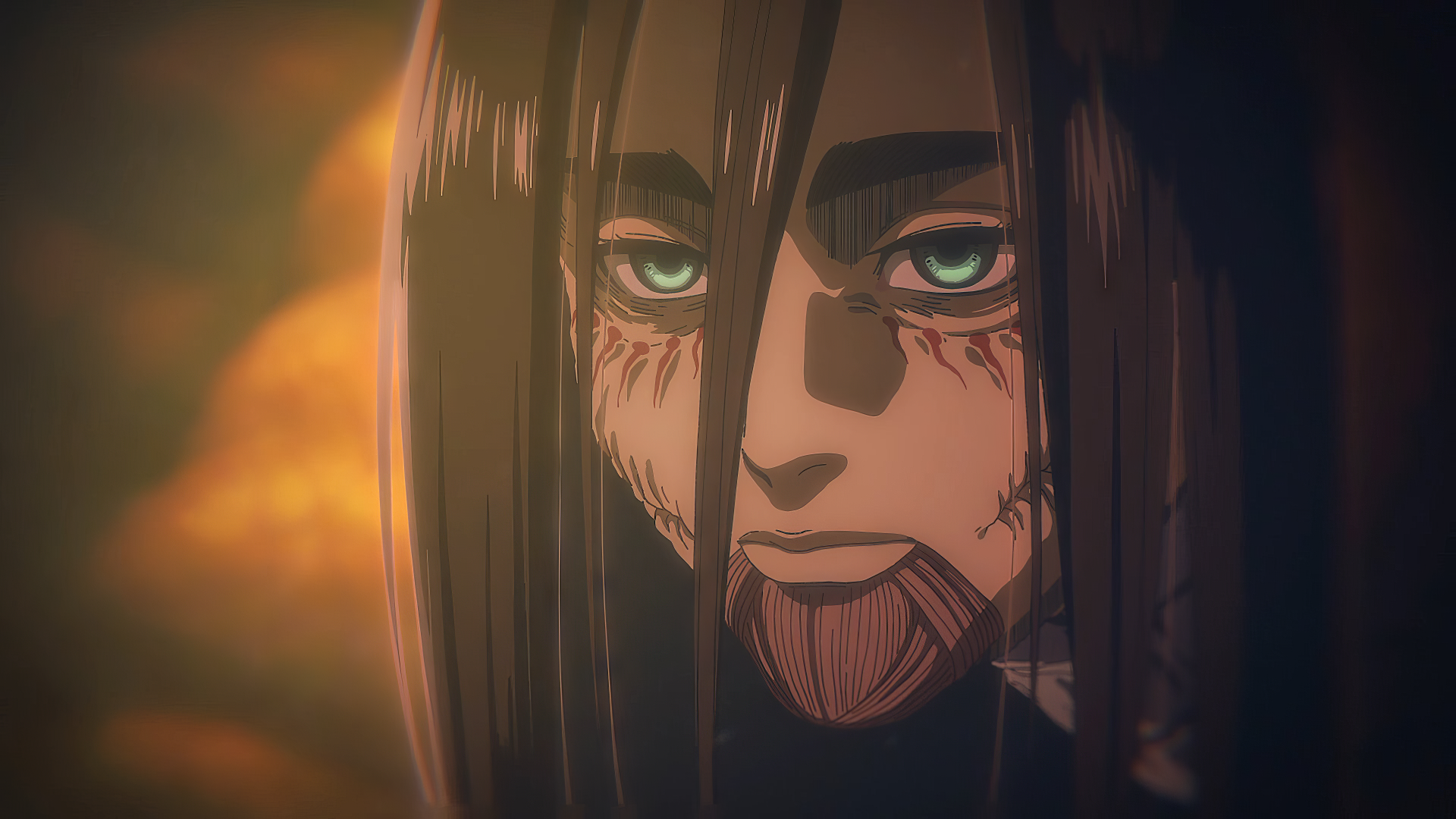
Eren, in his final stage, decided to carry out The Rumbling: the annihilation of all life outside Paradis Island. His motivation was not power but the imperative to break the two-thousand-year cycle of hatred that condemned his people to annihilation. His view was factual: if Paradis lived, the rest of the world died; if the rest of the world lived, Paradis died. He acted under the pragmatic reason of protecting his tribe.
Zamasu (Dragon Ball Super)
Zamasu argued that humans were a plague contaminating the natural beauty and order of the universe. His diagnosis of humanity's inability to use its intelligence without falling into war, pollution, and planetary destruction was undeniable. His solution, the "Zero Mortals Plan," was extreme, but his critique of human irresponsibility was a position shared by many observing gods.

Conclusion
The tragedy of these villains lies in the purity of their intention contrasted with the corruption of their method. Recognizing that Light, Pain, or Stain were right in their analysis is not a moral justification, but an acknowledgment that anime plots often criticize societies more deeply than their antagonists.
Patrocinado
Categorias
Leia Mais
A Beginner's Guide: 10 Recommended Anime Series to Start With Anime is an animation medium originating from Japan. It contains a vast number of works covering multiple genres, such as action, science fiction, romance, and comedy. This wide variety of options can be difficult for a new viewer to navigate. If you are new to anime, you might ask, "Where do I begin?" Perhaps you only have...
Definitive Guide: JoJo's Bizarre Adventure Watch Order (Complete Timeline) JoJo's Bizarre Adventure is one of the most influential franchises in the history of manga and anime. Written by Hirohiko Araki, the series is distinguished by an unusual narrative structure: instead of following a single protagonist, the story is divided into "Parts." Each Part features a new protagonist...
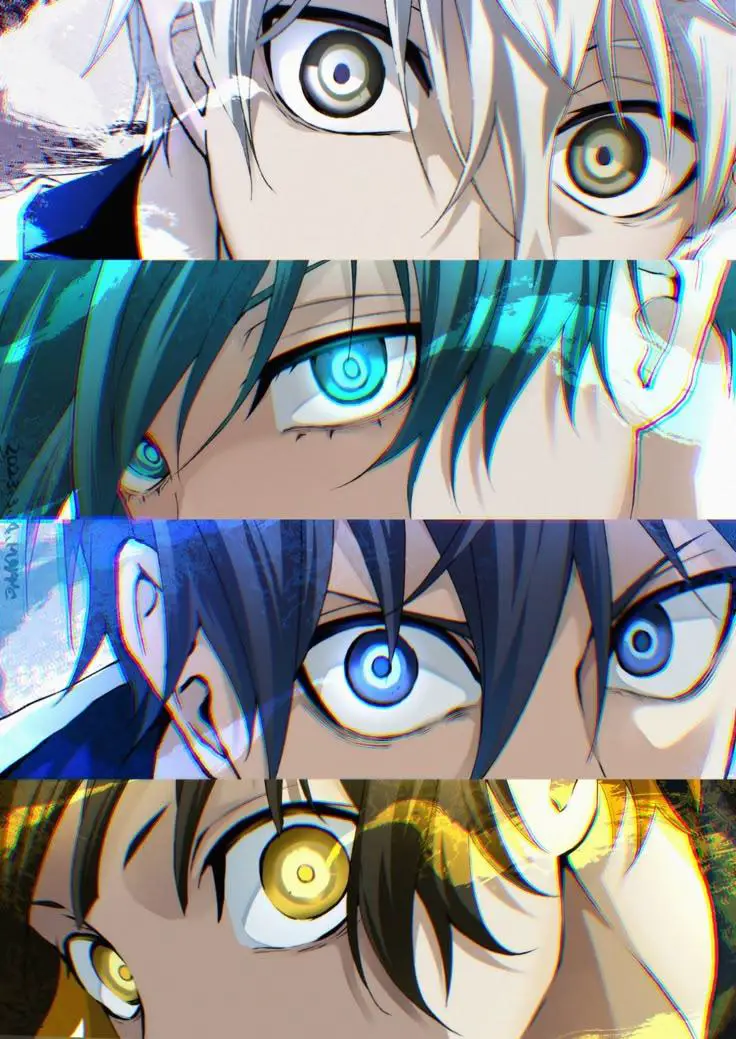
The Re-Rise of Sports Anime: How 'Blue Lock' and 'Haikyuu!!' Made Sports a Global Phenomenon For decades, sports anime (or "Spokon") was a fundamental but consistent genre in Japan, with classics like Slam Dunk and Captain Tsubasa. Globally, however, it was often considered a niche. Today, in 2025, that has irrevocably changed. The sports genre now competes in global popularity with the...
The Asian comic market is dominated by Japanese Manga and Korean Manhwa. While both are sequential arts with rich narratives, they fundamentally differ in their format, production, and consumption method—a division that has become crucial with the rise of mobile devices. The most notable difference for the reader is that Manhwa, in its modern Webtoon format, was designed from the ground...
Music in anime is much more than mere accompaniment; it is the heart and soul of the narrative, marking eras and defining entire genres. From the J-Rock anthems that powered the shonen of the 90s to the melancholic voices of modern dramas, these are the artists whose sound is inseparable from the series they soundtracked. 1. The Classic Pillars (Rock, J-Pop, and Orchestration of the Golden...