

Anime in the Immersive Era: From Screen to Metaverse with Virtual and Augmented Reality
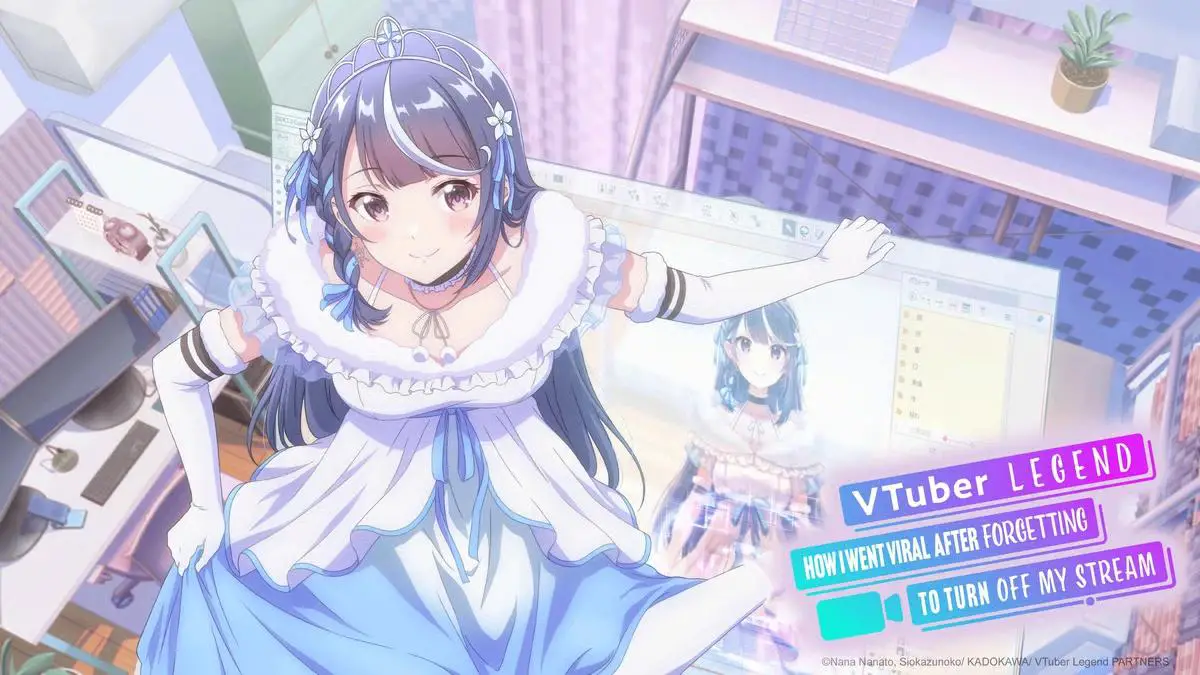
Anime, an art form traditionally defined by the 2D screen, is undergoing a radical metamorphosis. The growing sophistication of Virtual Reality (VR) and Augmented Reality (AR) is not just changing how we watch anime, but where and with whom we experience it.
The promise of immersive technology is to blur the line between the viewer and the character, moving the fandom into the Metaverse.
I. VR: The Evolution of Visualization
Virtual Reality is no longer limited to video games. It is creating new social and private spaces for consuming audiovisual content.
New Ways to Watch Anime in VR (Descriptive List):
-
Social VR Cinemas (VR Theaters): Platforms like Bigscreen or VRChat allow fans to watch new episodes in a shared virtual environment, projected onto a gigantic cinema screen. The experience is social and communal, allowing for real-time reactions through avatars.
-
360° Content: Some series and short films are being created with 360° cameras, placing the viewer directly within the action scene, ideal for battle sequences or immersion in iconic landscapes (like the streets of Akihabara).
-
Hybrid Narrative (2D/3D): Studios are experimenting with series that have rendered 3D environments for VR but retain 2D animated characters in the foreground, combining the familiar with the immersive.
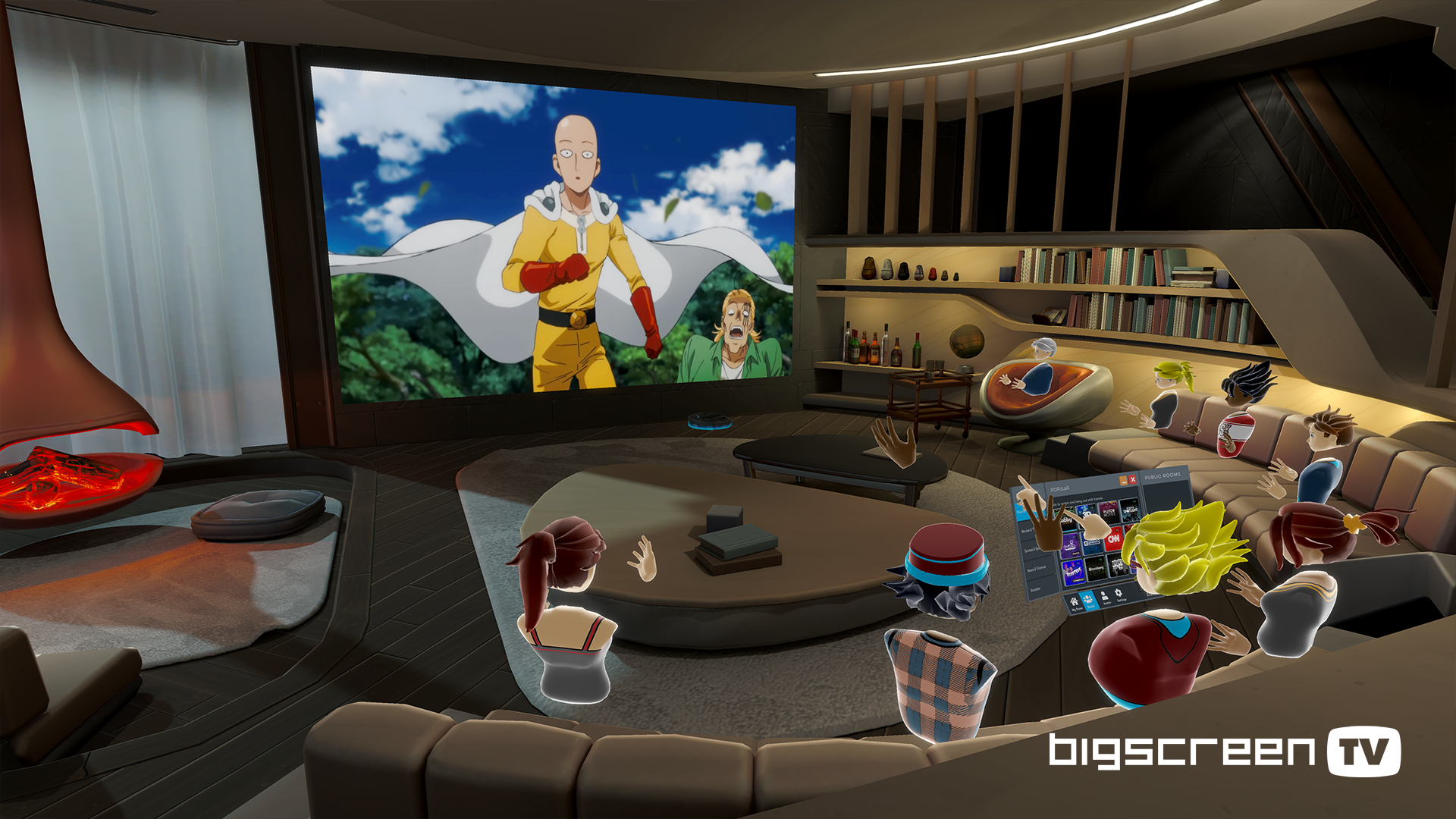
Social VR Cinemas
II. AR: Anime in Our World
Augmented Reality has a different potential: it does not isolate the user, but integrates anime elements directly into the physical, real-life environment, known as blending or mixing.
Applications of AR in the Anime Experience (Descriptive List):
-
Holographic Companions: Using devices like AR glasses, fans can see their favorite characters interact with objects in their living room, walk down the street alongside them, or act as virtual assistants (an evolution of 2.5D character holograms).
-
Locative and Location-Based Experiences: Mobile applications allow for the recreation of Shonen series battles in parks or monuments. For example, seeing a Kamehameha projected onto a local building or searching for Pokémon in the real world.
-
3D Manga and Webtoons: AR can scan a physical manga page and make the panels "pop" in 3D or with simple animation, creating a dynamic and interactive reading experience.

3D Manga panel
III. Immersive Fandom and Creation (UGC)
The Metaverse is not just about consumption, but about interaction and creation. Anime fandom is driving these immersive tools.
Immersive Interaction Models (Descriptive List):
-
VTubers (The 3D Phenomenon): VTubers have normalized the use of 3D animated avatars for social interaction. This drives demand for accessible motion capture tools so that any fan can become their own anime character.
-
Virtual Conventions: Events like Comic-Con or anime expos already have replicas in VR platforms, allowing massive attendance without geographical limits. Fans can use personalized avatars to socialize and visit virtual booths.
-
User-Generated Content (UGC): Simplified 3D tools (such as accessible modelers) allow fans to design their own scenarios, short episodes, or character modifications and share them immediately in the Metaverse.
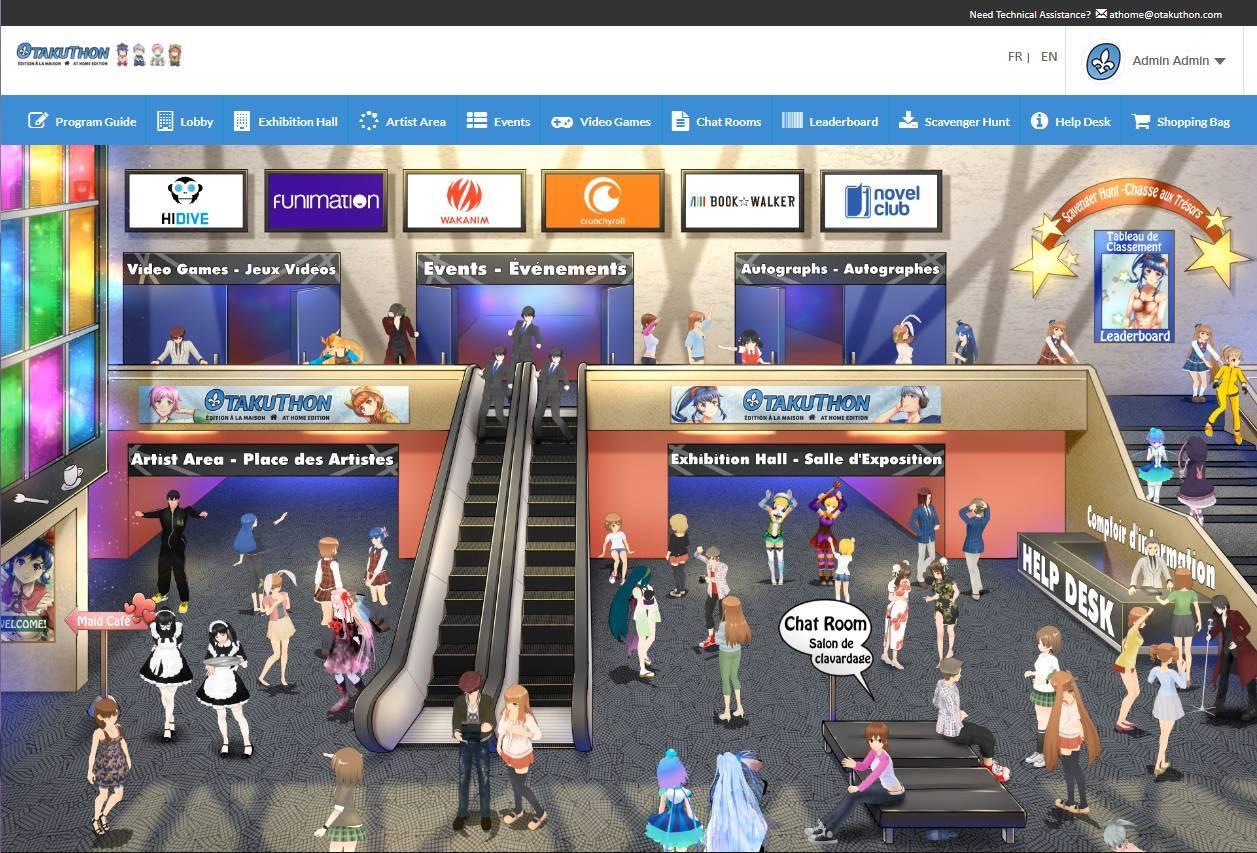
Virtual convention
IV. Conclusion
The future of anime is not in HD or 4K, but in the level of immersion it offers. As VR and AR become more common, fans will demand that their favorite universes not stay on the screen, but become habitable spaces. This immersive era will transform the passive viewer into an active participant, redefining the relationship between the creator, the character, and the fan.
Sponsored
Categories
Read More
The Japanese Idol landscape has evolved dramatically. Today, stars are neither solely human nor entirely digital. The massive success of franchises like Love Live! is based on the 2.5D model, a fusion of animated characters and their real-life voice actresses. This formula would not have been possible without the precedent set by the pioneering figure of digital entertainment: Hatsune Miku. I....

All For One (AFO) is the fundamental antagonist of My Hero Academia and the symbolic opposite of hero society. His psychology is not based on trauma or vengeance, but on malignant narcissism fueled by a power that allows him to absorb the identity of others. AFO is the embodiment of absolute tyranny, where power is the ultimate end, not the means. 1. The Narcissistic Core (Worldview) ...

The Gacha genre (named after the Japanese Gashapon vending machines) and anime have a perfect symbiotic relationship. For studios, it's a gold mine that capitalizes on brand loyalty; for fans, it's a way to follow the story of their favorite characters, collect alternate versions, and participate in the series' universe. Here, we highlight five Gacha games that have not only been commercial...

Music in anime is much more than mere accompaniment; it is the heart and soul of the narrative, marking eras and defining entire genres. From the J-Rock anthems that powered the shonen of the 90s to the melancholic voices of modern dramas, these are the artists whose sound is inseparable from the series they soundtracked. 1. The Classic Pillars (Rock, J-Pop, and Orchestration of the Golden...

Although the concept of a Shared Universe is popularly associated with Western comics, large anime franchises have been interweaving timelines and secondary narratives for decades. In this medium, spin-offs are not just extra stories but often essential narrative pieces that redefine the main work. We analyze how anime uses this expansion to create rich and enduring worlds. I. The Classic...