

What is "Goku Day"? (5/9): How One Character Became an Anime Ambassador
Happy "Goku Day"! How One Character Became a Global Ambassador for Anime
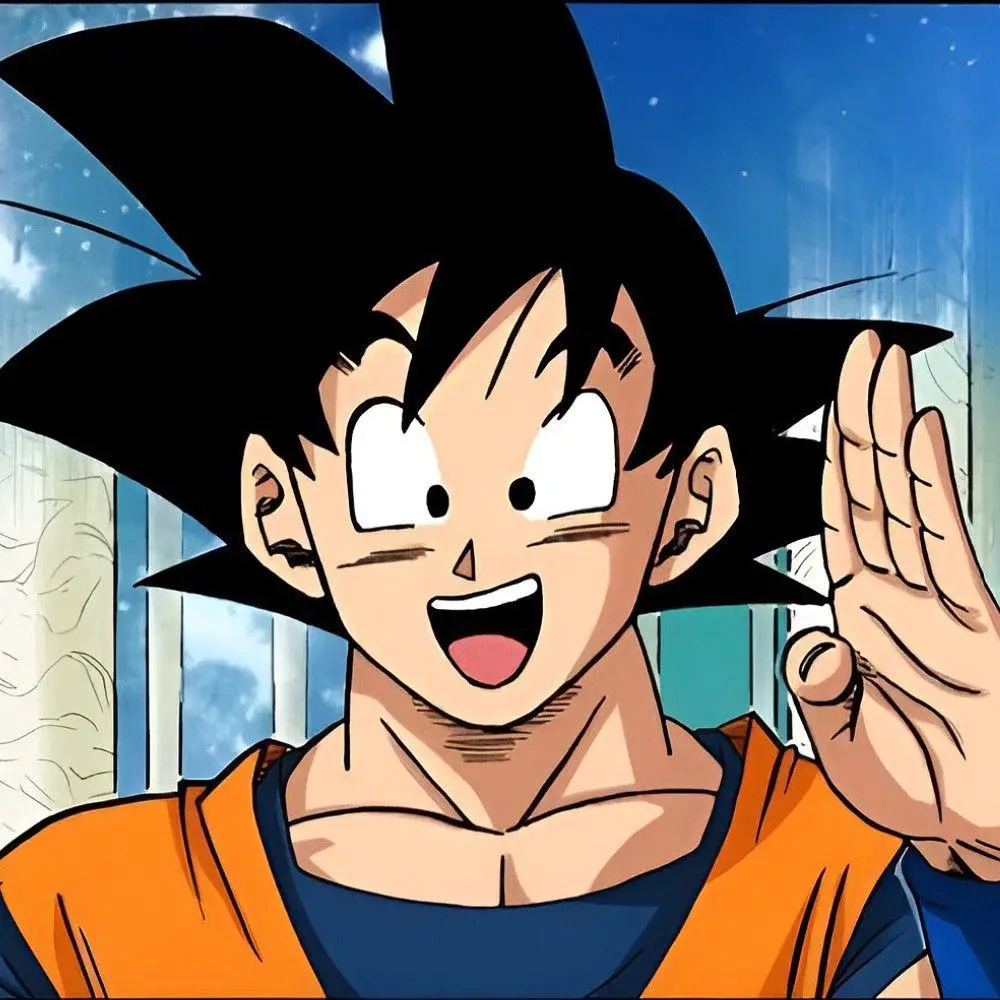
Every May 9th, social media and fan communities around the world celebrate "Goku Day." It is an annual celebration of Son Goku, the protagonist of Akira Toriyama's Dragon Ball franchise.
But this day is more than just a celebration of a character. It's a recognition of how a fictional, spiky-haired hero became the face of a multi-billion dollar industry and the global ambassador for the word "anime" to millions of people.
What is Son Goku? (Quick Context)

Son Goku is the main protagonist of the Dragon Ball series, which began as a manga in 1984. He is an alien (a Saiyan) raised on Earth, whose life is dedicated to martial arts, protecting his home, and the simple joy of getting stronger and fighting powerful opponents.
The Origin: Why May 9th? (The 5/9 Wordplay)
The origin of "Goku Day" is a Japanese wordplay called goroawase, where numbers can be read phonetically as words.
-
5 (Go): In Japanese, the number 5 is pronounced "Go."
-
9 (Ku): The number 9 is pronounced "Ku."
Together, month 5 and day 9 (5/9) are read as "Go-Ku."
This fan-started celebration became so popular that it was officially recognized by the Japan Anniversary Association in 2015, cementing May 9th as the official Goku Day.
How Goku Became the Ambassador for Anime
Goku was not the first anime protagonist, but he is, without question, the most recognized globally. His role as "ambassador" can be attributed to three key factors:
1. The Universal Shonen Archetype
Goku is the mold for the modern Shonen (action anime for young men) hero. His personality is simple: he is cheerful, pure-hearted, loves to eat, and lives for the challenge of self-improvement.
This universal motivation—getting stronger to protect friends—is incredibly easy to understand and admire, regardless of language or culture. Characters like Naruto Uzumaki and Monkey D. Luffy are, in essence, spiritual descendants of the Goku archetype.
2. Decades of Uninterrupted Global Exposure
For millions of people in the Americas, Europe, and Asia in the 1990s and early 2000s, Dragon Ball Z was their introduction to anime.
Aired on massive platforms like Toonami (Cartoon Network) and other broadcast channels worldwide, DBZ was a cultural event. Unlike previous series, its reach was massive and simultaneous. It was the "first anime" for an entire generation, and that first impression defined the medium.
3. The Symbol of the "Power-Up" (Transformation)

Even people who have never seen an episode of anime know the concept of "Super Saiyan."
Goku's transformation into a Super Saiyan (blond hair, green eyes, golden aura) on Planet Namek is one of the most iconic moments in television history. It created the "power-up" trope that defines the genre.
This concept has transcended anime. Professional athletes, musicians, and actors worldwide cite Goku and the Super Saiyan transformation as a metaphor for reaching a new level of performance.
How is "Goku Day" Celebrated?

On May 9th, the celebration is global and digital:
-
Fan Art: Artists worldwide share millions of illustrations and animations on social media using the hashtags #GokuDay and #悟空の日 (Goku no Hi).
-
In-Game Events: Massive mobile games like Dragon Ball Z: Dokkan Battle and Dragon Ball Legends launch special events, login bonuses, and new characters.
-
Official Announcements: Often, Toei Animation, Shueisha, or Bandai Namco will use this date to make major announcements about the franchise, such as new movies, manga arcs, or merchandise.
Conclusion
"Goku Day" is a celebration of how a simple story about self-improvement could break through cultural and linguistic barriers. Goku is not just a character; he is a cultural icon.
He is the gold standard of Shonen power and, for the millions who grew up watching his battles, he is the very face of anime itself.
Sponsored
Categories
Read More
'Zenless Zone Zero' Review (2025): Is This the Next Big "Anime-Gacha" Hit? When Zenless Zone Zero (ZZZ) launched in July 2024, the question on everyone's mind was whether HoYoverse (the creators of Genshin Impact) could strike gold a third time. Expectations were incredibly high. Now, almost a year and a half later in November 2025, we can look back and answer that question. ZZZ is not...
Death in anime is not just a dramatic device; it is a narrative catalyst. The most resonant deaths are those that force the protagonist's evolution, set the tone of the series, or resolve a complex emotional conflict. These seven moments are universally recognized for their dramatic value and the intensity of the emotional devastation they inflicted upon the audience. 1. Deaths That...
Your Next Binge: 8 Great Anime You Can Finish in a Single Day (12 Episodes or Less) Sometimes, you don't have time to start a 300-episode series. Enjoying anime doesn't always require a huge time commitment. Many series exist that are designed to tell a complete, high-quality story in 12 or 13 episodes (a single "season" or cour). Watching a 12-episode series from start to finish takes...

Your Favorite Anime Just Ended? A Beginner's Guide on How (and Where) to Start Reading Manga You've finished the latest season of your favorite anime. The solution is simple: read the manga. The manga is the original source material for most anime, and in almost every case, the story is much further ahead than the animated adaptation. But this raises three key questions for a beginner:...

What is a "Visual Novel"? A Guide to the Games That Inspire Your Favorite Anime (Like 'Steins;Gate' and 'Clannad') Have you ever watched a romance anime where the protagonist seems to have incredible chemistry with a side character, only to suddenly "forget" them and focus on someone else? Or have you watched a sci-fi series like Steins;Gate and wondered why fans talk about a "True...