
A Foodie's Guide to Anime: What Are Onigiri, Ramen, and Taiyaki?
A Foodie's Guide to Anime: What Are Onigiri, Ramen, and Taiyaki?
Food in anime is often animated with a level of detail that makes it look more delicious than real food. From characters meticulously preparing bento boxes to scenes of them devouring bowls of noodles, food is a pillar of the narrative.
For new viewers, three foods appear constantly, acting as key cultural items: Onigiri (the portable rice ball), Ramen (the comforting noodle bowl), and Taiyaki (the sweet festival snack).
This guide defines what each of these foods actually is.
1. Onigiri (おにぎり) – The Rice Ball

-
Often Seen In: Lunch boxes (bento), picnics, travel. (e.g., Spy x Family, Fruits Basket, Pokémon).
What Is It?
An Onigiri is a compacted Japanese rice ball. It is the quintessential convenience food.
-
Shape: While often called "rice balls," onigiri are most commonly shaped into a triangle or cylinder.
-
Rice: It uses Japanese white rice (sticky rice), often lightly salted.
-
Exterior: Commonly, they are partially wrapped in a strip of nori (dried seaweed), which serves as a handle to hold the sticky rice without getting your fingers messy.
What's Inside?
An onigiri is not just plain rice. Traditionally, a salty or sour filling is placed in the center before the rice is shaped around it. Common fillings include:
-
Shake (鮭): Cooked, salted salmon.
-
Umeboshi (梅干): A pickled Japanese plum, which is very sour and salty.
-
Tuna Mayo: A very popular modern filling.
-
Kombu (昆布): Kelp that has been simmered in soy sauce.
Role in Anime: Onigiri is the ultimate portable food. It is the Japanese equivalent of a sandwich. Characters carry them in their school lunches, eat them on train rides, or pack them for picnics.
2. Ramen (ラーメン) – The Noodle Soup

-
Often Seen In: Food stalls, after-work restaurants, as comfort food. (e.g., Naruto, Weathering with You).
What Is It?
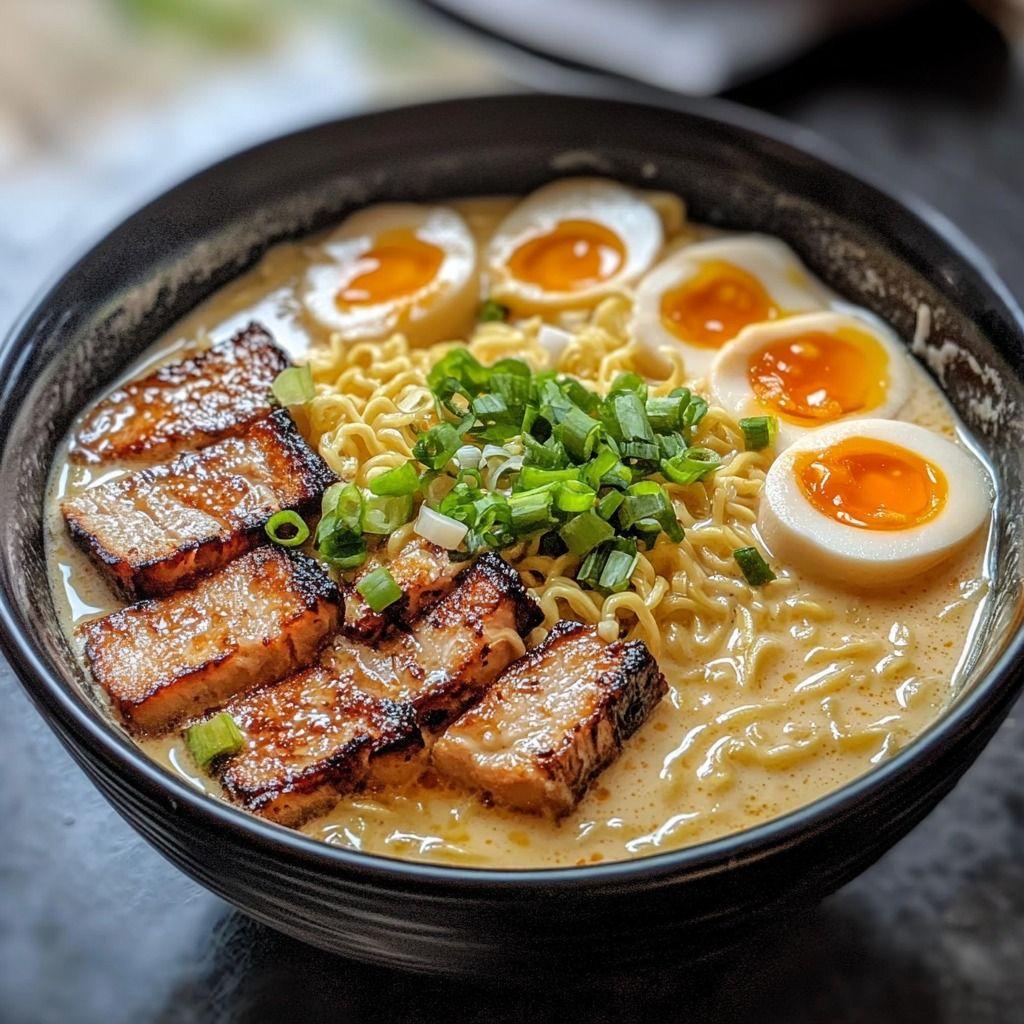
Ramen is a Japanese noodle soup dish. It consists of four main components: broth, tare (flavoring), noodles, and toppings.
-
Noodles: Chinese-style wheat noodles, which vary in thickness and shape.
-
Broth: The base of the soup, typically made from pork bone (Tonkotsu), chicken, or fish stock.
-
Tare: The concentrated flavoring added to the broth, such as Shio (salt), Shoyu (soy sauce), or Miso.
What's On Top?
The toppings are what give ramen its iconic appearance:
-
Chashu: Slices of braised pork belly.
-
Ajitama: A soft-boiled egg that has been marinated in soy sauce.
-
Narutomaki: The iconic white slice with a pink swirl in the middle. It is a cured fish paste (kamaboko).
-
Menma: Fermented bamboo shoots.
-
Nori: Sheets of dried seaweed.
Role in Anime: Ramen is the number one comfort food. It's hot, fast, and filling. Characters (like Naruto Uzumaki) eat it obsessively. It also symbolizes a quick, cheap meal for students or workers after a long day.
3. Taiyaki (たい焼き) – The Fish-Shaped Cake

-
Often Seen In: School festivals, shrine fairs, as a street snack. (e.g., My Hero Academia, K-On!, Boruto).
What Is It?
Taiyaki is a sweet Japanese cake. Despite its shape, it does not contain fish.
-
Shape: The batter (similar to waffle or pancake batter) is poured into an iron mold shaped like a "Tai" (sea bream), a fish that symbolizes good luck in Japan.
-
Flavor: It is a sweet, warm dessert.
What's Inside?
The mold is filled with batter, the filling is added, and then more batter is poured on top before it's closed and cooked.
-
Classic Filling: The traditional filling is Anko (sweet red bean paste).
-
Modern Fillings: Today, it's common to find taiyaki filled with custard, chocolate, or even cheese.
Role in Anime: Taiyaki is the quintessential festival snack. Characters are often seen buying them from street stalls during summer festivals or school cultural fairs. It is a nostalgic and comforting food.
Conclusion
These three foods are central to anime because they are central to daily Japanese life.
-
Onigiri: The quick, portable lunch.
-
Ramen: The hot, comforting meal.
-
Taiyaki: The sweet, festive snack.
Understanding what they are gives you a deeper connection to the scenes and characters you are watching.
Gesponsert
Kategorien
Mehr lesen
Definitive Guide: JoJo's Bizarre Adventure Watch Order (Complete Timeline) JoJo's Bizarre Adventure is one of the most influential franchises in the history of manga and anime. Written by Hirohiko Araki, the series is distinguished by an unusual narrative structure: instead of following a single protagonist, the story is divided into "Parts." Each Part features a new protagonist...
Filler vs. Canon: A Beginner's Guide to Understanding Anime Arcs (and Which to Skip) You're watching a long-running action anime, like Naruto. The main plot is intense; the characters are in the middle of crucial training or a life-or-death battle. Suddenly, the next episode begins, and the main characters are on an unimportant side mission, like helping a talking ostrich or cooking the...

The art of Japanese animation is often rooted in reality. The practice known as Seichi Junrei (sacred site pilgrimage) has driven tourism to spots that served as direct inspiration for memorable scenes and landscapes. Below, we explore six of the most iconic real-life locations that were immortalized on screen. 1. Makoto Shinkai's Hyper-Detailed Realism Director Makoto Shinkai is...
Your Favorite Anime Just Ended? A Beginner's Guide on How (and Where) to Start Reading Manga You've finished the latest season of your favorite anime. The solution is simple: read the manga. The manga is the original source material for most anime, and in almost every case, the story is much further ahead than the animated adaptation. But this raises three key questions for a beginner:...

The Rise of Webtoons: How 'Solo Leveling' and 'Tower of God' Are Changing the Anime Landscape For decades, the anime industry operated on a predictable model: most series were adaptations of manga (Japanese comics), light novels, or occasionally, video games. The origin of almost all intellectual property was Japanese. That model is changing. The success of series like Tower of God and,...