
A Look Back at Toonami: How Western TV Created a Generation of Anime Fans
For millions of people in the West (America and Europe), the word “anime” wasn’t learned online. It came from a single source: a programming block on Cartoon Network called Toonami.
In the late 1990s and early 2000s, Toonami was, for many, the only gateway to shows like Dragon Ball Z, Sailor Moon, and Gundam Wing. But its legacy runs much deeper than its lineup.
It wasn’t just a time slot—it was a cultural event. Toonami didn’t just air anime; it branded it, curated it, and legitimized it for an audience that didn’t yet know it needed it.
Here, we explore how Toonami created an entire generation of anime fans.
A Look Back at Toonami: How Western TV Created a Generation of Anime Fans

Today, in 2025, the anime industry is a pillar of global entertainment. Services like Crunchyroll and Netflix launch new anime every week with global simulcasts. But how did a Western audience—raised on episodic cartoons—come to accept and crave complex, serialized narratives from Japan?
The answer isn't a streaming service. It's a programming block on cable television: Toonami.
Launched in 1997 on Cartoon Network and reaching its zenith in the early 2000s, Toonami was a "kingmaker." It was the funnel through which anime passed from a niche import product into a mainstream phenomenon.
1. The Secret Ingredient: "Curation" and "Branding"
Toonami was not a content dump. It was a curated experience. The Toonami team (led by figures like Sean Akins and Jason DeMarco) hand-picked specific series that fit an emerging aesthetic.
The true genius of Toonami wasn't just what it showed, but how it showed it.
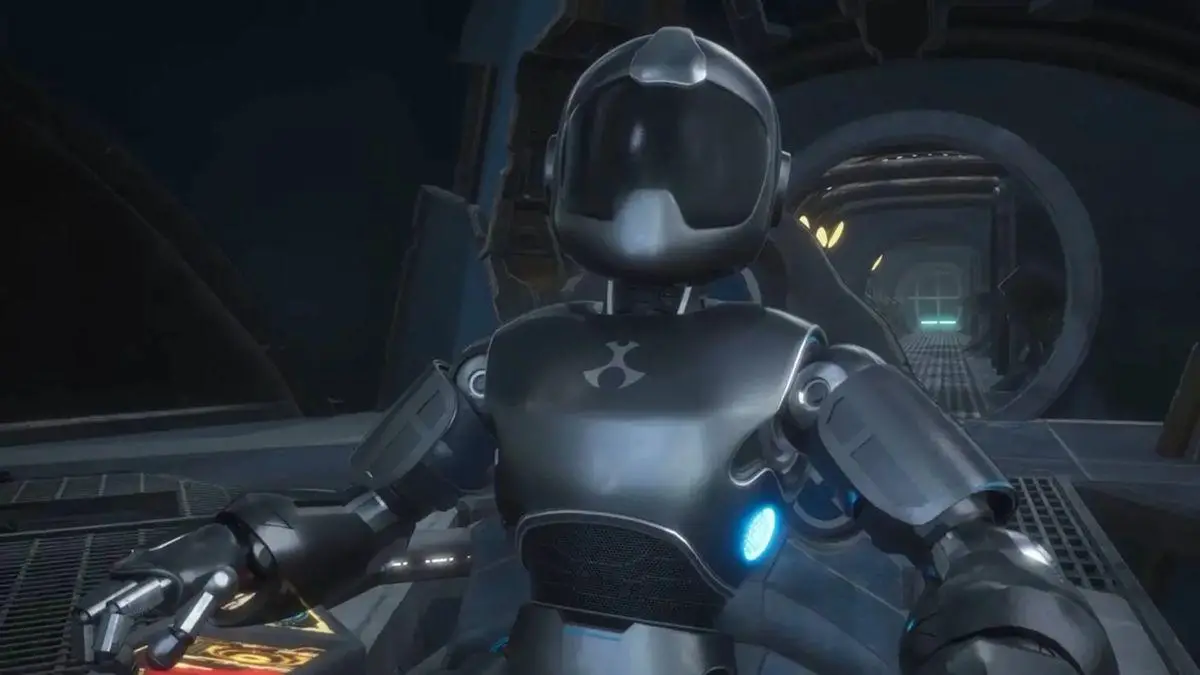
The block had its own narrative. The first host was Moltar (from Space Ghost), but in 1999, he was replaced by T.O.M. (Toonami Operations Module), a robot host on a spaceship called the Absolution.
This was a masterstroke. T.O.M. (with the iconic voice of Steve Blum) didn't talk down to viewers. He spoke about themes of duty, honor, and perseverance. The promos (bumpers) between shows weren't toy commercials; they were motivational speeches set to techno and hip-hop music.
The Message: Toonami wasn't "for kids." It was "cool." It was mature. And by extension, the shows it aired (anime) were, too.
2. The Programming Pillars: The "Gateway Effect"
Toonami built its empire on three foundational pillars that served as the "gateway drug" for most fans.
-
Dragon Ball Z: This was the main event. It was the biggest, loudest, most action-packed series on the planet. Toonami positioned its primetime schedule around DBZ, using its massive popularity to pull viewers into the block.
-
Sailor Moon: By airing Sailor Moon (even an edited version), Toonami did something crucial: it validated that anime wasn't just for boys. It carved out a space for millions of female fans.
-
Gundam Wing: This was the game-changer. Gundam Wing was complex. It had politics, morally gray characters, and serialized plots that demanded you watch every episode.
It was this third pillar that had the biggest impact. The kids who came to watch DBZ stayed for Gundam Wing, and in doing so, learned how to follow complex story arcs.
3. Legitimizing Serialized Storytelling
Before Toonami, most Western cartoons were episodic. You could watch an episode of Tom and Jerry or Looney Tunes in any order.
Toonami was the first place many young viewers encountered serialized storytelling.
If you missed an episode of Gundam Wing, you were lost. If you wanted to know what happened after a Dragon Ball Z cliffhanger, you had to tune in the next day. Toonami taught its audience "anime literacy": how to follow multiple subplots, how to remember past events, and how to emotionally invest in long-form stories.
Later series on the block, like Outlaw Star, Tenchi Muyo!, Yu Yu Hakusho, and The Big O, all benefited from this already-trained audience.
The Legacy: The Toonami Generation

The impact of Toonami is incalculable. Nearly every anime fan in their 30s and 40s in 2025 can trace their fandom directly back to this block.
-
It Created the Market: It proved to media companies (Sony, Disney, Netflix) that a massive, profitable market for anime existed in the West, if presented correctly.
-
It Normalized "Anime": It took anime out of niche comic book shops and put it into everyone's living rooms. It made it "cool" to like anime on the schoolyard.
-
It Built the Habit: It created the habit of "event viewing." Watching Toonami on Saturday nights (with its Midnight Run block) or after school was a ritual.
In conclusion, Toonami was not just a TV block. It was the cultural curator that selected, packaged, and delivered anime to an unsuspecting generation, creating the mass market that allows the industry to thrive today.
Спонсоры
Категории
Больше
In the world of shonen anime, a well-defined power system is the foundation of the action. While systems like Ki (Dragon Ball) and Chakra (Naruto) are iconic, the Nen from Hunter x Hunter (H x H) is almost universally cited by fans and critics as the most brilliant, complex, and satisfying system ever conceived. Nen is based on the manipulation of aura (life energy) that flows from the body....
The Mahō Shōjo (Magical Girl) genre is one of the pillars of anime and manga, with a history spanning over half a century. What began as a childlike concept of costumes and wishes has transformed into a complex genre capable of exploring themes of sacrifice, despair, and nihilism. The trajectory of this genre can be divided into distinct eras, marked by two main narrative milestones: the...
This is the "Eternal War" of anime fandom. The "Subs vs. Dubs" debate has raged since anime first became popular in the West. Both formats (subs and dubs) not only have value but are critical to the global health and growth of the anime industry. An informed, modern fan understands when and why to use each. Subs vs. Dubs: Why Both Have Value The oldest "Fandom War" is the choice of how to...

Existentialism, the school of thought that postulates that existence precedes essence and that human beings are completely free and responsible for their lives, has found a perfect visual medium in anime. Japanese animation, thanks to its narrative and visual freedom, is capable of exploring concepts from the philosophy of Sartre, Camus, and Heidegger with unparalleled rawness and style. Anime...
Anime, as a medium, has explored nearly every era and corner of the world. When a historical anime is done well, it not only entertains but also offers an incredible immersion into the sights, sounds, and social pressures of a different time and place. Beyond the Samurai: A Guide to 5 Amazing Historical Anime When people think of "historical anime," their minds almost automatically go to...