






In the global anime community, terms like Shonen and Shojo are household names. However, there is a third demographic that often flies under the radar in the West, yet it produces some of the most emotionally resonant and mature stories in the medium: Josei.
If you have grown out of high school romances and are looking for narratives that reflect the complexities of adult life, career struggles, and realistic relationships, Josei anime is exactly what you need.
Defining Josei: More Than Just “Women’s Anime”

The word Josei (女性) literally translates to “woman.” In the context of manga and anime, it refers to a demographic specifically targeted at adult women (ages 18 to 40+).
Unlike Shojo, which focuses on the “firsts” of adolescence, Josei is rooted in the “after.” It explores life after graduation, the reality of the workplace, the nuances of long-term commitment, and the search for identity in a society full of expectations.
Key Differences: Josei vs. Shojo
It is a common mistake to bundle all anime for female audiences into the “Shojo” category. Here is the factual breakdown of how they differ:
- Shojo (Young Girls): Focuses on idealized romance, high school settings, and self-discovery through the lens of a teenager. The art style is often “sparkly” and ethereal.
- Josei (Adult Women): Focuses on realism. Relationships can be messy, physical, and sometimes unsuccessful. The art tends to be more grounded and less stylized than Shojo, reflecting a more mature perspective.
Why are there fewer Josei anime adaptations?
If you check seasonal charts, you will notice a lack of Josei titles compared to Shonen. This is due to a marketing gap.
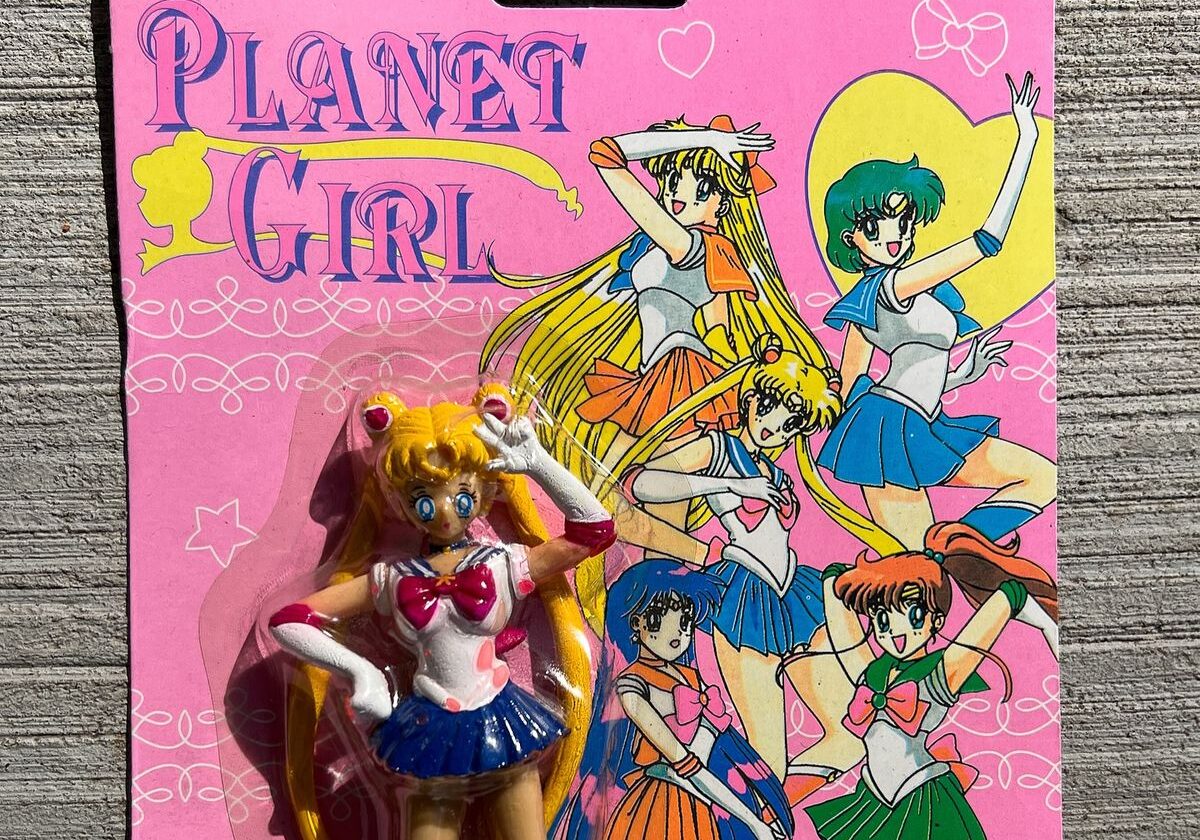
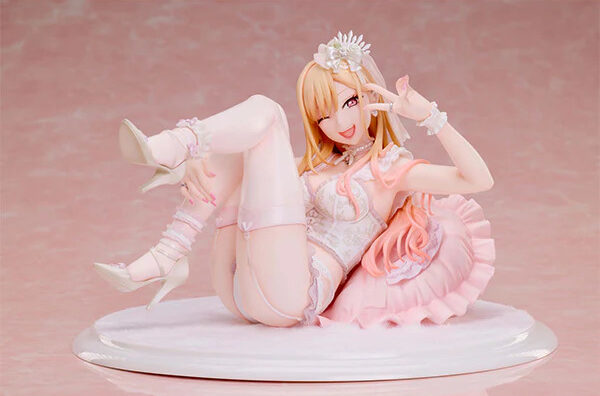
Most anime are funded to sell merchandise (figures, plastic models) or to promote mobile games. Josei stories, being grounded in reality, offer fewer opportunities for high-margin merchandising. Consequently, successful Josei manga are more frequently adapted into live-action J-Dramas rather than animated series.
Top 5 Josei Anime Recommendations
If you want to start exploring this demographic, these five series represent the absolute best of the genre:
1. NANA
A gritty, realistic look at two women named Nana who share an apartment in Tokyo. One is a punk rock singer chasing fame; the other is a hopeless romantic chasing love. It is the gold standard for adult drama.
2. Chihayafuru
While it features high school characters, it is published in a Josei magazine. It blends intense sports (Karuta) with a mature, slow-burn love triangle and professional aspirations.
3. Princess Jellyfish (Kuragehime)
A hilarious and touching story about a group of “otaku” women living in an apartment building. It deals with social anxiety, self-worth, and the pressure to conform to traditional standards of beauty.
4. Showa Genroku Rakugo Shinjuu
A masterpiece of storytelling. It follows the life of a master of “Rakugo” (traditional comedic storytelling) through decades of Japanese history, dealing with legacy, betrayal, and art.
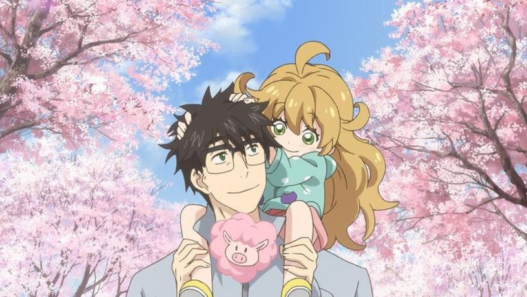
5. Bunny Drop (Usagi Drop)
A heartwarming story about a 30-year-old bachelor who decides to adopt his grandfather’s illegitimate young daughter. It provides a rare and realistic look at the sacrifices of single parenthood.
Trivia: Fun Facts About Josei
- The Furigana Rule: Unlike Shonen manga, Josei manga often lacks furigana (reading aids for Kanji), assuming the reader is a fully literate adult.
- Crossover Success: Many Josei titles, like Gokusen or Nodame Cantabile, became massive hits as live-action series before or instead of getting anime versions.
- The “Moe” Connection: Some anime that look like “cute girls doing cute things” (like K-On!) are actually Seinen (for men), while Josei tends to focus more on internal dialogue and interpersonal tension.
Is it worth watching?
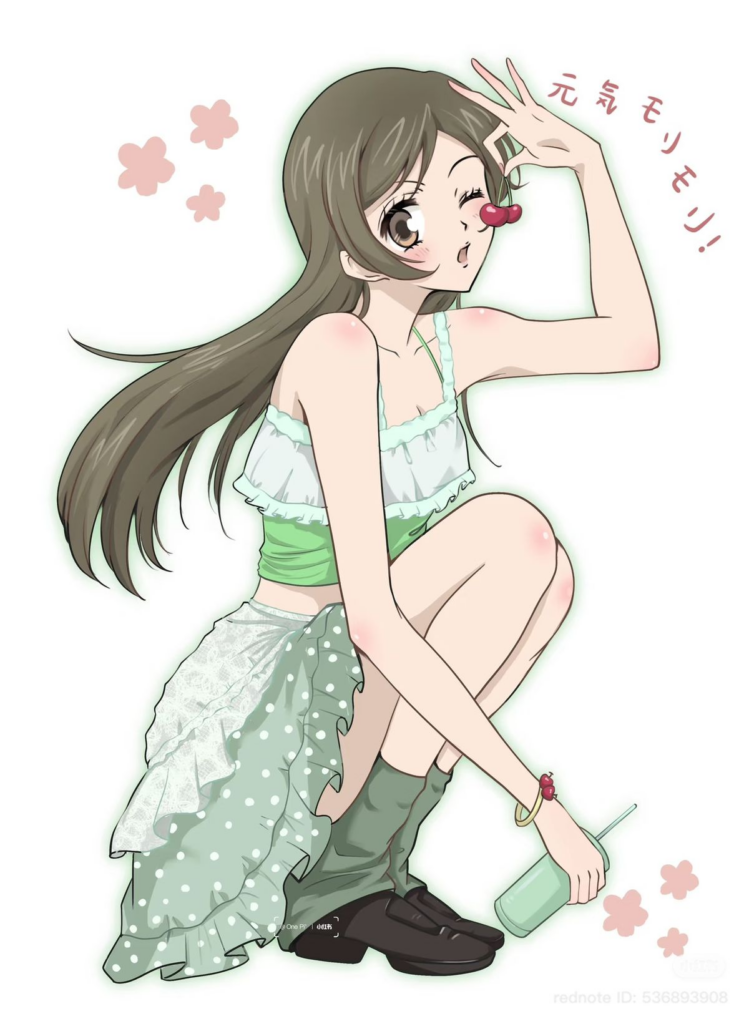
Absolutely. If you find yourself tired of the repetitive tropes found in mainstream Shonen or the over-dramatized romance of Shojo, Josei is a breath of fresh air. It treats its audience with intelligence and isn’t afraid to present life as it is: complicated, bittersweet, and deeply human.
❓ Frequently Asked Questions (FAQ)
What is the difference between Josei and Shojo? Shojo is aimed at teenage girls and focuses on idealized romance and high school life. Josei is aimed at adult women and focuses on realistic adult struggles, career, and mature relationships.
Is NANA a Josei or a Shojo? NANA is a Josei. Although it features young protagonists, its themes of sex, addiction, and the harsh realities of the music industry are specifically tailored for an adult female demographic.
Where can I watch Josei anime? Most Josei classics like Princess Jellyfish or Chihayafuru are available on major streaming platforms like Crunchyroll or Netflix.
Are Josei stories only about romance? No. While romance is a common element, Josei covers many genres including historical drama (Rakugo Shinjuu), sports (Chihayafuru), and slice-of-life parenthood (Bunny Drop).



This information is quite useful, now I won’t get confused anymore lol