








In anime, the concept of a villain often transcends pure evil. The best antagonists expose deep flaws in the world the protagonist protects. These individuals operate under an undeniable logic, even if their methods are genocidal, absolutist, or unacceptably extreme. The conflict arises from the difference between having a correct diagnosis and applying the wrong cure.
1. Critique of Hypocrisy and the Tyranny of the System
These antagonists seek a “greater good.” They justify the loss of millions to save billions from chaos.
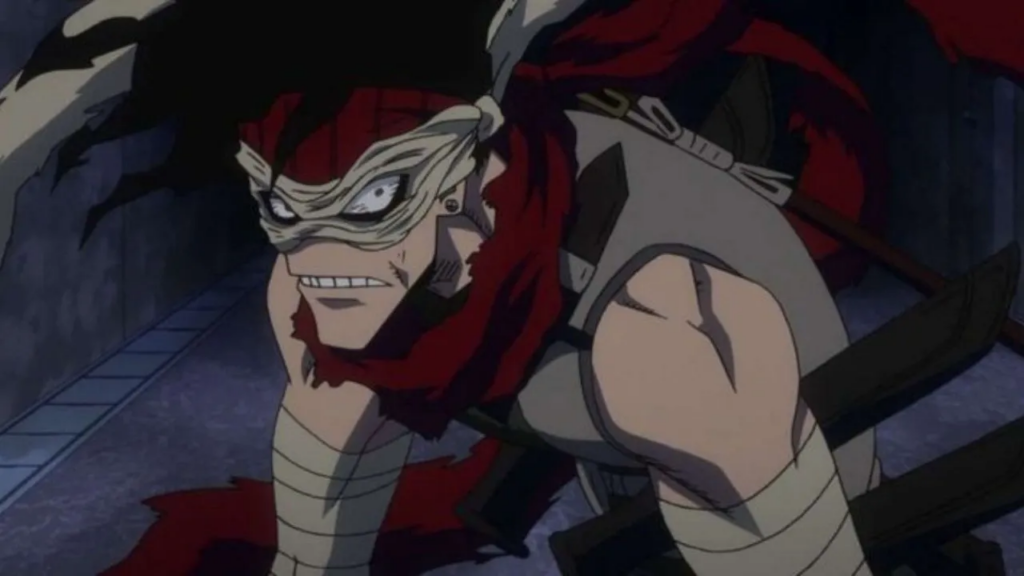
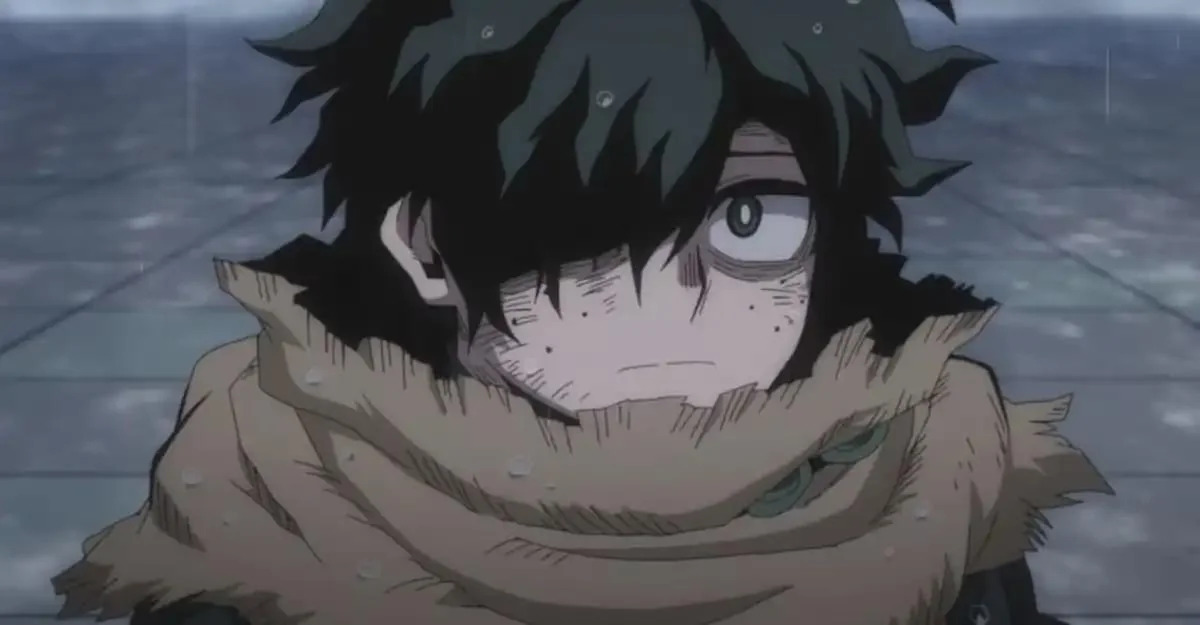
Stain, the Hero Killer (My Hero Academia)
Stain’s motivation was a direct critique of the commercialization of professional heroes. His initial argument carries a cold logic. He believes eliminating criminals reduces global suffering. However, his descent into megalomania turns him into a murderer.
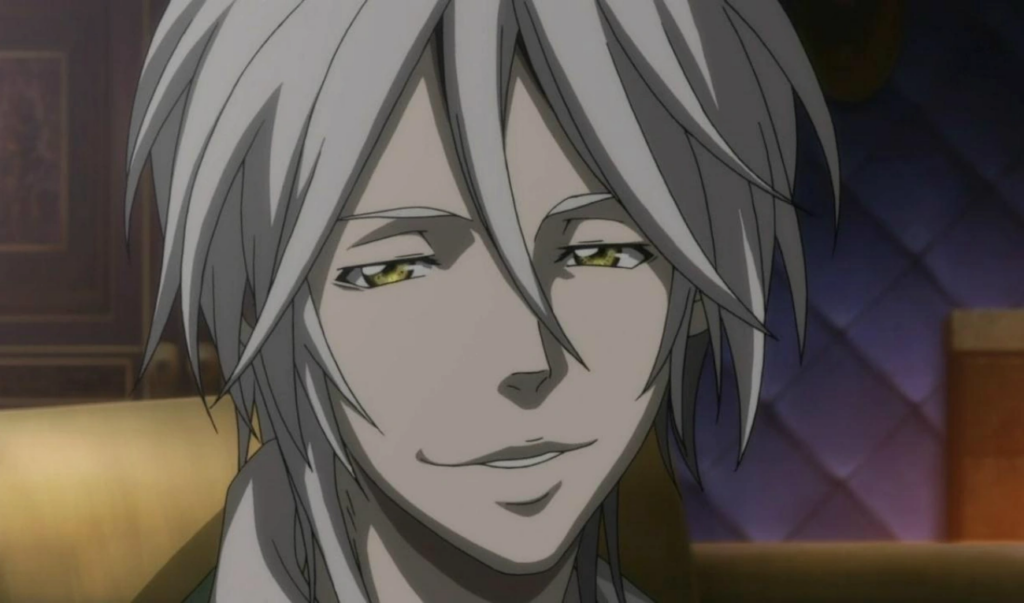
Makishima Shogo (Psycho-Pass)
Makishima challenged the passive tyranny of the Sibyl System, a surveillance network that eliminates free will by predicting and punishing crimes before they occur. His premise was that a society that sacrifices individual freedom in the name of absolute safety ceases to be human. Makishima proved the system’s illegitimacy by demonstrating that people who cannot be measured by it (asymptomatic individuals) hold the fundamental truth about free will.
2. Imposition of Absolute Peace and Global Order
These antagonists sought a greater good, justifying the elimination of millions to save billions from constant chaos.
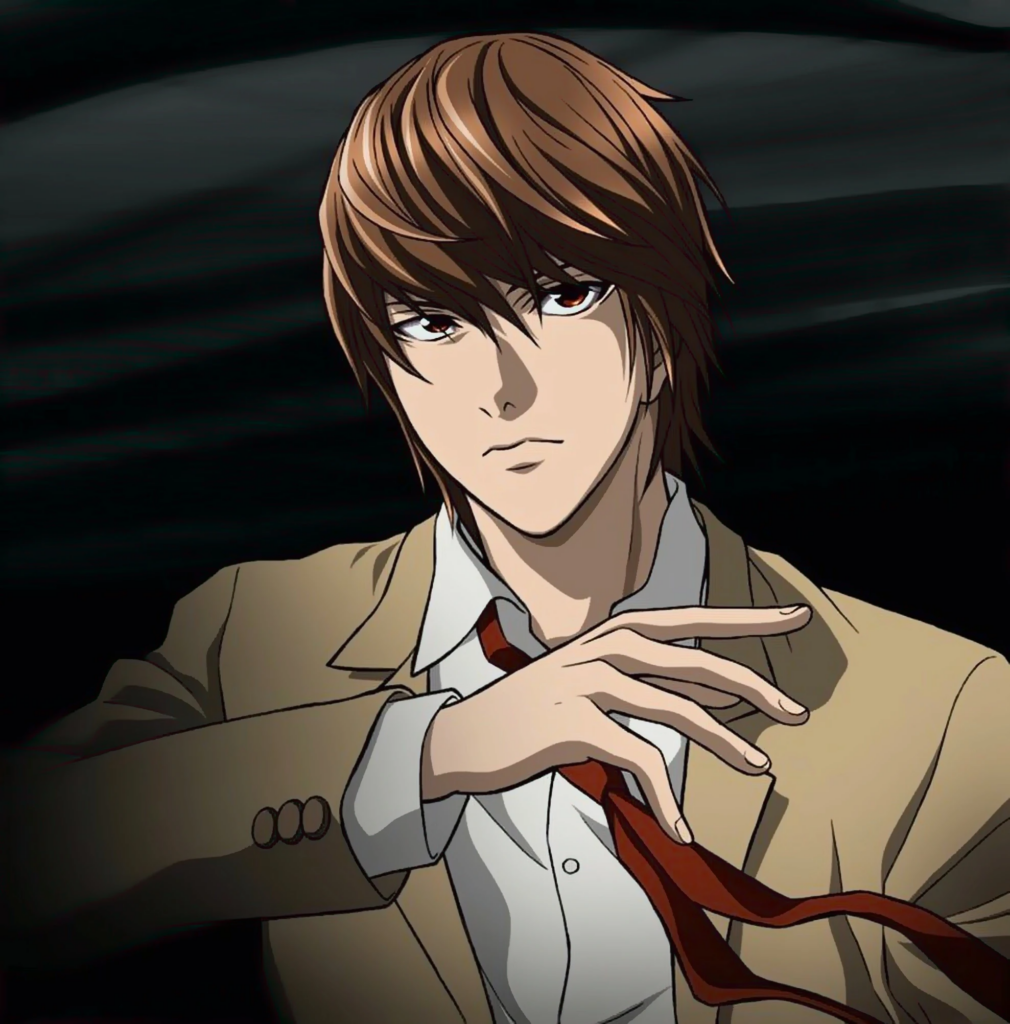
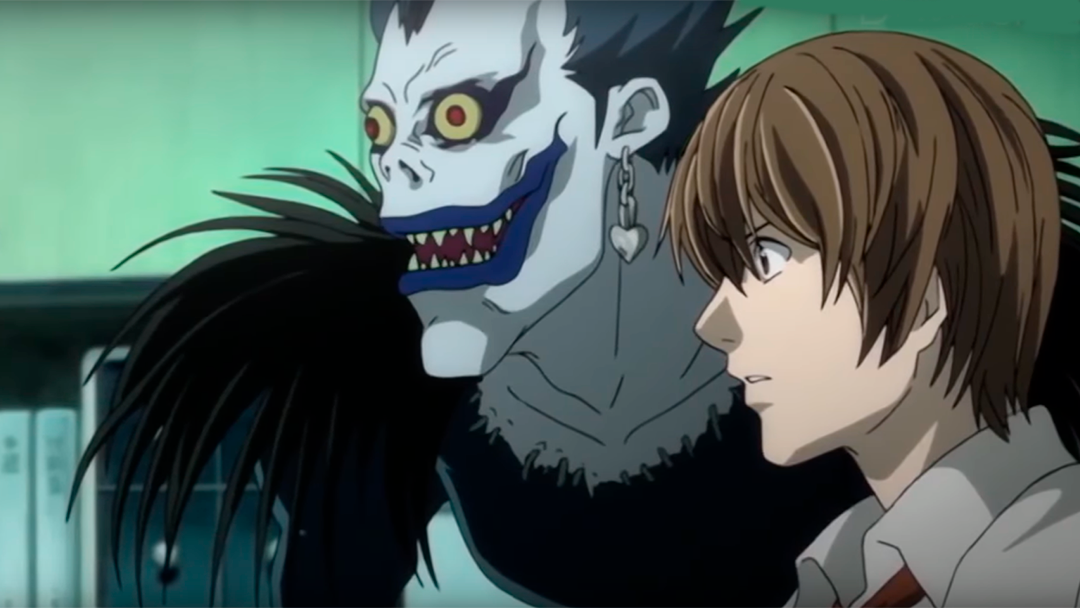
Light Yagami / Kira (Death Note)
Light’s goal was to create a world without crime or evil, governed by the fear of Kira. His initial argument was logical: the elimination of criminals reduces global suffering and creates a more peaceful society. Light’s reasoning was correct in principle (reducing evil); his failure was succumbing to megalomania, turning himself into a dictator and a murderer.
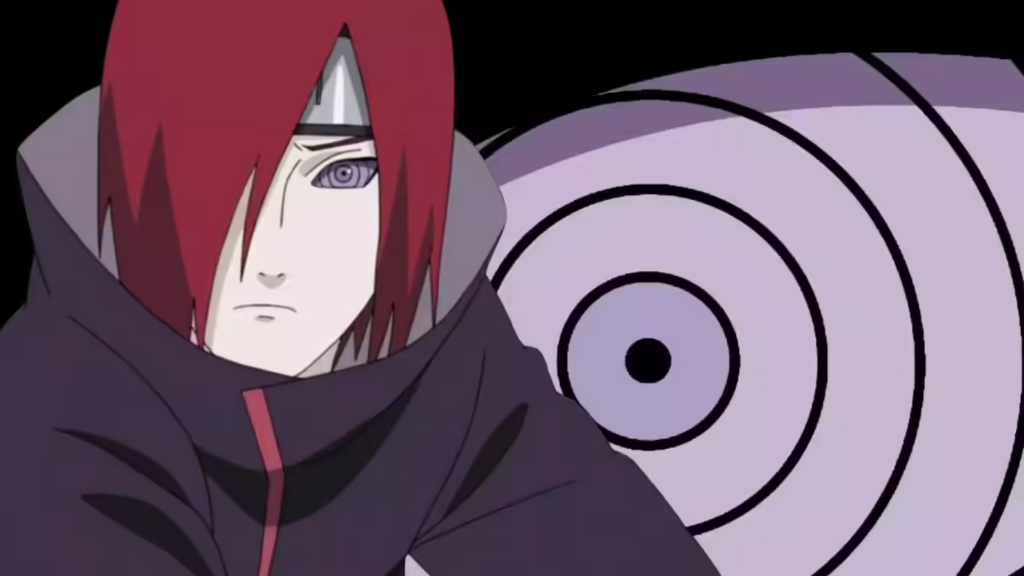
Nagato / Pain (Naruto Shippuden)
Nagato sought world peace through the concept of “Mutual Pain.” His logic was that humanity will never stop fighting unless it experiences massive, shared pain, which would force the understanding of others’ suffering and create a temporary peace based on the fear of repetition. His analysis of the endless cycle of hatred among the ninja villages was factual.
3. Existential Protection and Survival
These villains act out of a survival imperative dictated by history, with their actions being a direct response to external threats or the very nature of existence.
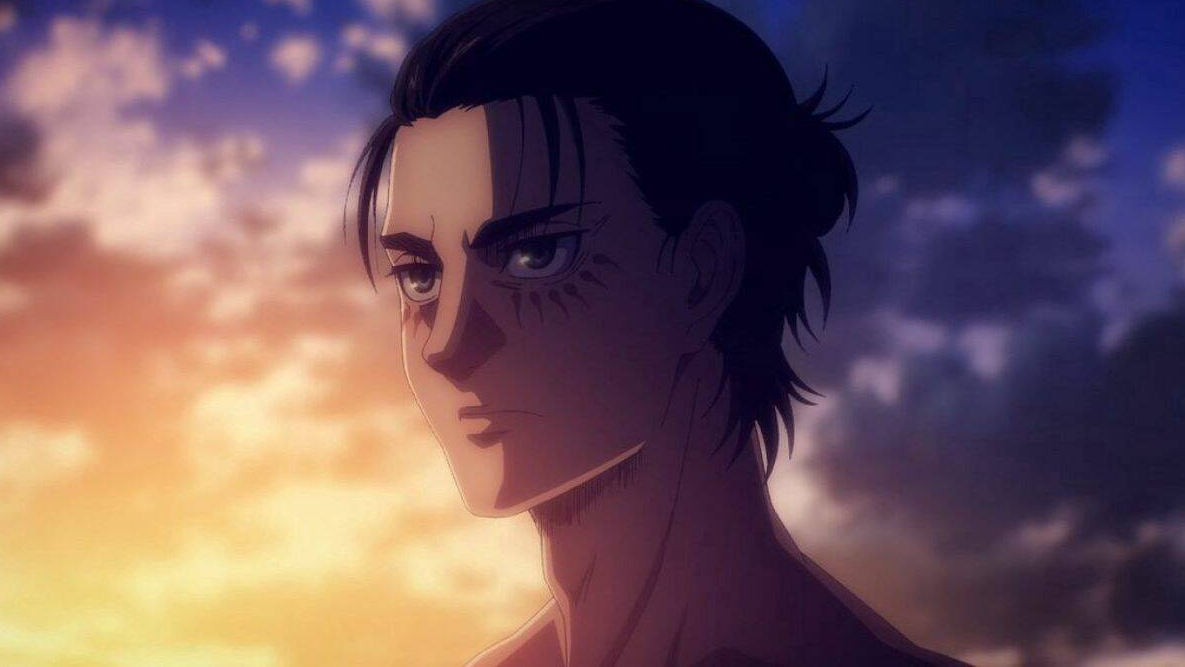
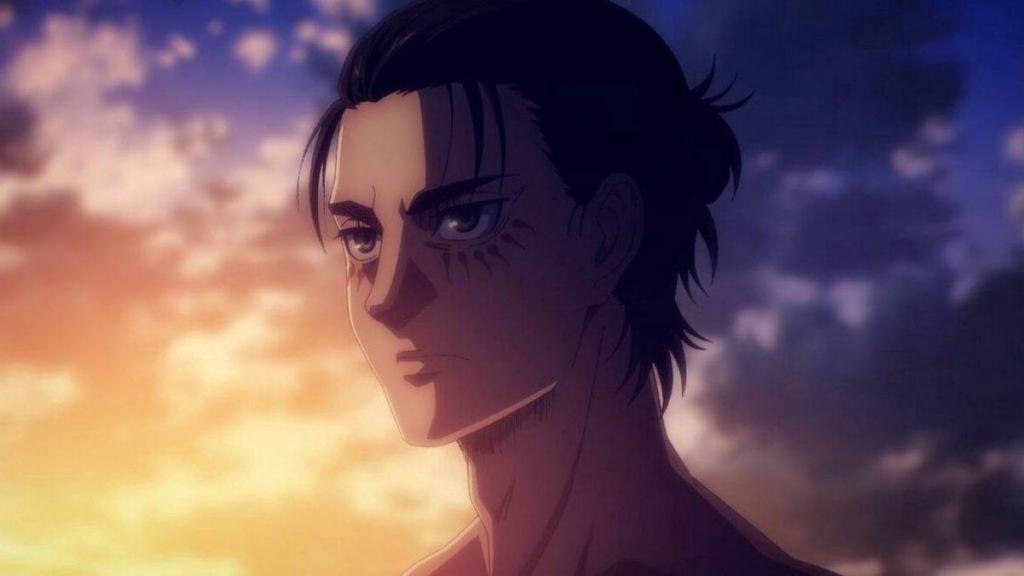
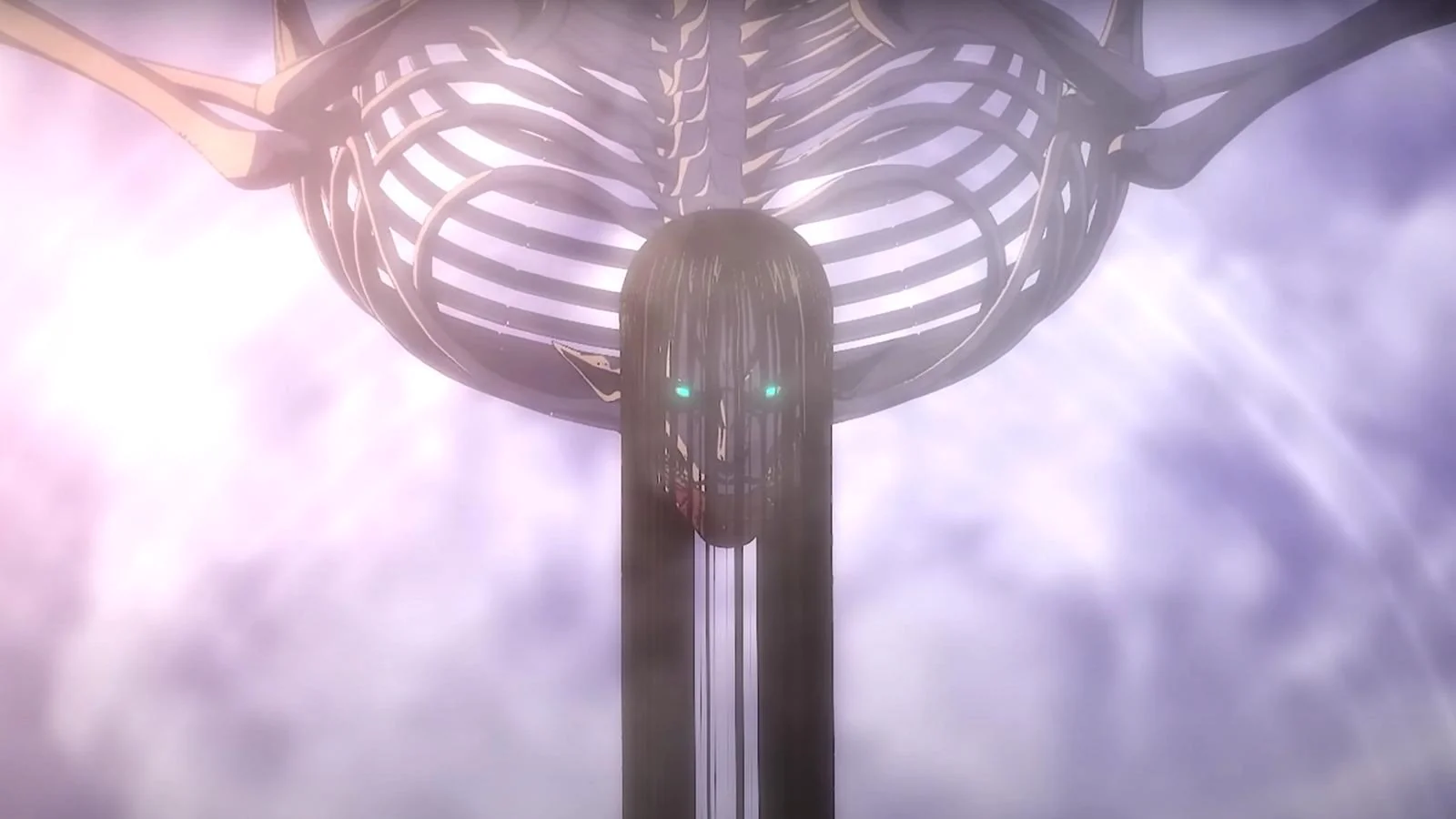
Eren Yeager (Attack on Titan)
Eren, in his final stage, decided to carry out The Rumbling: the annihilation of all life outside Paradis Island. His motivation was not power but the imperative to break the two-thousand-year cycle of hatred that condemned his people to annihilation. His view was factual: if Paradis lived, the rest of the world died; if the rest of the world lived, Paradis died. He acted under the pragmatic reason of protecting his tribe.
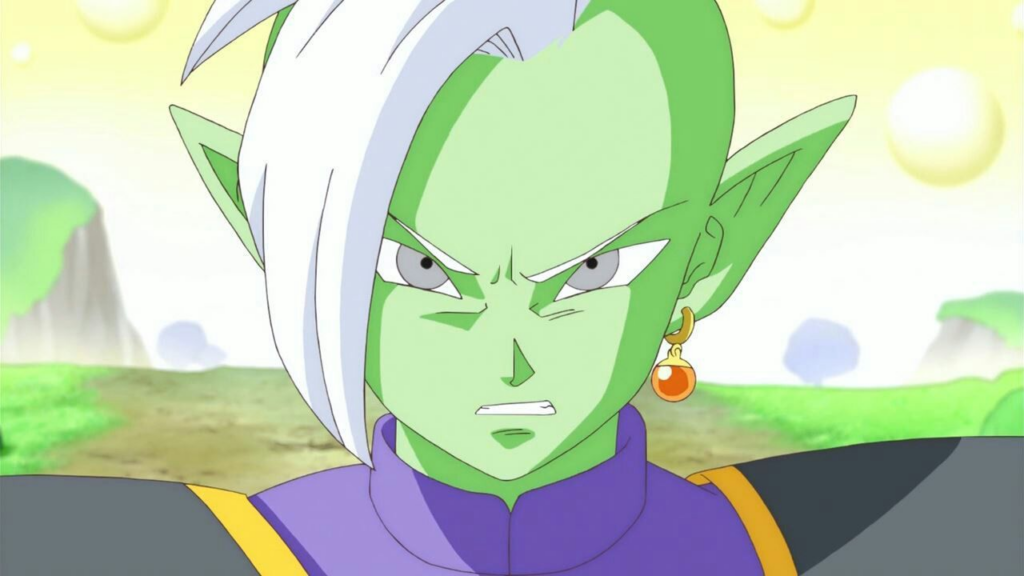
Zamasu (Dragon Ball Super)
Zamasu argued that humans were a plague contaminating the natural beauty and order of the universe. His diagnosis of humanity’s inability to use its intelligence without falling into war, pollution, and planetary destruction was undeniable. His solution, the “Zero Mortals Plan,” was extreme, but his critique of human irresponsibility was a position shared by many observing gods.
Conclusion
The tragedy of these villains lies in the purity of their intention contrasted with the corruption of their method. Recognizing that Light, Pain, or Stain were right in their analysis is not a moral justification, but an acknowledgment that anime plots often criticize societies more deeply than their antagonists.



[…] Yeager is that of a man broken by the burden of history and knowledge. He is the hero who becomes a villain not out of greed, but out of a distorted sense of duty and the conviction that only an extreme […]
[…] Fortunately, Yuusha-kei ni Shosu: Choubatsu Yuusha 9004-tai Keimu Kiroku (known in the West as Sentenced to Be a Hero) dodges this trope with surprising agility. Far from wallowing in gratuitous tragedy, the series […]