


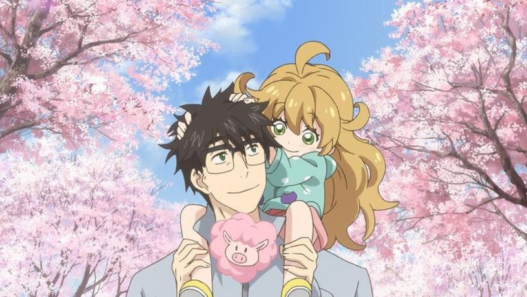





Anime is no longer mere entertainment. In fact, it is a tool for urban visualization. Scenery design, or Bijutsu, critiques our modern environments. Specifically, the works of Studio Ghibli and Makoto Shinkai influence city design.
I. Studio Ghibli: The Urbanism of Well-being and Nature
The focus of Hayao Miyazaki and his team centers on the harmony between the built environment and the natural world. This style has fostered a vision of human-centered urbanism.
Design Elements in Ghibli (Descriptive List):
- The Concept of “Ma”: This refers to the void or space in between. Because Ghibli emphasizes calm, it inspires planners to create more green zones.
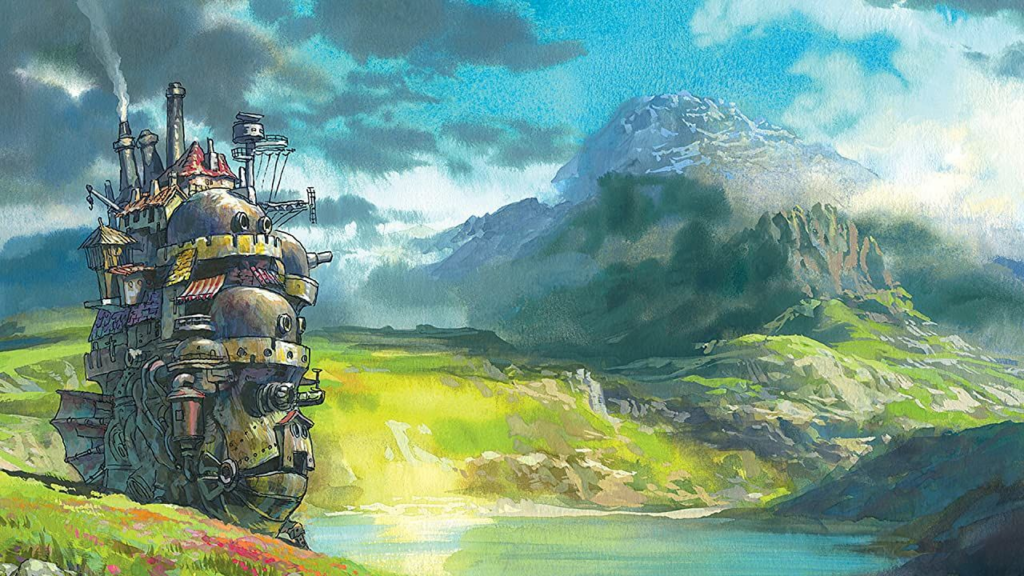
- Organic Architecture: Structures in films like Howl’s Moving Castle or My Neighbor Totoro seem to sprout from the earth. This concept resonates with the current trend of biomimetic architecture.
- Walkable Cities: Ghibli depicts towns with narrow, car-free streets. As a result, these films promote pedestrian-first urbanism.
II. Makoto Shinkai: The Poetry of Modern Infrastructure
While Ghibli looks toward nature, Makoto Shinkai embraces the contemporary metropolis. His work has changed the way citizens view the most mundane elements of a city.
The Aesthetics of the Everyday:
- Infrastructure Romanticism: Train stations and traffic lights appear beautiful through hyper-realistic lighting. This has generated a renewed interest in maintaining public services.
- Location Realism: Shinkai uses real places (such as the Suga Shrine stairs in Tokyo). This has led to “Anime Tourism” (Seichijunrei), forcing urban planners to manage and preserve these spaces as modern cultural landmarks.
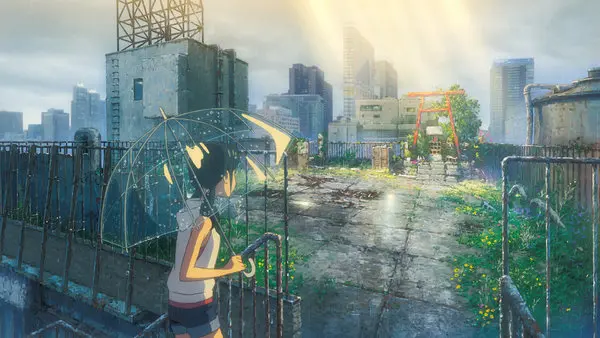
- Climate and the City: His focus on water and sky has influenced climate-resilient architecture. Indeed, this is evident following the success of Weathering With You.
III. How Does This Influence Reality?
Anime aesthetics act as an “aspirational blueprint.” When audiences become accustomed to seeing cities full of greenery or efficient and aesthetic public transport systems on screen, the demand for similar urban policies increases.
- Placemaking: Meticulous details in anime inspire the design of parks. Ultimately, these spaces seek to generate a sense of belonging.
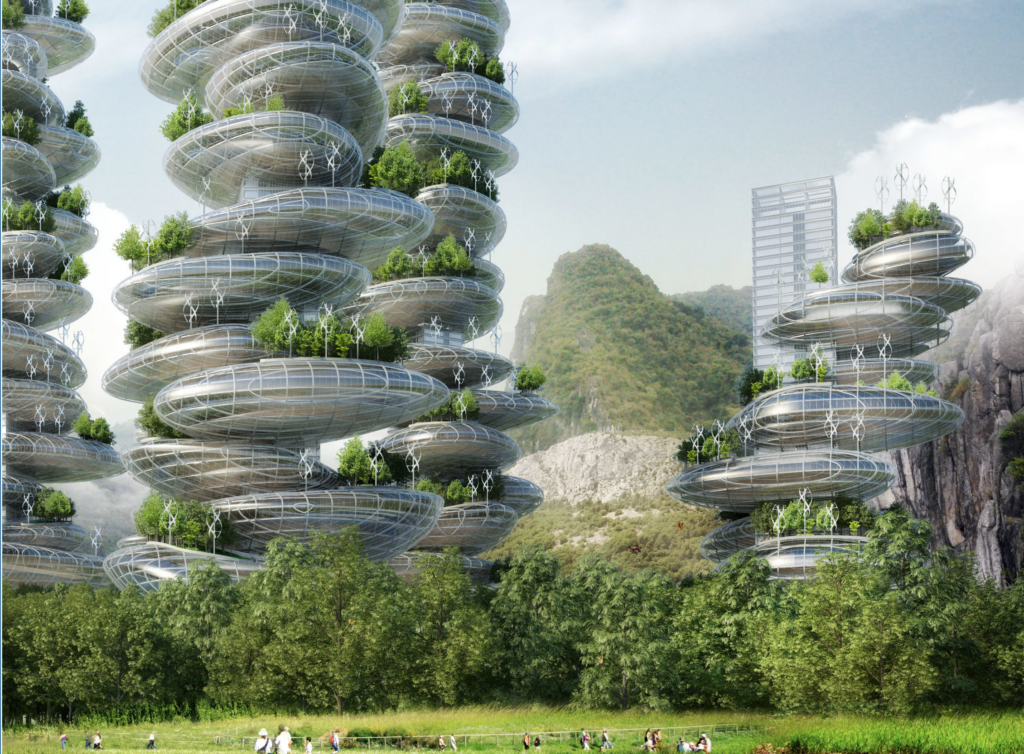
- Visual Sustainability: Anime often presents solarpunk utopias. Because these worlds show technology and plants coexisting, they facilitate green roof projects.
Conclusion
In summary, landscape design in anime is more than a background. Instead, it is a philosophical proposal for how we live. By observing the contrast between rural peace and electric glows, we find inspiration. Clearly, Japanese animation remains a key driver for the cities of tomorrow.










[…] creators, famous actors, and visual artists who showed the beauty and modern aesthetics of pop culture,,. Everyone on the internet is sharing photos and videos of the overall visual presentation because […]