


The 10 Most Influential Japanese Animation Studios and Their Masterpieces
An animation studio's influence is measured by technical innovation, cultural impact, and production quality consistency. The ten studios listed below have defined the evolution of Japanese animation (Anime) from its origin to the digital era. Their methodology and filmography set the global industry standard.
1. Pioneers and Foundations (1960 - 1980)
This stage laid the commercial and narrative foundations for modern anime.
Toei Animation
Founded in 1956, Toei is the historical backbone of the industry. Its influence lies in the massive adaptation of manga and the standardization of the long-running series format.
-
Masterpiece: Dragon Ball Z (1989). Established the template for the global action shonen genre.

Tatsunoko Production
Founded in 1962, Tatsunoko was crucial in the early export of anime. It specialized in science fiction and superhero animation.
-
Masterpiece: Gatchaman (1972). Defined the concept of the superhero team in Japanese animation.

2. Artistic Definition and Technical Excellence (1980 - 2000)
The focus shifted toward high-fidelity cinematic animation and narrative complexity.
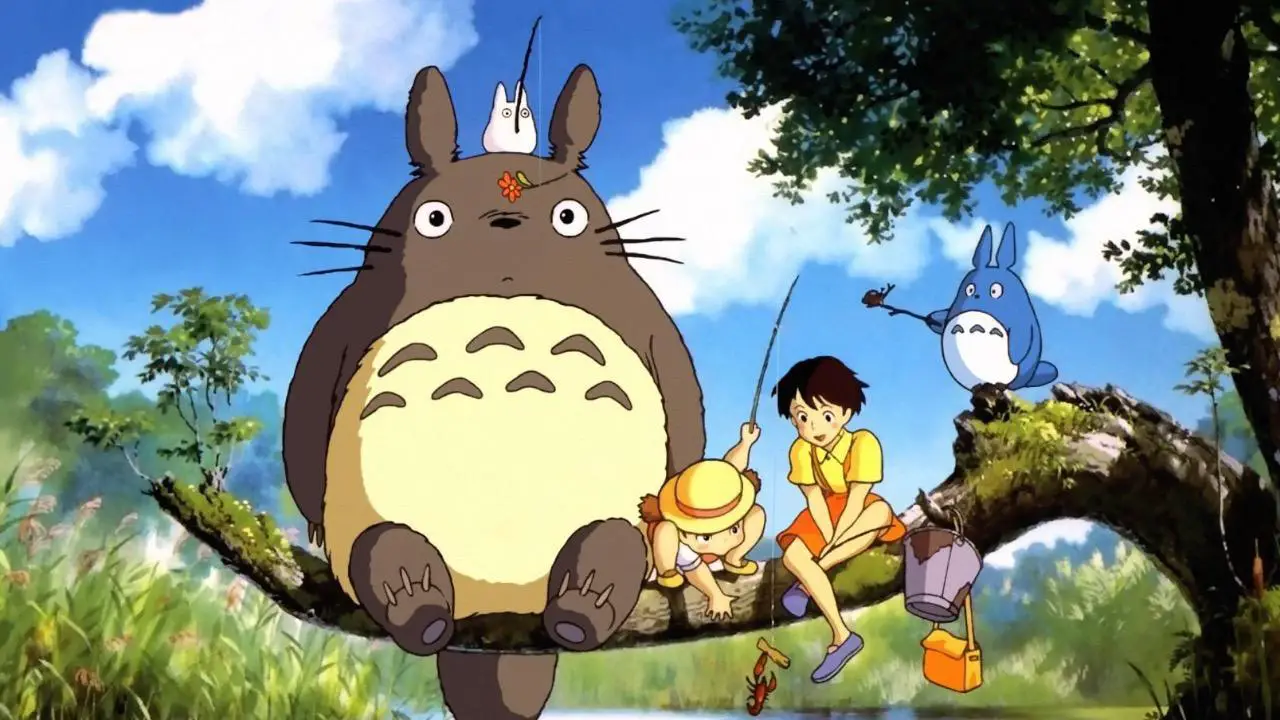
Studio Ghibli
Founded by Hayao Miyazaki and Isao Takahata, Ghibli operates exclusively in the cinematic sphere, prioritizing hand-drawn animation. Its influence is purely artistic and critical.
-
Masterpiece: Spirited Away (2001). The only anime film to win an Academy Award.

Sunrise (Now Bandai Namco Filmworks)
Founded in 1972, Sunrise is the undisputed authority in the Mecha genre. It maintains consistent production quality across multiple franchises.
-
Masterpiece: Mobile Suit Gundam (1979). Transformed mecha from a toy tie-in into a serious military drama.

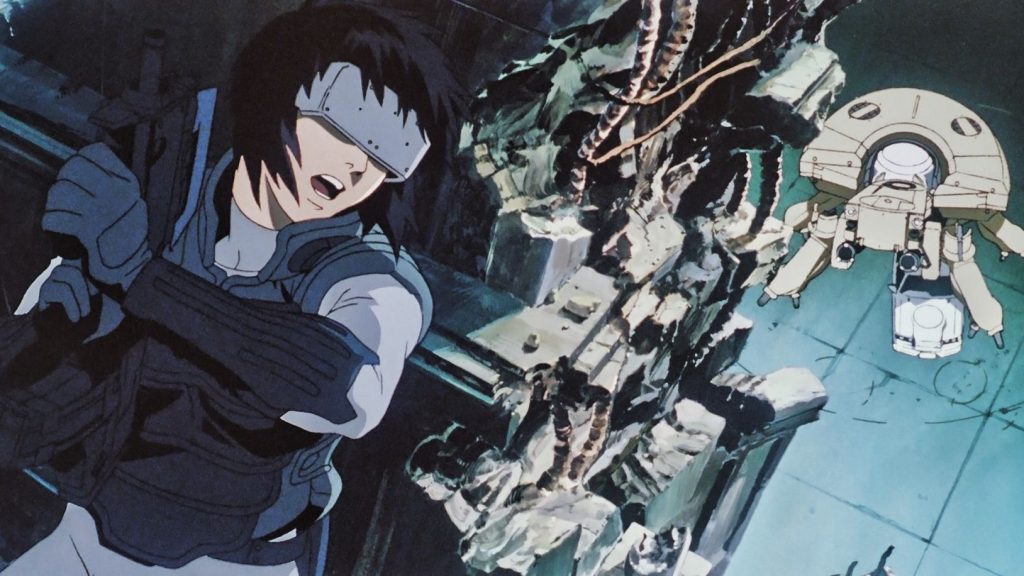
Production I.G
Known for its innovative use of digital animation and complex science fiction narratives. Its focus on fluidity and detail quickly positioned it in film.
-
Masterpiece: Ghost in the Shell (1995). A technical milestone that redefined global cyberpunk.
3. The Digital Era and Consistency (2000 - Present)
Production focuses on television animation quality and faithful adaptation of popular works.
Kyoto Animation (KyoAni)
Renowned for its visual consistency, attention to detail in character animation, and internal staff training. It set the standard for high-quality animation in TV series.
-
Masterpiece: The Melancholy of Haruhi Suzumiya (2006). Fueled the concept of the modern anime "social phenomenon."

Studio Bones
Specializes in fluid and dynamic action animation. It is characterized by giving directors creative freedom, resulting in high-quality adaptations and original works.
-
Masterpiece: Fullmetal Alchemist: Brotherhood (2009). Considered a critically perfect, canonical adaptation.

Madhouse
A studio of high versatility. Its focus on auteur directors (Satoshi Kon, Masaaki Yuasa) and its ability to switch genres demonstrate its creative influence.
-
Masterpiece: Death Note (2006). A commercial success that demonstrated the global potential of psychological thriller anime.

ufotable
Specialized in integrating traditional 2D animation with cutting-edge digital effects (CGI). It is the current benchmark for visual effects.
-
Masterpiece: Demon Slayer: Kimetsu no Yaiba (2019). Its digital combat style set a new ceiling for visual quality in TV series.
MAPPA (Maruyama Animation Produce Project Association)
A studio founded in 2011 by the co-founder of Madhouse. Its influence is based on the rapid adaptation of major action titles, maintaining high quality under demanding production schedules.
-
Masterpiece: Jujutsu Kaisen (2020). Demonstrates the capacity for fluid action adaptation, setting the current benchmark for anime blockbusters.

Conclusion
These ten studios are pillars of the industry. Their legacy resides not only in the popularity of their titles but in the implementation of production techniques and philosophies (such as KyoAni's system or ufotable's digital integration) that continue to raise the standard of global animation.
Sponsor
Categorieën
Read More
Existentialism, the school of thought that postulates that existence precedes essence and that human beings are completely free and responsible for their lives, has found a perfect visual medium in anime. Japanese animation, thanks to its narrative and visual freedom, is capable of exploring concepts from the philosophy of Sartre, Camus, and Heidegger with unparalleled rawness and style. Anime...

A Beginner's Guide: 10 Recommended Anime Series to Start With Anime is an animation medium originating from Japan. It contains a vast number of works covering multiple genres, such as action, science fiction, romance, and comedy. This wide variety of options can be difficult for a new viewer to navigate. If you are new to anime, you might ask, "Where do I begin?" Perhaps you only have...

The anime industry is a global phenomenon that generates billions of dollars through streaming, merchandising, and box office sales. However, behind this success lies an economic paradox: most of the artists who create these global hit products are remunerated with historically low wages and often work under precarious conditions. An animator's salary in Japan depends drastically on their...

The 80s and 90s were the Golden Age of Cyberpunk, a period where anime fearlessly explored the fear of technology, the omnipresence of corporations, and the merging of the human body with machines. While Akira and Ghost in the Shell are the fundamental pillars, a handful of lesser-known OVAs and films captured the essence of the genre with equal intensity, defining the neon and dystopian...
The Japanese Idol landscape has evolved dramatically. Today, stars are neither solely human nor entirely digital. The massive success of franchises like Love Live! is based on the 2.5D model, a fusion of animated characters and their real-life voice actresses. This formula would not have been possible without the precedent set by the pioneering figure of digital entertainment: Hatsune Miku. I....