

5 Psychological Horror Anime That Won't Let You Sleep
Psychological horror in anime does not depend on gore or jumpscares, but on atmosphere, the manipulation of perception, and the slow disintegration of reality. These series force the viewer to question the sanity of the characters and the world around them, generating a much more lasting existential dread. Here are five essential examples of the genre.
1. Paranoia and the Fear of Insanity
These titles use narrative ambiguity to sow doubt and anxiety, making the viewer unable to trust what they see.
1. Perfect Blue (1997)
Psychological Mechanism: Identity disintegration and voyeurism. This Satoshi Kon film explores the mental collapse of Mima Kirigoe, an idol trying to become an actress while being stalked by a fan. The line between her real life, her job, and her hallucinations completely blurs. The narrative, which uses montage and rhythm to disorient, is a masterful study of paranoia and anxiety over fame.

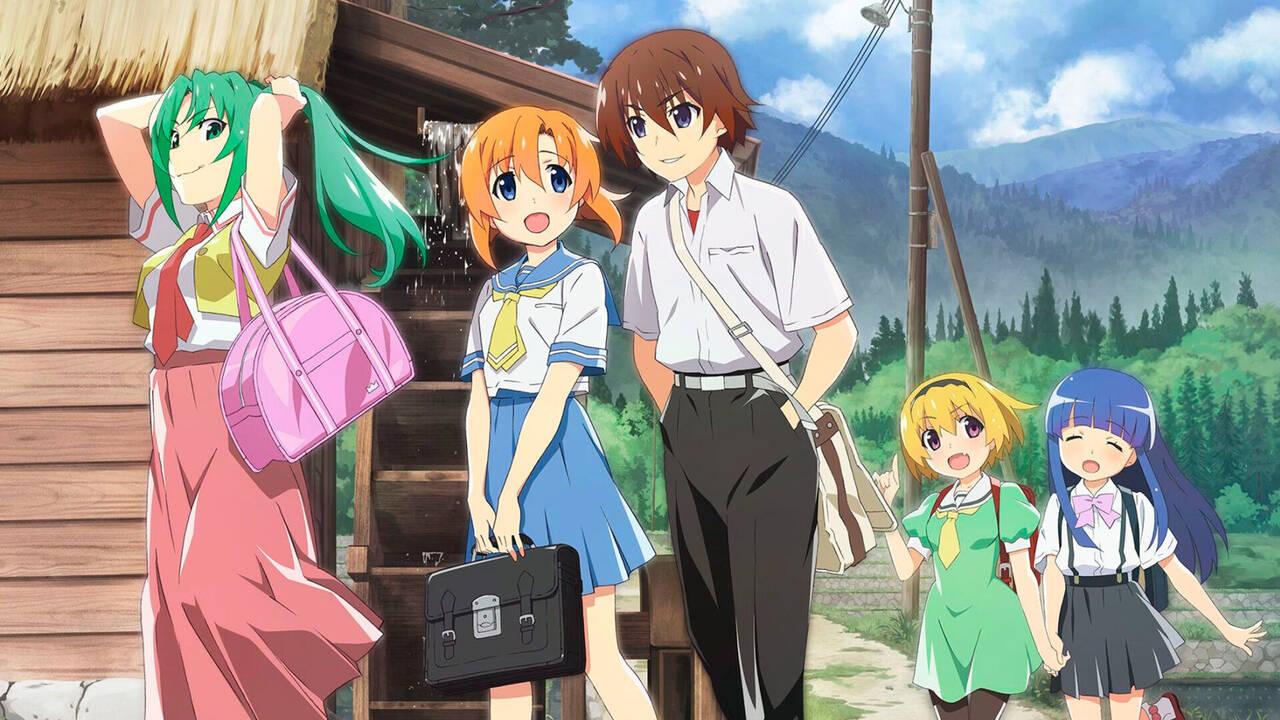
2. Higurashi no Naku Koro ni (When They Cry) (2006)
Psychological Mechanism: The cycle of distrust. Set in a quiet rural village, Higurashi uses repetitive narrative arcs where violence, madness, and murder restart. The tension comes from the characters' paranoia, who must decide if the danger comes from a curse, a conspiracy, or their own mental illness, shattering trust in the environment.
2. Slow and Existential Horror
These anime focus on the development of philosophical or social threats that manifest slowly, consuming all hope.
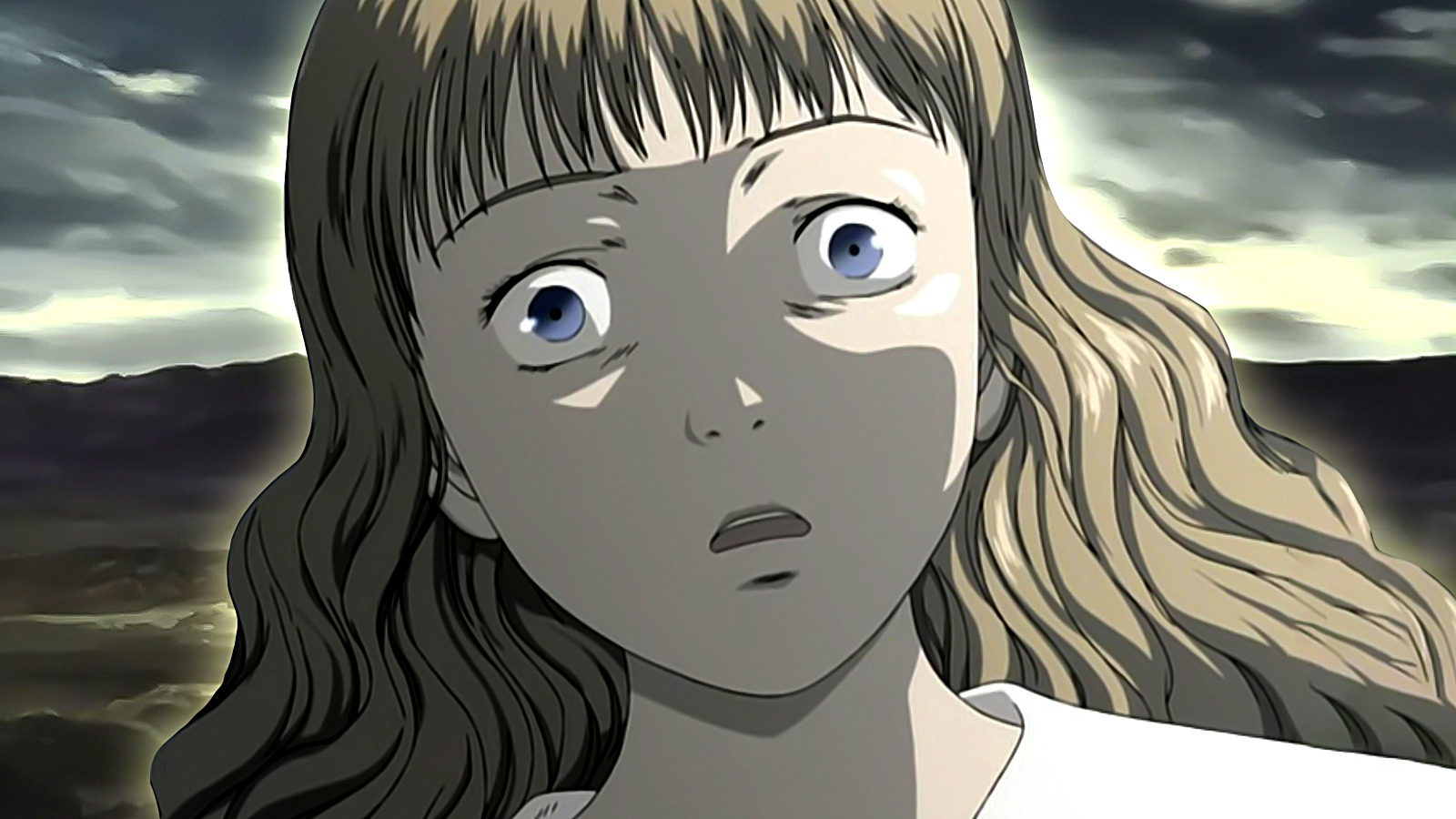
3. Monster (2004)
Psychological Mechanism: The nature of evil and nihilism. The series follows Dr. Kenzo Tenma, a neurosurgeon who saves the life of a boy who grows up to become the perfect sociopath, Johan Liebert. The threat here is not supernatural, but philosophical: can absolute evil exist and be undetectable? The fear is the slow recognition that Johan is a black hole that morally corrupts everyone he touches.
4. Shiki (2010)
Psychological Mechanism: The fear of social infection and moral warfare. A deadly and mysterious epidemic strikes an isolated rural village. As deaths mount, the story focuses less on the "vampires" and more on collective paranoia and the morally questionable response of the humans. The series is terrifying because it turns the villagers into the true monsters, exposing the fragility of social ethics.
3. The Curse and the Mystery
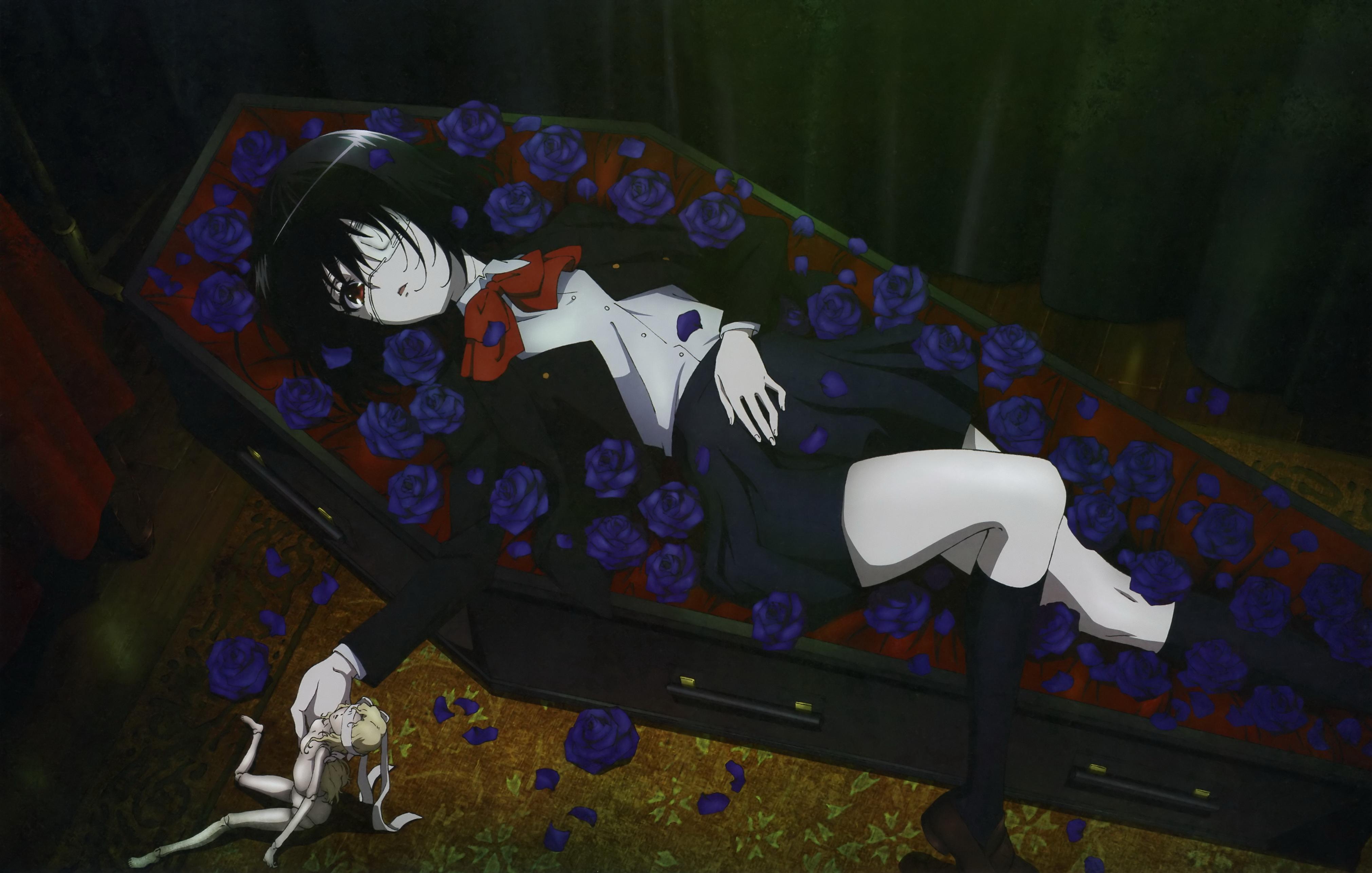
5. Another (2012)
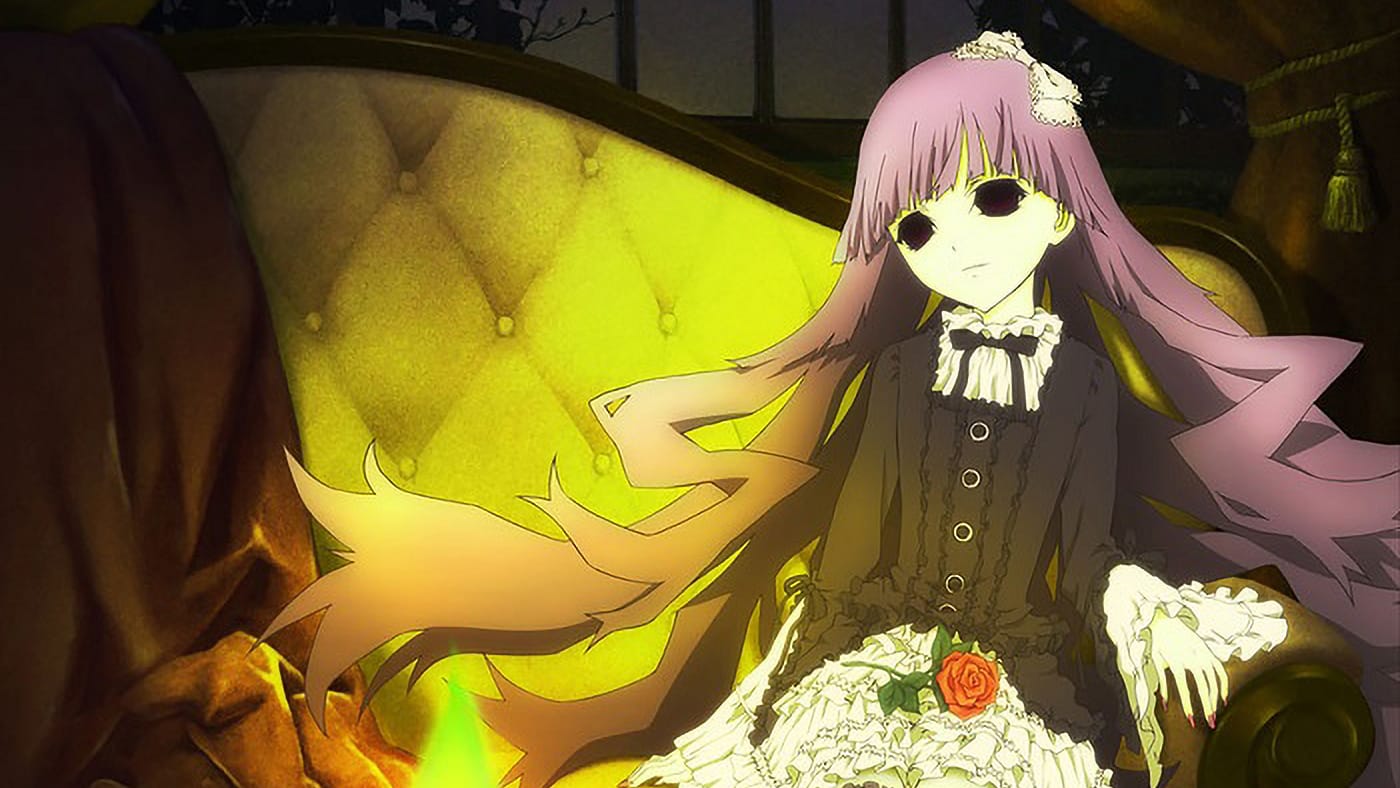
Psychological Mechanism: Anxiety over the inevitable. In class 3-3 of Yomiyama School, a "curse" causes students and their relatives to die in brutal and random ways. The psychological terror comes from the constant anxiety of knowing that someone in the class is "the dead one," but without knowing who. The need to isolate a classmate and the pressure to discover the truth generate an atmosphere of relentless fear and uncertainty.

Conclusion
The psychological horror of these anime does not lie in what they show, but in what they force the viewer's mind to imagine. By manipulating identity, paranoia, and the concept of reality, these works achieve a level of terror that lingers long after the screen goes dark.
Προωθημένο
Κατηγορίες
Διαβάζω περισσότερα
The Mahō Shōjo (Magical Girl) genre is one of the pillars of anime and manga, with a history spanning over half a century. What began as a childlike concept of costumes and wishes has transformed into a complex genre capable of exploring themes of sacrifice, despair, and nihilism. The trajectory of this genre can be divided into distinct eras, marked by two main narrative milestones: the...

The anime industry is a global phenomenon that generates billions of dollars through streaming, merchandising, and box office sales. However, behind this success lies an economic paradox: most of the artists who create these global hit products are remunerated with historically low wages and often work under precarious conditions. An animator's salary in Japan depends drastically on their...
Psychological horror in anime does not depend on gore or jumpscares, but on atmosphere, the manipulation of perception, and the slow disintegration of reality. These series force the viewer to question the sanity of the characters and the world around them, generating a much more lasting existential dread. Here are five essential examples of the genre. 1. Paranoia and the Fear of...
'Zenless Zone Zero' Review (2025): Is This the Next Big "Anime-Gacha" Hit? When Zenless Zone Zero (ZZZ) launched in July 2024, the question on everyone's mind was whether HoYoverse (the creators of Genshin Impact) could strike gold a third time. Expectations were incredibly high. Now, almost a year and a half later in November 2025, we can look back and answer that question. ZZZ is not...
Definitive Guide: JoJo's Bizarre Adventure Watch Order (Complete Timeline) JoJo's Bizarre Adventure is one of the most influential franchises in the history of manga and anime. Written by Hirohiko Araki, the series is distinguished by an unusual narrative structure: instead of following a single protagonist, the story is divided into "Parts." Each Part features a new protagonist...