
The Isekai Genre: Why It's Saturated and the Hidden Gems That Break the Mold
The Isekai (異世界, "another world") genre is the undisputed king of modern anime. Its premise—a protagonist is transported or reincarnated into a fantasy world—offers limitless escapism. However, its success has led to market saturation, where most series repeat a formula that now feels exhausted.
I. Why Does the Isekai Formula Feel Saturated?
The rapid production of Isekai relies on a set of tropes that guarantee initial viewer engagement but often sacrifice narrative quality.
Common Clichés and Flaws (List):
-
OP (Overpowered) Isekai Protagonist: The hero immediately receives abilities that make them invincible. They never face real risk or have to struggle for survival.
-
The "Harem Factor": The indistinct male protagonist is immediately surrounded by a group of female characters who exist primarily to admire him.
-
Generic Setting: The world is a copy of medieval European fantasy with an RPG video game interface (status screens, levels). The world-building doesn't extend beyond convention.
-
Lack of Consequences: Challenges are trivial, or the protagonist has a "reset" ability that eliminates the fear of death or failure (unlike Re:Zero).
II. The 5 Hidden Gems That Break the Mold
The best Isekai series use the transportation to another world not as a shortcut, but as a tool to explore complex themes, psychology, or subvert expectations.
1. Re:Zero - Starting Life in Another World (Re:Zero kara Hajimeru Isekai Seikatsu)
-
Mold Break: Subversion of the OP protagonist.
-
Unique Twist: Subaru receives no strength or magic, but the ability "Return by Death." This is not a blessing; it is a curse. The series focuses on the psychological trauma and physical pain he must endure to learn from his mistakes, making conflict and consequences real and brutal.

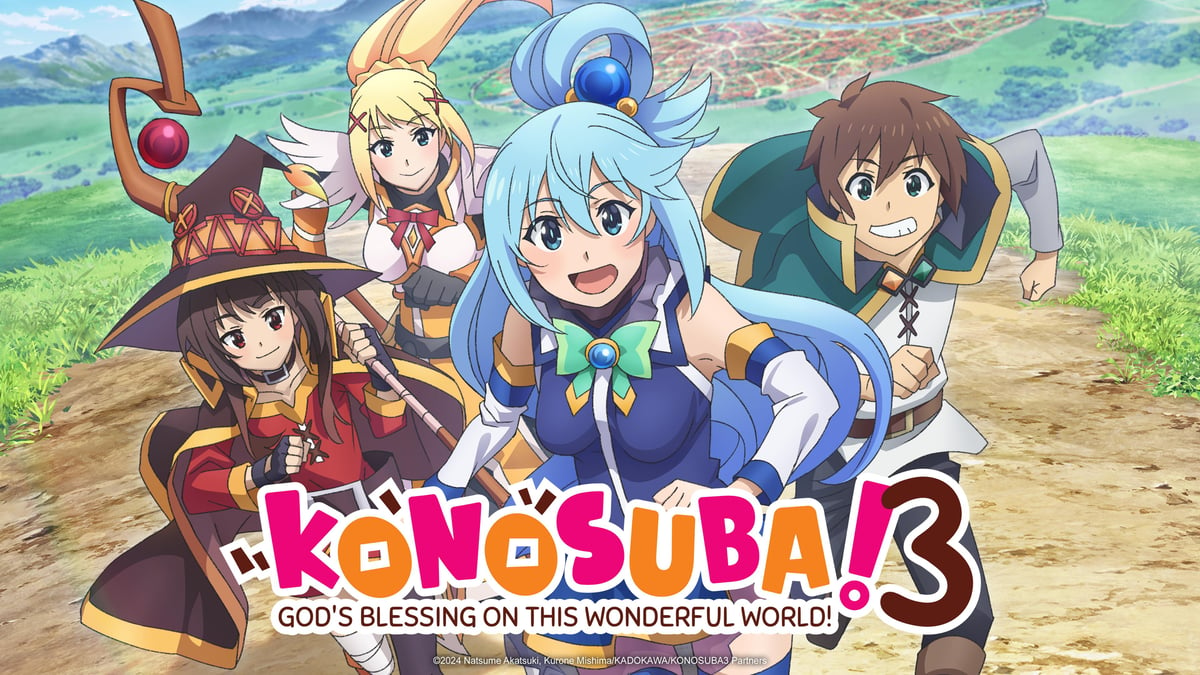
2. KonoSuba - God's Blessing on This Wonderful World!
-
Mold Break: Subversion of the adventure party.
-
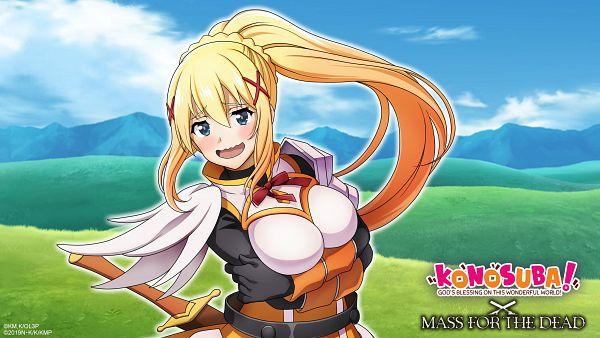
Unique Twist: Instead of an OP group, the protagonist Kazuma ends up with a hilariously useless team: an incompetent goddess (Aqua), an explosion-addicted mage (Megumin), and a masochistic crusader (Darkness). It is a brilliant parody that uses Isekai conventions for comedy.
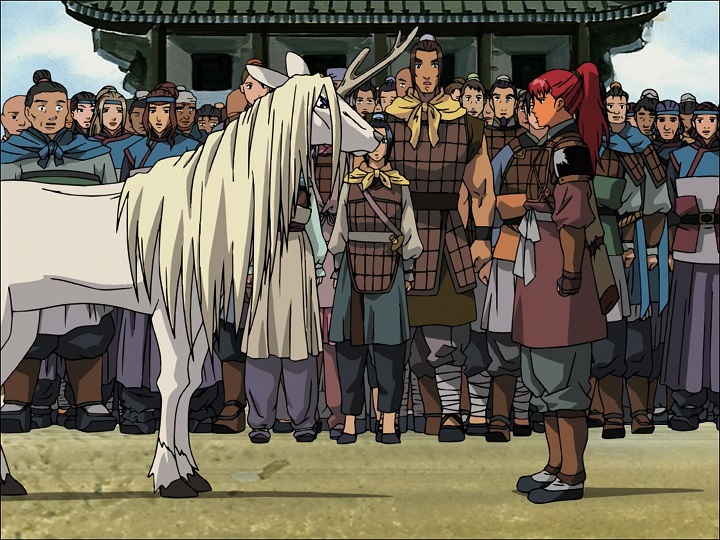
3. The Twelve Kingdoms (Juuni Kokuki)
-
Mold Break: Deep political and cultural realism.
-
Unique Twist: A mature fantasy series focusing on political complexity, social structure, and true character growth. The protagonist is suddenly thrust into a Chinese-inspired mythological world and must navigate court intrigue and the harsh realities of governance without relying on cheat skills.
4. Ascendance of a Bookworm (Honzuki no Gekokujou)
-
Mold Break: Low-magic, focus on technology and class struggle.
-
Unique Twist: A mature fantasy series with a slice of life focus on low magic, where survival is based on economics and innovation. The protagonist, Myne, reincarnates with only one desire: to read books, forcing her to build printing technology from scratch in an oppressive class society.

5. Saga of Tanya the Evil (Youjo Senki)
-
Mold Break: Antagonistic protagonist and military conflict.
-
Unique Twist: The protagonist, Tanya Degurechaff, is the reincarnation of a Japanese atheist salaryman who finds himself fighting in a magical world war as a ruthless, genius little girl. The series explores the ethics of conflict and the struggle against a deity with a tone of military realism.
format(webp))
III. Conclusion
The problem with the Isekai genre is not the premise, but the lack of imagination. The series that succeed, whether through psychological horror (Re:Zero), pure comedy (KonoSuba), or political drama (The Twelve Kingdoms), are those that use the transfer to another world as a catalyst to explore complex themes, rather than using it as an excuse for an empty power fantasy.
Sponsored
Categories
Read More
Your Favorite Anime Just Ended? A Beginner's Guide on How (and Where) to Start Reading Manga You've finished the latest season of your favorite anime. The solution is simple: read the manga. The manga is the original source material for most anime, and in almost every case, the story is much further ahead than the animated adaptation. But this raises three key questions for a beginner:...
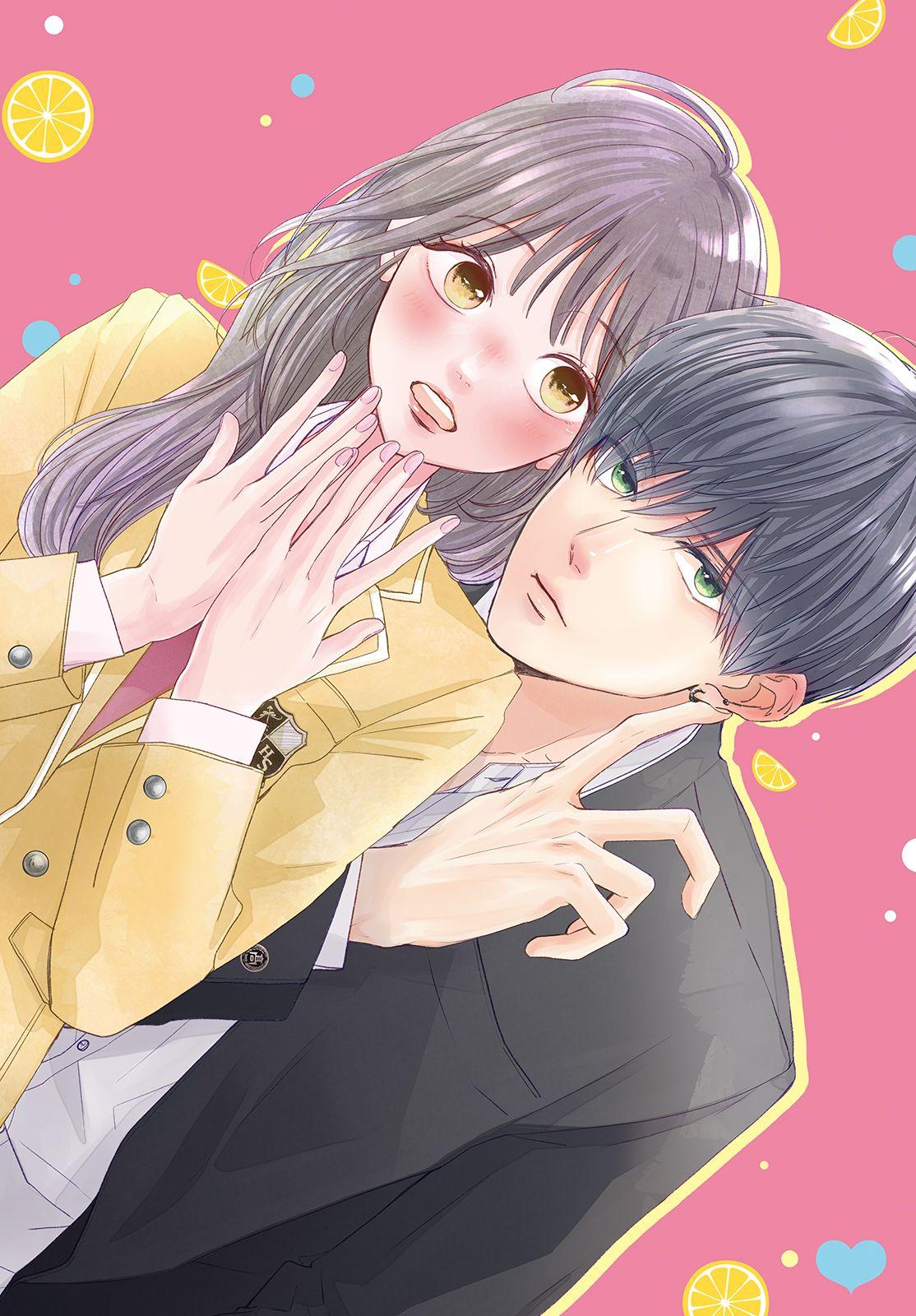
The "window seat and last row" trope is a near-universal visual convention in the school anime genre (slice of life and shonen). The protagonist, often an introverted, melancholic character or the "chosen one," is invariably positioned in the far right corner of the classroom. This placement is not random; it is a deliberate choice dictated by visual composition, narrative necessity, and...
This is the "Eternal War" of anime fandom. The "Subs vs. Dubs" debate has raged since anime first became popular in the West. Both formats (subs and dubs) not only have value but are critical to the global health and growth of the anime industry. An informed, modern fan understands when and why to use each. Subs vs. Dubs: Why Both Have Value The oldest "Fandom War" is the choice of how to...

The Isekai (異世界, "another world") genre is the undisputed king of modern anime. Its premise—a protagonist is transported or reincarnated into a fantasy world—offers limitless escapism. However, its success has led to market saturation, where most series repeat a formula that now feels exhausted. I. Why Does the Isekai Formula Feel Saturated? The rapid production of Isekai relies on...
The “curse of video game adaptations” is a real phenomenon. For decades, most anime based on video games were, at best, 20‑minute commercials and, at worst, rushed adaptations that stripped away everything that made the original great. But that has changed. In the modern era of streaming, creators have had the freedom to take the lore and world of a video game and build something...