How 'Sailor Moon' Created the Modern "Magical Girl" (Mahou Shoujo) Template
How 'Sailor Moon' Created the Modern "Magical Girl" Template
The "Magical Girl" (Mahou Shoujo) genre is one of the oldest and most recognizable in anime. When most people think of it today, they imagine a group of teenage girls in colorful outfits, elaborate transformation sequences ("henshin"), and special attacks to defeat a monster.
That image, however, was not always the standard.
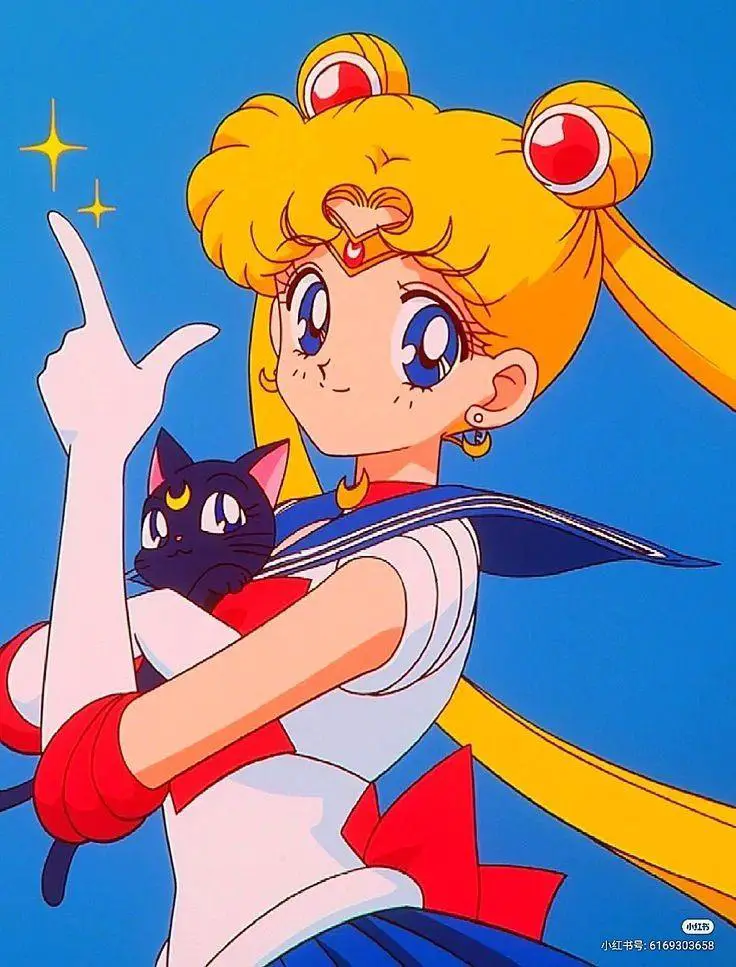
For decades, the genre was very different. It was the arrival of Naoko Takeuchi's Sailor Moon in 1991 (and its 1992 anime adaptation) that permanently redefined what it meant to be a "magical girl." Sailor Moon did not invent the genre, but it created the modern "Magical Girl Warrior" template.
The "Mahou Shoujo" Genre Before 'Sailor Moon'
Before Sailor Moon, the magical girl genre (started by series like Himitsu no Akko-chan in the 60s) followed a different formula.
-
Solo Protagonist: The story almost always focused on one girl (not a team).
-
Magic for Everyday Problems: Magic was not used for combat. It was used to solve personal or social problems.
-
Classic Examples:
-
Creamy Mami (1983): A young girl uses magic to transform into a teen pop idol.
-
Minky Momo (1982): A magical princess uses her powers to help people regain their hopes and dreams.
-
These protagonists didn't fight monsters; they used their abilities for self-improvement, helping others, or living a double life.
The Revolution: Fusing with 'Super Sentai'

Naoko Takeuchi's key innovation was fusing the "magical girl" aesthetic with a completely different genre that was popular with boys: "Super Sentai" (the Japanese franchise that Power Rangers adapted).
The Super Sentai format is based on:
-
A team of (usually) five heroes.
-
Color-coded costumes.
-
A transformation sequence ("henshin").
-
Fighting a "monster of the week" sent by an evil organization.
-
A combined attack or final weapon to defeat the monster.
Sailor Moon took this Super Sentai action template and applied it to a female cast, creating the "Magical Girl Warrior" subgenre.
The 4 Elements 'Sailor Moon' Standardized
Sailor Moon established a set of tropes that became the standard template for nearly every magical girl series that came after.
1. The Team of Girls ("Sentai")
Usagi (Sailor Moon) was not alone. She was quickly joined by Ami (Mercury), Rei (Mars), Makoto (Jupiter), and Minako (Venus). This five-member team format, with distinct personalities and elemental powers, was a direct import from Sentai.
2. Magic for Combat
For the first time, magic was explicitly for fighting. The girls' powers weren't for becoming idols or helping with homework; they were weapons. "Moon Tiara Action" and "Fire Soul" were combat attacks designed to destroy enemies.
3. The Transformation Sequence (Henshin)
While transformations existed before, Sailor Moon turned them into a genre staple. The elaborate (and long) "Henshin" sequences became a requirement. They were necessary to change from "civilian mode" to "warrior mode."
4. The Mascot Guide and the Male Ally
Sailor Moon also standardized two key support characters:
-
The Mascot: Luna, the talking cat, who serves as a mentor, guide, and the one who delivers the transformation items (a trope later seen in Cardcaptor Sakura with Keroberos and in Madoka Magica with Kyubey).
-
The Male Ally: Tuxedo Mask, the mysterious male ally who appears to offer help or advice (an archetype repeated in many later series).
The Legacy: 'Precure', 'Madoka Magica', and the New Standard
The success of Sailor Moon was so massive that its "magical girl warrior" template became the gold standard.
-
Pretty Cure (Precure): This massive franchise is the most direct spiritual descendant of Sailor Moon, focusing on teams of girls who use transformations to physically fight evil.
-
Puella Magi Madoka Magica (2011): This series is famous for "deconstructing" the genre. However, the deconstruction is only effective because the audience already perfectly understands the template Sailor Moon created (the cute mascot, the transformations, the promise of power). Madoka Magica subverts the expectations that Sailor Moon established.
Conclusion
Sailor Moon did not invent the magical girl, but she gave her the modern form. She took a genre based on social fantasy and turned it into an action-superhero genre.
Every "magical girl warrior" series that came after, from Cardcaptor Sakura to Madoka Magica, operates using the template that Sailor Moon established over thirty years ago.
Sponsored
Categories
Read More
The "window seat and last row" trope is a near-universal visual convention in the school anime genre (slice of life and shonen). The protagonist, often an introverted, melancholic character or the "chosen one," is invariably positioned in the far right corner of the classroom. This placement is not random; it is a deliberate choice dictated by visual composition, narrative necessity, and...
What is "Miku Day"? Celebrating the Music and Legacy of the World's Favorite Virtual Singer Every March 9th, the global anime and music community celebrates "Miku Day." It is a day dedicated to celebrating the music, art, and cultural impact of Hatsune Miku. Unlike an official anniversary or holiday, Miku Day is a celebration created and maintained by fans. Its origin is a simple...
Loved 'Jujutsu Kaisen'? 5 Other Dark Supernatural Anime You Need to See Next Jujutsu Kaisen has redefined modern action anime. Its popularity comes from a specific combination: a modern world threatened by supernatural horrors (Curses), a well-defined power system (Cursed Energy), and fluid, cinematic combat animation from studio MAPPA. If you finished the latest season and are looking...
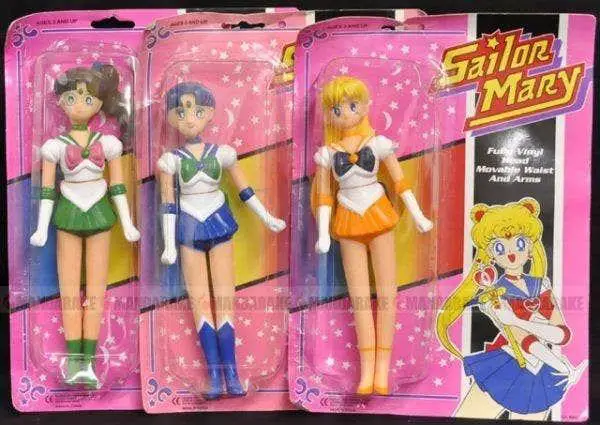
The anime figure market is saturated with counterfeits, technically known as "bootlegs." These illegal copies fail quality controls, use inferior materials (toxic or unstable PVC), and lack resale value. Identifying a counterfeit requires a technical inspection of four key factors: packaging, licensing seals, material quality, and market price. 1. The Authenticity Seal (Holograms) The...
A Beginner's Guide: 10 Recommended Anime Series to Start With Anime is an animation medium originating from Japan. It contains a vast number of works covering multiple genres, such as action, science fiction, romance, and comedy. This wide variety of options can be difficult for a new viewer to navigate. If you are new to anime, you might ask, "Where do I begin?" Perhaps you only have...