





The Isekai (異世界, “another world”) genre is the undisputed king of modern anime. Its premise—a protagonist is transported or reincarnated into a fantasy world—offers limitless escapism. However, its success has led to market saturation, where most series repeat a formula that now feels exhausted.
I. Why Does the Isekai Formula Feel Saturated?
The rapid production of Isekai relies on a set of tropes that guarantee initial viewer engagement but often sacrifice narrative quality.
Common Clichés and Flaws (List):
- OP (Overpowered) Isekai Protagonist: The hero immediately receives abilities that make them invincible. They never face real risk or have to struggle for survival.
- The “Harem Factor”: The indistinct male protagonist is immediately surrounded by a group of female characters who exist primarily to admire him.
- Generic Setting: The world is a copy of medieval European fantasy with an RPG video game interface (status screens, levels). The world-building doesn’t extend beyond convention.
- Lack of Consequences: Challenges are trivial, or the protagonist has a “reset” ability that eliminates the fear of death or failure (unlike Re:Zero).
II. The 5 Hidden Gems That Break the Mold
The best Isekai series use the transportation to another world not as a shortcut, but as a tool to explore complex themes, psychology, or subvert expectations.
1. Re:Zero – Starting Life in Another World (Re:Zero kara Hajimeru Isekai Seikatsu)
- Mold Break: Subversion of the OP protagonist.
- Unique Twist: Subaru receives no strength or magic, but the ability “Return by Death.” This is not a blessing; it is a curse. The series focuses on the psychological trauma and physical pain he must endure to learn from his mistakes, making conflict and consequences real and brutal.

2. KonoSuba – God’s Blessing on This Wonderful World!
- Mold Break: Subversion of the adventure party.
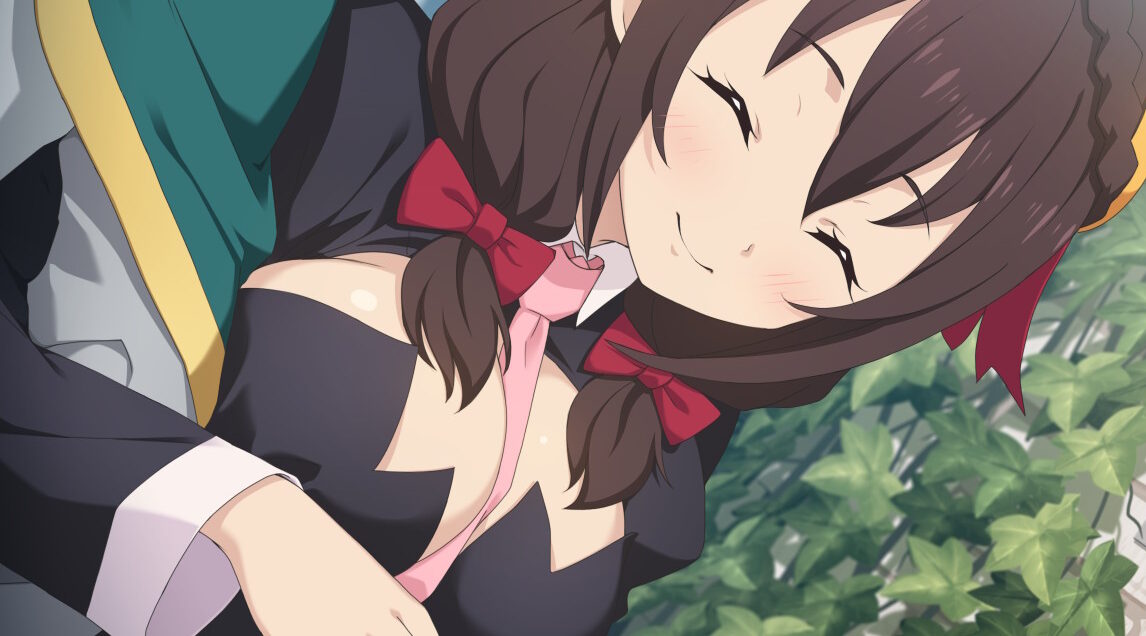
- Unique Twist: Instead of an OP group, the protagonist Kazuma ends up with a hilariously useless team: an incompetent goddess (Aqua), an explosion-addicted mage (Megumin), and a masochistic crusader (Darkness). It is a brilliant parody that uses Isekai conventions for comedy.

3. The Twelve Kingdoms (Juuni Kokuki)
- Mold Break: Deep political and cultural realism.
- Unique Twist: A mature fantasy series focusing on political complexity, social structure, and true character growth. The protagonist is suddenly thrust into a Chinese-inspired mythological world and must navigate court intrigue and the harsh realities of governance without relying on cheat skills.

4. Ascendance of a Bookworm (Honzuki no Gekokujou)
- Mold Break: Low-magic, focus on technology and class struggle.
- Unique Twist: A mature fantasy series with a slice of life focus on low magic, where survival is based on economics and innovation. The protagonist, Myne, reincarnates with only one desire: to read books, forcing her to build printing technology from scratch in an oppressive class society.

5. Saga of Tanya the Evil (Youjo Senki)
- Mold Break: Antagonistic protagonist and military conflict.
- Unique Twist: The protagonist, Tanya Degurechaff, is the reincarnation of a Japanese atheist salaryman who finds himself fighting in a magical world war as a ruthless, genius little girl. The series explores the ethics of conflict and the struggle against a deity with a tone of military realism.

III. Conclusion
The problem with the Isekai genre is not the premise, but the lack of imagination. The series that succeed, whether through psychological horror (Re:Zero), pure comedy (KonoSuba), or political drama (The Twelve Kingdoms), are those that use the transfer to another world as a catalyst to explore complex themes, rather than using it as an excuse for an empty power fantasy.