Guide: The Difference Between Shonen, Shojo, and Seinen in Anime
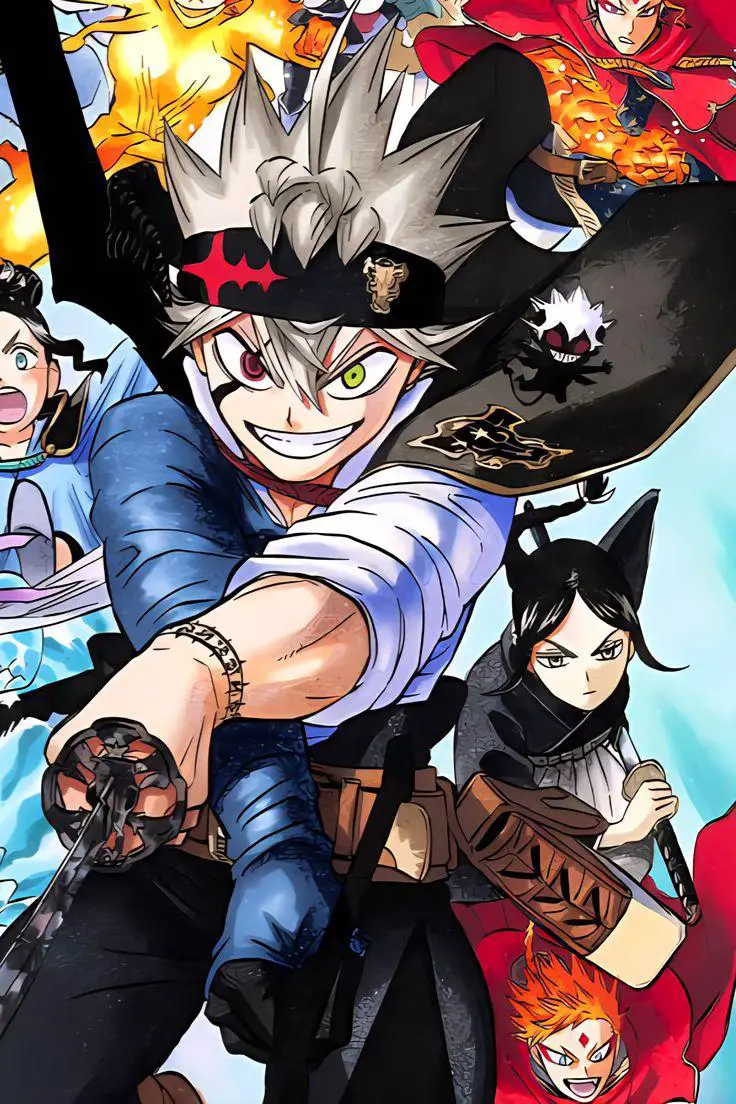
A Beginner's Guide to Anime Demographics: What's the Difference Between Shonen, Shojo, and Seinen?
When you explore anime, you will quickly encounter terms like "Shonen," "Shojo," and "Seinen." Many people assume these are genres, like "Action" or "Comedy."
This is incorrect.
These terms do not describe the type of content. They describe the target audience that the original manga (Japanese comic) was aimed at.
Understanding this distinction is the most important step in navigating the anime catalog. A "Shonen" can be a comedy, an action series, or a horror series, but they are all published in magazines aimed at the same demographic group.
This guide will define the three most important demographics (Shonen, Shojo, Seinen) and others you should also know.
Key Clarification: Genre vs. Demographic
-
Genre: Describes the story's content. Examples: Comedy, Romance, Science Fiction, Horror, Slice of Life.
-
Demographic: Describes the original manga's target audience, usually by age and gender.
Anime inherits the demographic of the manga it adapts. For example, One Piece (a manga about pirates) and Haikyuu!! (a manga about volleyball) are different genres (Adventure and Sports), but both are Shonen because they were published in the same magazine, Weekly Shonen Jump, which is aimed at teenage boys.
Shonen (少年) Explained
Shonen literally means "boy" in Japanese.
-
Primary Target Audience: Teenage boys, approximately 12 to 18 years old.
-
Common Themes: This is the most popular demographic worldwide. Stories often focus on a male protagonist who is pursuing a goal. Recurring themes include self-improvement, the importance of friendship, training, competition, and battles (physical or strategic).
-
Classic Shonen Examples:
-
Dragon Ball
-
One Piece
-
Naruto
-
Demon Slayer (Kimetsu no Yaiba)
-
My Hero Academia
-
Jujutsu Kaisen
-
Shojo (少女) Explained

Shojo literally means "young girl" in Japanese.
-
Primary Target Audience: Teenage girls, approximately 12 to 18 years old.
-
Common Themes: Shojo stories tend to focus more on interpersonal relationships and emotional development. Romance is a very frequent theme, but the demographic also includes drama, comedy, and fantasy. The art style is often more stylized and focuses on the characters' emotional expressions.
-
Classic Shojo Examples:
-
Sailor Moon
-
Fruits Basket
-
Toradora!
-
Kimi ni Todoke (From Me to You)
-
Ouran High School Host Club
-
Seinen (青年) Explained

Seinen literally means "youth" or "young adult" in Japanese.
-
Primary Target Audience: Adult men, 18 years and older.
-
Common Themes: Being aimed at a mature audience, Seinen series can and often do explore more complex themes. This includes psychological plots, moral dilemmas, politics, graphic violence, and more explicit content. The stories do not always have happy endings, and the protagonists are often morally ambiguous.
-
Classic Seinen Examples:
-
Berserk
-
Vinland Saga
-
Monster
-
Psycho-Pass
-
Ghost in the Shell
-
Other Important Demographics
Although Shonen, Shojo, and Seinen are the most well-known, two others complete the picture:
Josei (女性)

-
Meaning: "Woman."
-
Target Audience: Adult women, 18 years and older.
-
Common Themes: This is the female equivalent of Seinen. The stories address the experiences of adult women, including more realistic and mature romantic relationships, professional life, and the challenges of adulthood.
-
Examples: Chihayafuru, Princess Jellyfish, NANA.
Kodomomuke (子供向け)

-
Meaning: "Aimed at children."
-
Target Audience: Young children, under 12 years old.
-
Common Themes: Simple stories, with clear moral lessons and a light, comedic tone. The main goal is entertainment and, often, selling merchandise.
-
Examples: Pokémon, Hamtaro, Doraemon.
Why Demographics Can Be Confusing
The confusion is normal because demographics are not strict rules about content.
-
A Shonen can have very dark themes (Attack on Titan was published in a Shonen magazine, despite its violence).
-
A Seinen can be a light comedy (K-On! was published in a Seinen magazine).
-
Many girls enjoy Shonen, and many boys enjoy Shojo.
Conclusion
Do not use these demographics as a limitation, but as a guide. Understanding if a series is Shonen, Shojo, or Seinen gives you a clue about the original audience it was designed for and the themes it will probably explore.
The best strategy is to read the series synopsis, identify its genre (Action, Romance, etc.), and then use the demographic as additional context.
Sponsored
Categories
Read More
The success of an anime in Japan is historically measured by Blu-ray/DVD sales and broadcast ratings. Global success, however, is measured by international licensing, streaming sales, and long-term cultural influence. The seven series below are primary examples of how low domestic reception was offset by an explosion of popularity in the West. 1. The Adult Swim Phenomenon (The Ratings...
The "window seat and last row" trope is a near-universal visual convention in the school anime genre (slice of life and shonen). The protagonist, often an introverted, melancholic character or the "chosen one," is invariably positioned in the far right corner of the classroom. This placement is not random; it is a deliberate choice dictated by visual composition, narrative necessity, and...
Psychological horror in anime does not depend on gore or jumpscares, but on atmosphere, the manipulation of perception, and the slow disintegration of reality. These series force the viewer to question the sanity of the characters and the world around them, generating a much more lasting existential dread. Here are five essential examples of the genre. 1. Paranoia and the Fear of...
What is "Miku Day"? Celebrating the Music and Legacy of the World's Favorite Virtual Singer Every March 9th, the global anime and music community celebrates "Miku Day." It is a day dedicated to celebrating the music, art, and cultural impact of Hatsune Miku. Unlike an official anniversary or holiday, Miku Day is a celebration created and maintained by fans. Its origin is a simple...
Your Next Binge: 8 Great Anime You Can Finish in a Single Day (12 Episodes or Less) Sometimes, you don't have time to start a 300-episode series. Enjoying anime doesn't always require a huge time commitment. Many series exist that are designed to tell a complete, high-quality story in 12 or 13 episodes (a single "season" or cour). Watching a 12-episode series from start to finish takes...