

6 Real-Life Locations in Japan That Inspired Your Favorite Anime
The art of Japanese animation is often rooted in reality. The practice known as Seichi Junrei (sacred site pilgrimage) has driven tourism to spots that served as direct inspiration for memorable scenes and landscapes. Below, we explore six of the most iconic real-life locations that were immortalized on screen.
1. Makoto Shinkai's Hyper-Detailed Realism
Director Makoto Shinkai is famous for hyper-realistically replicating Japan's urban landscapes, transforming everyday life into epic settings.
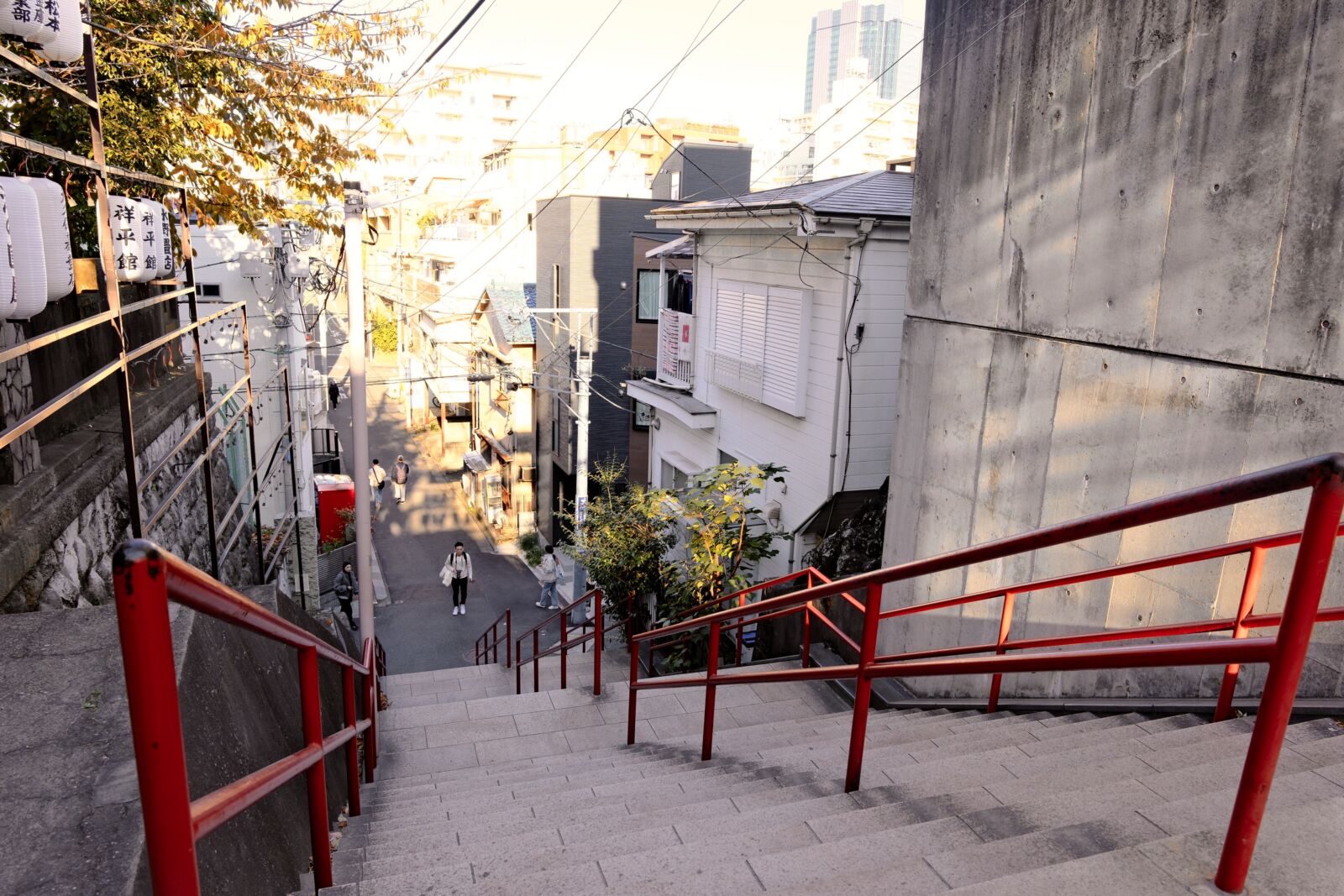
1. Suga Shrine Steps, Tokyo
Anime: Kimi no Na wa (Your Name) This is arguably the most famous location in recent anime tourism. This humble red staircase in the Yotsuya neighborhood of Shinjuku is where protagonists Taki and Mitsuha meet in the film's climactic scene. The precision of Shinkai's drawing makes the spot instantly recognizable and a constant pilgrimage point for fans in Tokyo.
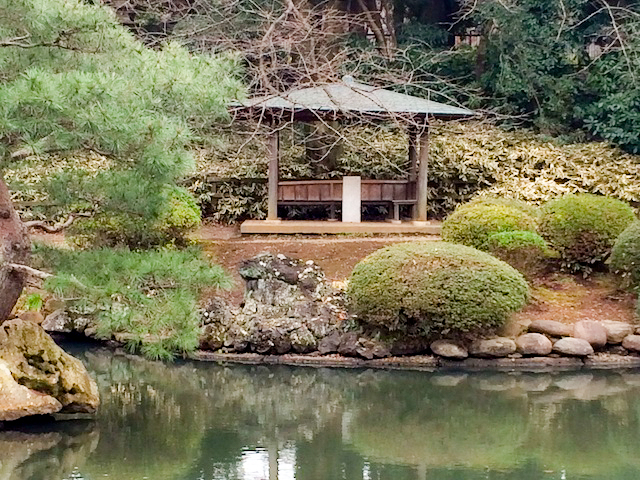
2. Shinjuku Gyoen National Garden, Tokyo
Anime: Kotonoha no Niwa (The Garden of Words) This film is set almost entirely within this tranquil park in the heart of Shinjuku. The covered pavilion where Takao and Yukino meet, especially on rainy days, is an exact replica of the gazebo found within the gardens. Shinkai's use of light and detail transformed an urban park into a romantic, poetic sanctuary.
2. Ghibli's Mythology and Nature
Hayao Miyazaki and Studio Ghibli often merge history and nature to create fantasy worlds.
3. Yakushima Island, Kagoshima Prefecture
Anime: Mononoke Hime (Princess Mononoke) The ancient forest of this subtropical island, particularly the section known as Shiratani Unsuikyo (Moss-covered Water Valley), was the direct inspiration for the Forest Spirit's woods and the home of the Kodama. Its lush vegetation and ancient yakusugi cedar trees convey the deep, mystical atmosphere of the film.

4. Dogo Onsen Honkan, Ehime Prefecture
Anime: Sen to Chihiro no Kamikakushi (Spirited Away) Although Yubaba's Bathhouse is inspired by several locations, the historic Dogo Onsen building, one of Japan's oldest and most revered bathhouses, is the most obvious architectural inspiration, especially for its multiple levels and central tower.

3. The Setting for Modern Action and Nostalgia
These locations anchor action scenes or nostalgic moments in settings that Japanese residents ( and fans) know intimately.
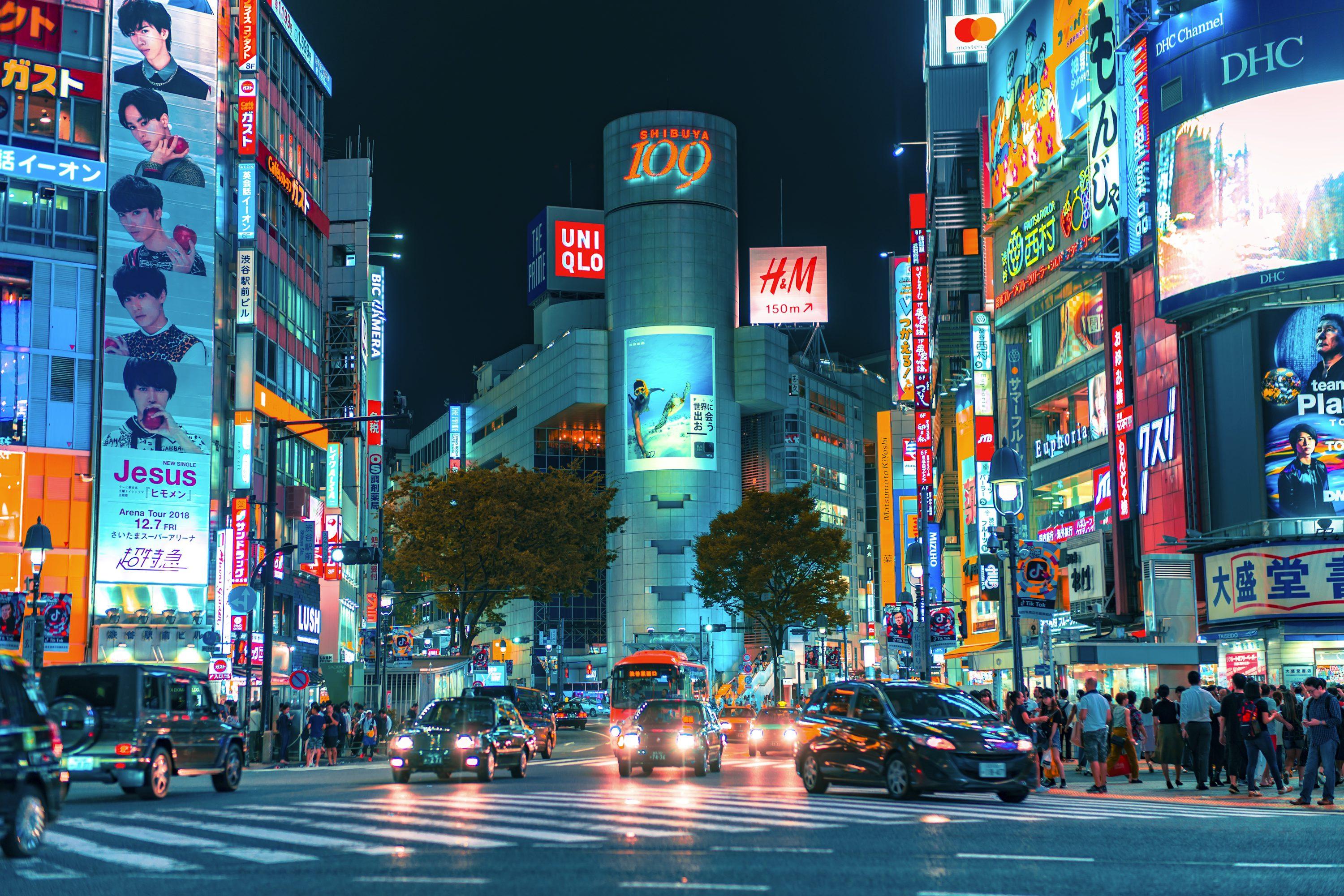
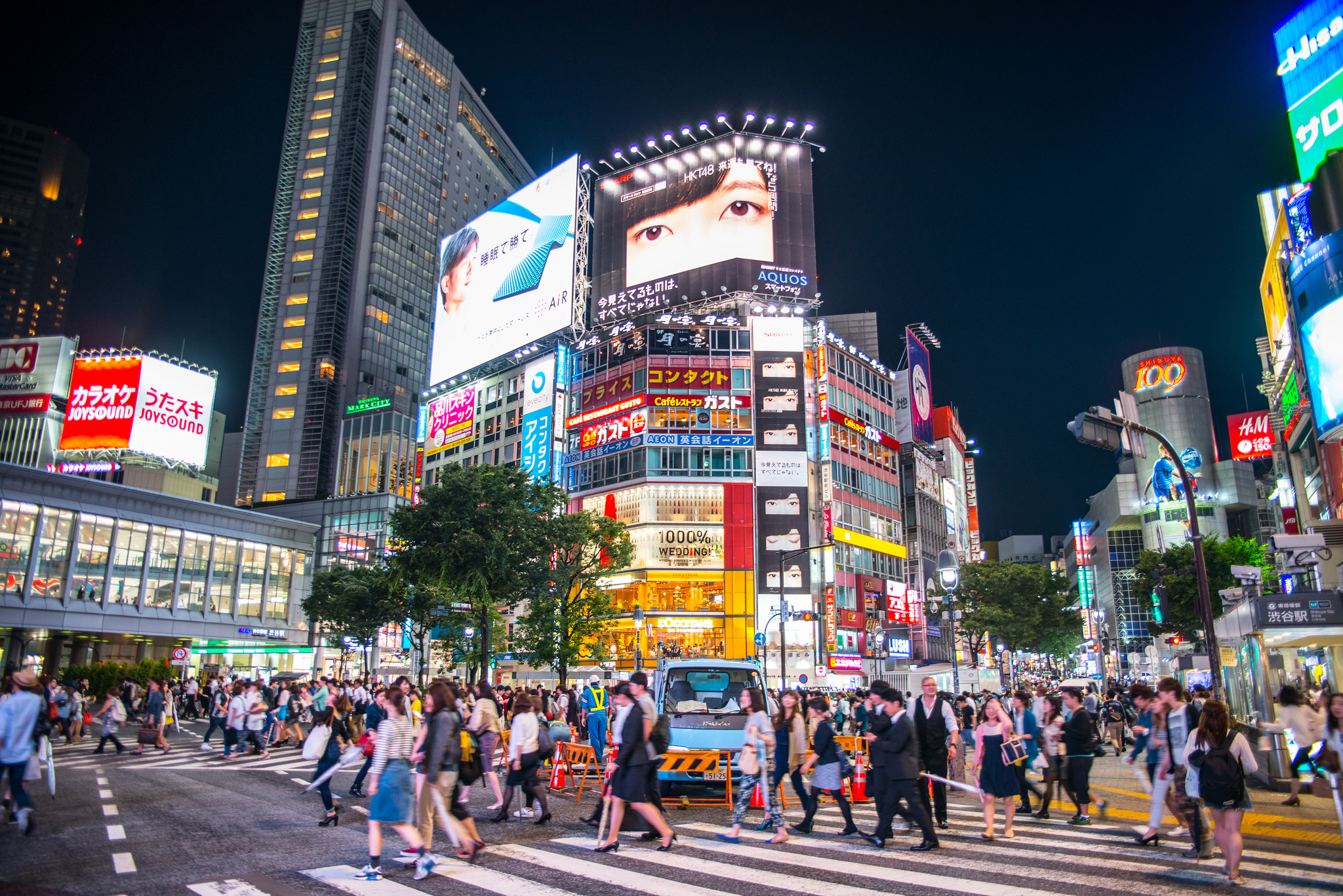
5. Shibuya Crossing, Tokyo
Anime: Jujutsu Kaisen This crossing, the busiest in the world, was the setting for the epic, chaotic battle of the "Shibuya Incident" arc. MAPPA's super-detailed animation used Shibuya and the underground train station as the backdrop for the confrontation between sorcerers and cursed spirits, turning a modern icon into an apocalyptic battlefield.
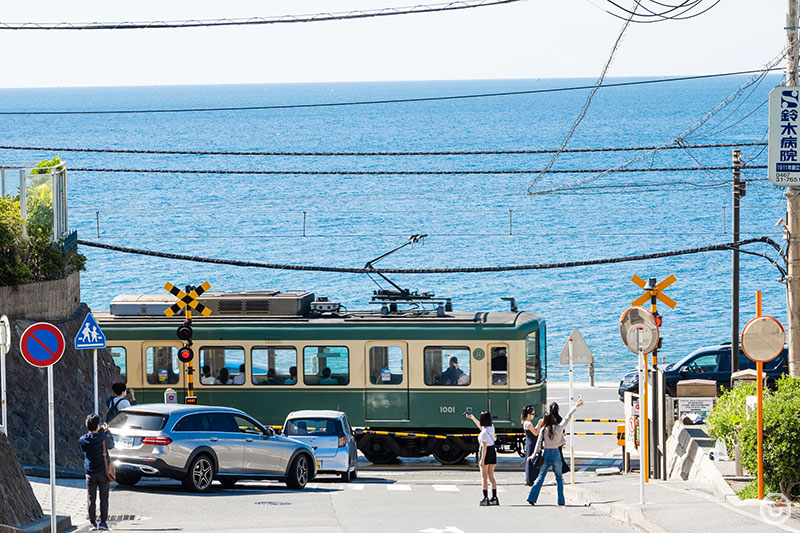
6. Kamakurakōkōmae Crossing, Kanagawa Prefecture
Anime: Slam Dunk This simple seaside railroad crossing, on the way to Enoshima, became world-famous for appearing in the opening sequence of the 90s basketball series. It is a place of great nostalgia that evokes the start of the spokon (sports anime) era and continues to draw legions of fans who recreate the scene.
Conclusion
The search for authenticity and the integration of Japanese reality into fiction are a hallmark of anime. Visiting these locations allows fans not only to relive their favorite scenes but also to appreciate the deep connection between art and Japanese geography.
Patrocinados
Categorías
Read More
Filler vs. Canon: A Beginner's Guide to Understanding Anime Arcs (and Which to Skip) You're watching a long-running action anime, like Naruto. The main plot is intense; the characters are in the middle of crucial training or a life-or-death battle. Suddenly, the next episode begins, and the main characters are on an unimportant side mission, like helping a talking ostrich or cooking the...

The anime figure market is saturated with counterfeits, technically known as "bootlegs." These illegal copies fail quality controls, use inferior materials (toxic or unstable PVC), and lack resale value. Identifying a counterfeit requires a technical inspection of four key factors: packaging, licensing seals, material quality, and market price. 1. The Authenticity Seal (Holograms) The...
5 Amazing Stand-Alone Anime Movies Perfect for a Friday Night (No Prequel Knowledge Needed) You've had a long week. It's Friday night, and you want to watch an incredible movie. Anime has some of the most critically acclaimed films in the world, but it can be hard to know where to start. This list is designed for one thing: to give you a fantastic anime film that works as a 100%...
Definitive Guide: JoJo's Bizarre Adventure Watch Order (Complete Timeline) JoJo's Bizarre Adventure is one of the most influential franchises in the history of manga and anime. Written by Hirohiko Araki, the series is distinguished by an unusual narrative structure: instead of following a single protagonist, the story is divided into "Parts." Each Part features a new protagonist...

Psychological horror in anime does not depend on gore or jumpscares, but on atmosphere, the manipulation of perception, and the slow disintegration of reality. These series force the viewer to question the sanity of the characters and the world around them, generating a much more lasting existential dread. Here are five essential examples of the genre. 1. Paranoia and the Fear of...