


The Lost Golden Age: 7 Animes from the 2000s That Every Fan Must Watch (Beyond Death Note and Naruto)

The 2000s decade was a period of immense creativity in anime, often overshadowed by the global dominance of the "Big Three" (Naruto, Bleach, and One Piece). However, it was a true Lost Golden Age that produced masterpieces of psychology, mature science fiction, and experimental narrative.
Here are 7 crucial anime from that decade that every fan must watch to understand the era's depth.
I. 7 Essential Anime That Define the 2000s Decade
These series stood out for their narrative risk, unique visual style, or profound thematic exploration.
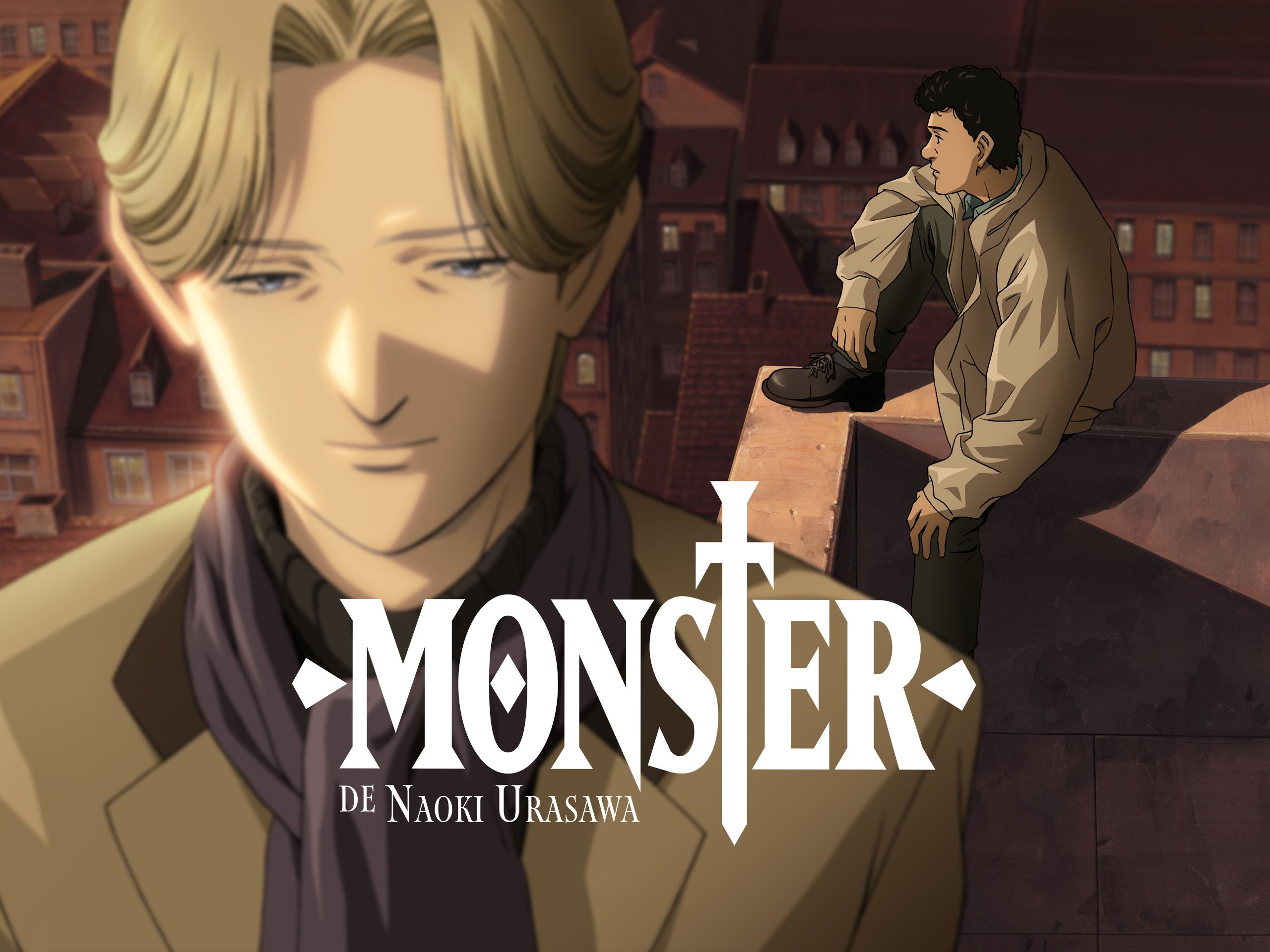
1. Monster (2004)
-
Genre: Psychological Thriller, Mystery, Seinen.
-
Why watch it: Based on the acclaimed manga by Naoki Urasawa, Monster is a slow-burn work of high maturity. It follows Dr. Kenzo Tenma on his quest to stop a young sociopath, Johan Liebert. The series is notable for its realistic approach and its exploration of good, evil, and human nature.
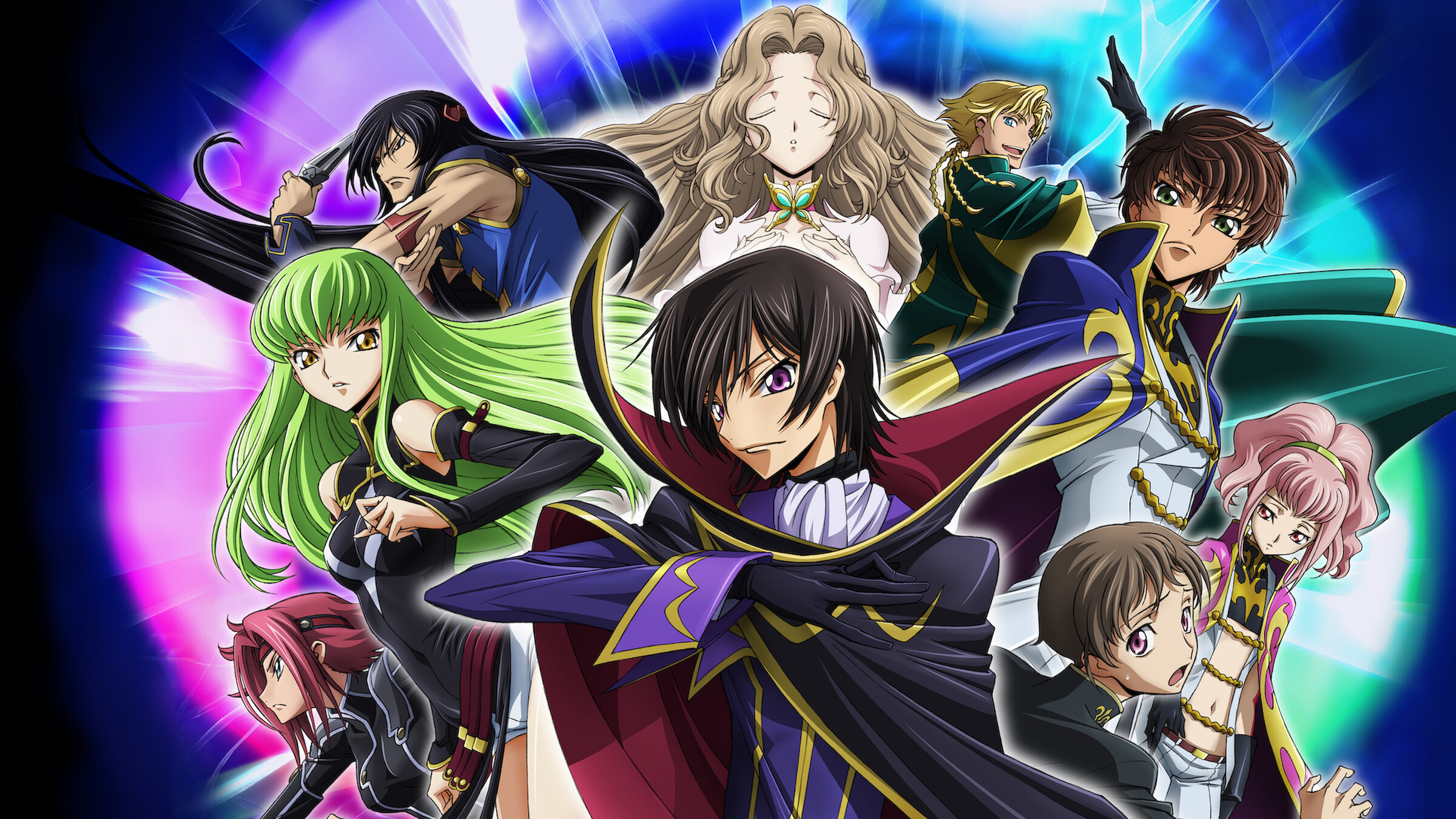
2. Code Geass: Lelouch of the Rebellion (2006)
-
Genre: Mecha, Strategy, Political Drama.
-
Why watch it: An instant hit that combined mecha action with the mastermind of Lelouch Vi Britannia, an anti-hero who fights for freedom with the power of the Geass (the ability to give absolute commands). It is a key work for the analysis of morality and revolutions.
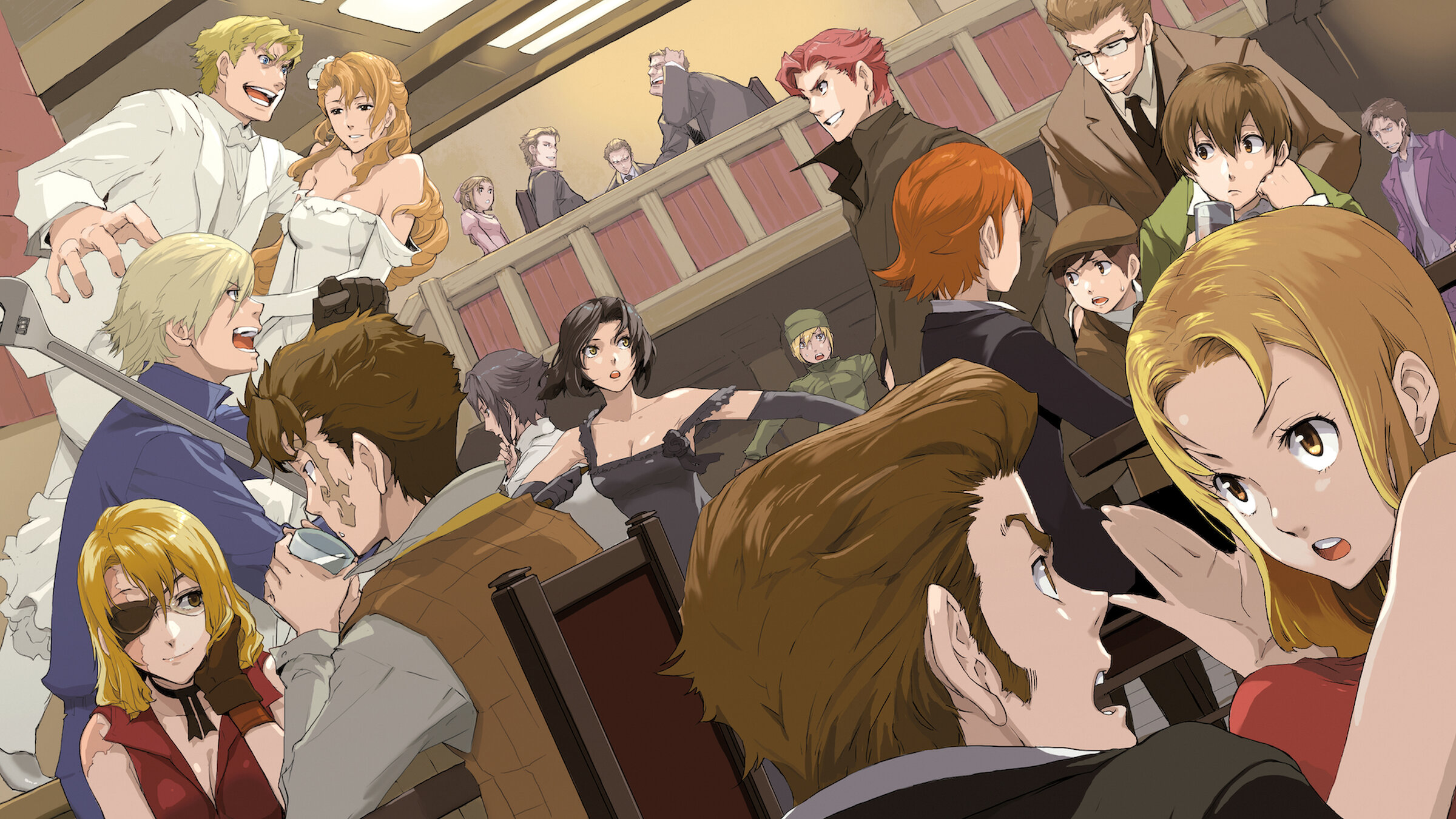
3. Baccano! (2007)
-
Genre: Action, Supernatural, Mystery.
-
Why watch it: It is a narrative challenge. Set mainly in 1930s Chicago, the series uses a non-linear structure, telling a story about alchemists, mobsters, and immortals through multiple perspectives. It requires concentration but rewards with one of the most satisfying narratives of the decade.
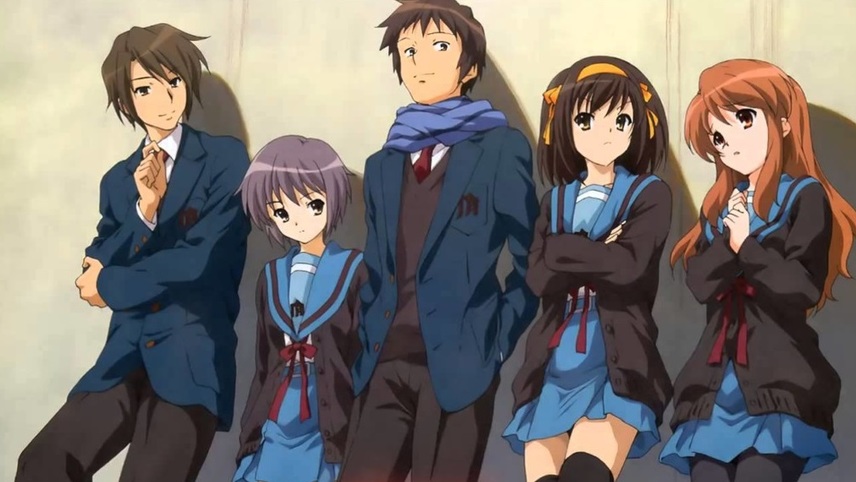
4. The Melancholy of Haruhi Suzumiya (2006)
-
Genre: Slice of Life, Comedy, Meta Science Fiction.
-
Why watch it: This series redefined slice of life by focusing on a protagonist who is unconsciously a deity capable of rewriting reality. The series was a cultural phenomenon ("Haruhiism") and is famous for its ingenious narrative, humor, and the introduction of the concept of "non-chronological order" in broadcasting.
5. Samurai Champloo (2004)
-
Genre: Action, Historical Adventure, Comedy.
-
Why watch it: Directed by Shinichirō Watanabe (creator of Cowboy Bebop), this series fuses feudal Edo-era Japan with a modern Hip-Hop soundtrack. It is a visually stylized road movie, marked by unique fight sequences and an underlying melancholy.

6. Welcome to the N.H.K. (2006)
-
Genre: Black Comedy, Psychological Drama.
-
Why watch it: A brave and often uncomfortable representation of Japanese social reality, centering on Tatsuhiro Satō, a hikikomori (social recluse) who struggles with paranoia, depression, and conspiracy. It is essential for understanding the darkness of otaku culture without idealizing it.

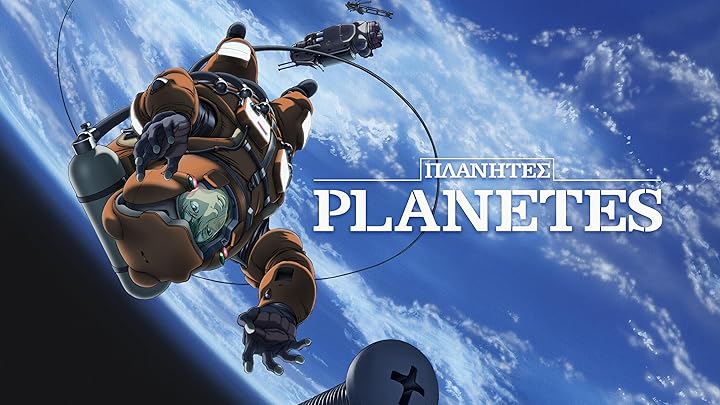
7. Planetes (2003)
-
Genre: Hard Science Fiction, Drama, Seinen.
-
Why watch it: Set in a future where space travel is common, it focuses on a team of space "garbage collectors." The series is acclaimed for its technical accuracy, realism, and its deep exploration of existential themes, marriage, ambition, and humanity's place in space.
II. Conclusion
The 2000s decade proved that anime could be philosophical, experimental, and socially relevant, even while the major action franchises dominated the popularity charts. If you've already seen the obvious hits, exploring these titles is delving into the true richness of that era.
إعلان مُمول
الأقسام
إقرأ المزيد
The 80s and 90s were the Golden Age of Cyberpunk, a period where anime fearlessly explored the fear of technology, the omnipresence of corporations, and the merging of the human body with machines. While Akira and Ghost in the Shell are the fundamental pillars, a handful of lesser-known OVAs and films captured the essence of the genre with equal intensity, defining the neon and dystopian...
Although the concept of a Shared Universe is popularly associated with Western comics, large anime franchises have been interweaving timelines and secondary narratives for decades. In this medium, spin-offs are not just extra stories but often essential narrative pieces that redefine the main work. We analyze how anime uses this expansion to create rich and enduring worlds. I. The Classic...

The world of anime figures offers a vast range of options, which can be overwhelming for new collectors. The choice between popular articulated figure lines and static statues fundamentally depends on your budget, display space, and preferred collecting style. Here we break down the three most important categories in the anime collectible market. 1. Nendoroid (The Chibi Style) Nendoroid...

The anime figure market is saturated with counterfeits, technically known as "bootlegs." These illegal copies fail quality controls, use inferior materials (toxic or unstable PVC), and lack resale value. Identifying a counterfeit requires a technical inspection of four key factors: packaging, licensing seals, material quality, and market price. 1. The Authenticity Seal (Holograms) The...
Any anime fan knows the terms “Shonen” (for young boys) and “Shojo” (for young girls). Many are familiar with “Seinen” (for adult men). But there’s a fourth crucial pillar that, in the West, is often overlooked or misunderstood: “Josei.” Josei is the demographic aimed at adult women. It is not Shojo. It is the medium that produces some of...