What is a "Visual Novel"?
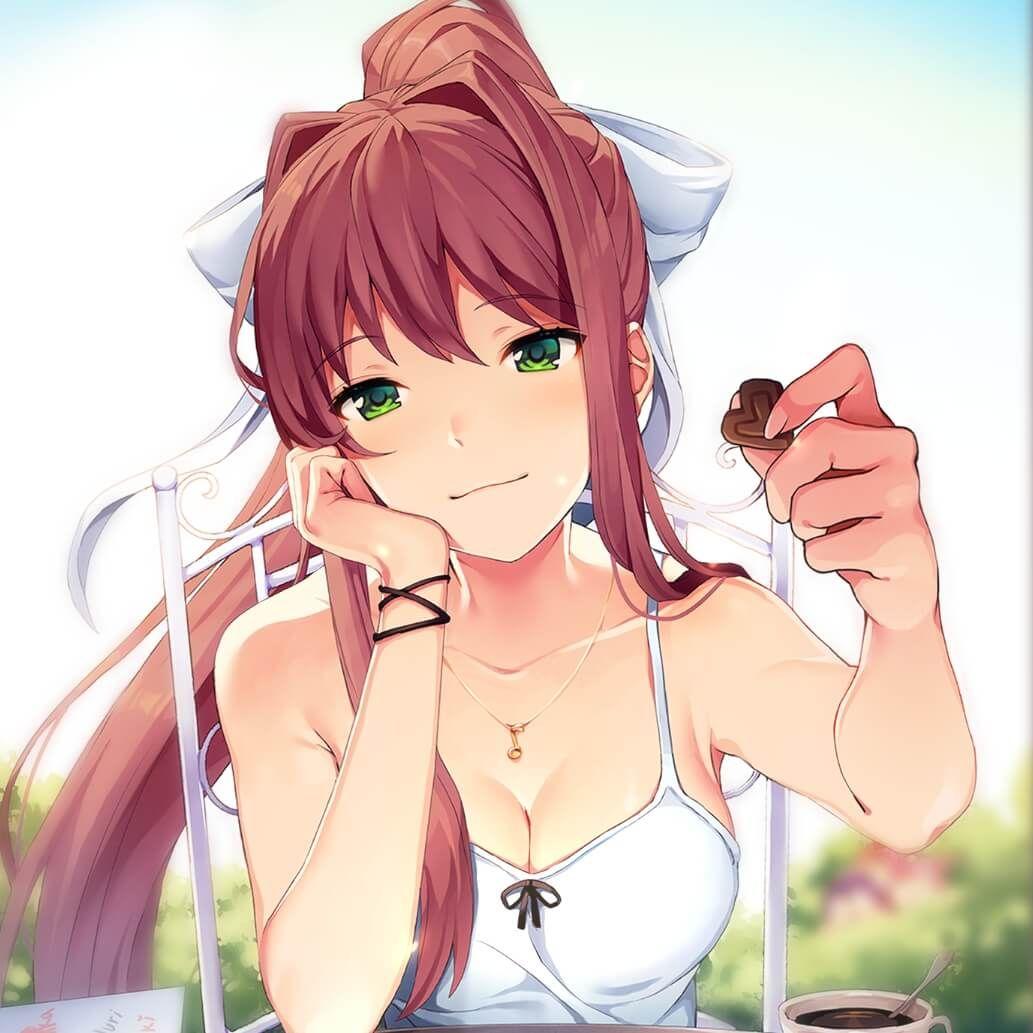
What is a "Visual Novel"? A Guide to the Games That Inspire Your Favorite Anime (Like 'Steins;Gate' and 'Clannad')
Have you ever watched a romance anime where the protagonist seems to have incredible chemistry with a side character, only to suddenly "forget" them and focus on someone else? Or have you watched a sci-fi series like Steins;Gate and wondered why fans talk about a "True End"?
The answer is that these stories were not originally written as anime or manga. They were adapted from Visual Novels (VNs).
A Visual Novel is a genre of video game and interactive fiction medium originating in Japan. Its gameplay is limited and focuses almost exclusively on narrative.
Think of them as a digital "choose-your-own-adventure book," presented with the art, music, and (sometimes) voice acting of an anime.
The 4 Key Components of a Visual Novel

When you "play" a Visual Novel, the screen is composed of four main elements:
-
Text: The narrative is presented in a text box at the bottom of the screen. 90% of the experience is reading.
-
Character Sprites: These are the static (or lightly animated) illustrations of the characters. Their expressions change based on the dialogue.
-
Backgrounds (BG): The static background art that sets the scene (a cafe, a classroom, a street).
-
Sound: Background music (BGM), sound effects (SFX), and often, full voice acting for every character (except, traditionally, the protagonist).
The "Gameplay": Choice Points and Routes
This is where VNs differ from a book. The main "gameplay" of a Visual Novel comes from Choice Points.
At key moments in the story, the text will stop, and you will be presented with multiple options. For example:
-
"Who should I invite to the school festival?"
-
A. (Character A)
-
B. (Character B)
-
-
"Should I answer the phone call?"
-
A. Answer it
-
B. Ignore it
-
These choices are not cosmetic. Each decision sends you down a different narrative path, known as a "Route."
The Goal: Routes and Multiple Endings
Visual Novels are designed to be "played" (read) multiple times.
In a romance VN like Clannad, following the correct choices for a specific character (like Tomoyo) will "lock" you onto the "Tomoyo Route." This will allow you to see her complete, personal story, culminating in her "Good End."
More complex VNs, like Steins;Gate, use this for plot. Certain choices send you to entirely different timelines. You may be required to:
-
Get a "Bad End": A tragic or abrupt ending where you fail.
-
Complete Multiple Routes: Often, a VN requires you to complete the "Routes" of several characters first.
-
Unlock the "True End": After completing the required routes, a new set of choices is unlocked. These options lead you to the "True End," which is the canonical, main conclusion to the entire story.
How Does This Affect Anime Adaptations?
Now you can understand the challenge for an anime director: How do you adapt an 80-hour game with 5 different "routes" into a 24-episode series?
They have three options, which explains why VN-based anime often feel different:
-
The "Harem" Solution (The Worst): The director tries to take parts from all 5 routes and mash them into one story. This often fails, creating a protagonist who seems indecisive and a plot that feels rushed.
-
The "Single Route" Solution: The studio chooses to adapt only one of the routes. The Fate/stay night: Unlimited Blade Works series by Ufotable is a perfect example; it exclusively adapts the "Unlimited Blade Works" route from the Visual Novel.
-
The "True End" Solution: The studio adapts the route that leads to the canonical "True End." This is what the Steins;Gate anime did. It follows the main timeline, incorporating elements from other routes, but its goal is to tell the "True End" story.
Conclusion
A Visual Novel is one of the deepest forms of storytelling in Japanese media. If you finished an anime like Steins;Gate or Clannad and were left wanting more, the original Visual Novel is your next step.
It isn't just "more content"; it is the complete story. It offers hundreds of hours of context, character development, and the inner thoughts of the protagonist that the anime had to cut.
Commandité
Catégories
Lire la suite
One of the biggest headaches for romance fans in anime is the "open ending": ambiguous confessions, vague promises, or, worse, a simple handshake. Audiences seek the satisfaction of seeing emotional progression culminate in a stable, confirmed relationship. This list is dedicated to those anime that are not afraid to take the leap, offering complete narrative and emotional closure where the...
The 80s and 90s were the Golden Age of Cyberpunk, a period where anime fearlessly explored the fear of technology, the omnipresence of corporations, and the merging of the human body with machines. While Akira and Ghost in the Shell are the fundamental pillars, a handful of lesser-known OVAs and films captured the essence of the genre with equal intensity, defining the neon and dystopian...
Watching anime on a poorly calibrated TV or monitor can ruin the artistic intent of the animation studio. Standard factory settings often introduce excessive sharpness, overly cool colors, and, worst of all, motion smoothing that destroys the unique style of Japanese animation. This guide focuses on achieving visual fidelity (accurate colors) and motion fidelity (preserving the cinematic 24 fps...
The Gacha genre (named after the Japanese Gashapon vending machines) and anime have a perfect symbiotic relationship. For studios, it's a gold mine that capitalizes on brand loyalty; for fans, it's a way to follow the story of their favorite characters, collect alternate versions, and participate in the series' universe. Here, we highlight five Gacha games that have not only been commercial...
Anime, as a medium, has explored nearly every era and corner of the world. When a historical anime is done well, it not only entertains but also offers an incredible immersion into the sights, sounds, and social pressures of a different time and place. Beyond the Samurai: A Guide to 5 Amazing Historical Anime When people think of "historical anime," their minds almost automatically go to...