
Keine Daten zum Anzeigen
Gesponsert
Mehr lesen
Anime limited to an 11 to 13-episode range often benefit from a tighter narrative pace, eliminating filler and concentrating the drama. This makes them ideal for a weekend binge. Here are five series that offer a complete and high-impact experience in a short format. 1. Psychological Thrillers and Dense Narratives These titles use their short format to maximize dramatic twists and...

A "broken Power-Up" is an ability or transformation that drastically disrupts the pre-established power balance within a narrative. These sudden increases in strength are often introduced as a Deus Ex Machina or lack logical progression, guaranteeing the protagonist immediate victory at a high narrative cost. These 10 examples represent the most illogical and disruptive power increases in...
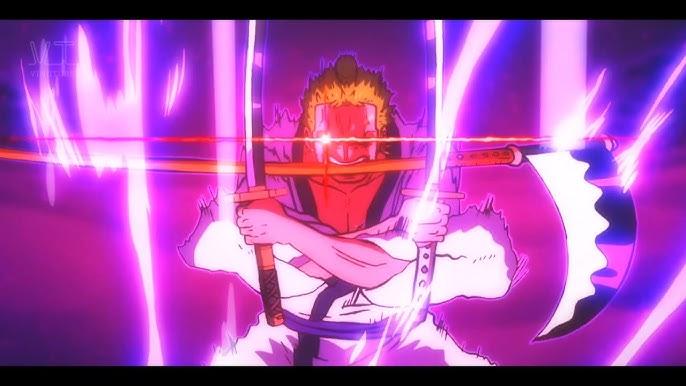
Cosplay is an incredibly creative hobby, but the perception that it requires large sums of money for purchased costumes and high-end props scares away many beginners. Low-Cost Cosplay is the answer: it's about being smart, using existing resources, and prioritizing creativity over spending. Here is how you can start your cosplay journey on a limited budget. I. Choosing the Character (The...
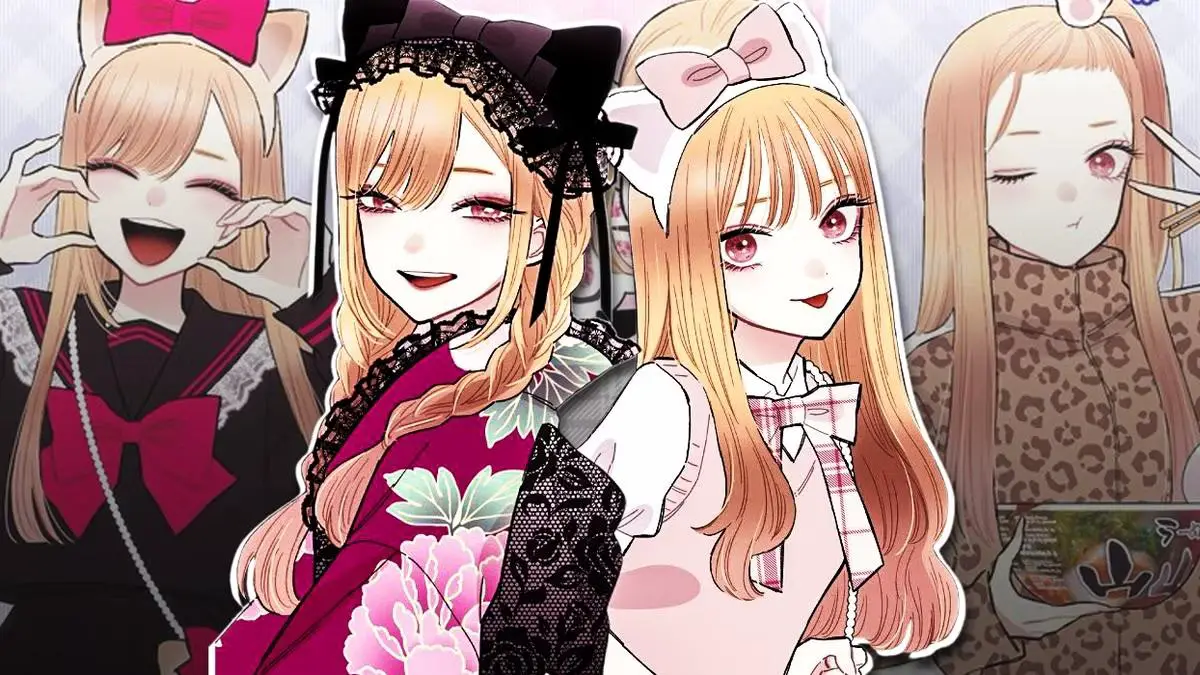
A Beginner's Guide to Anime Demographics: What's the Difference Between Shonen, Shojo, and Seinen? When you explore anime, you will quickly encounter terms like "Shonen," "Shojo," and "Seinen." Many people assume these are genres, like "Action" or "Comedy." This is incorrect. These terms do not describe the type of content. They describe the target audience that the original manga...
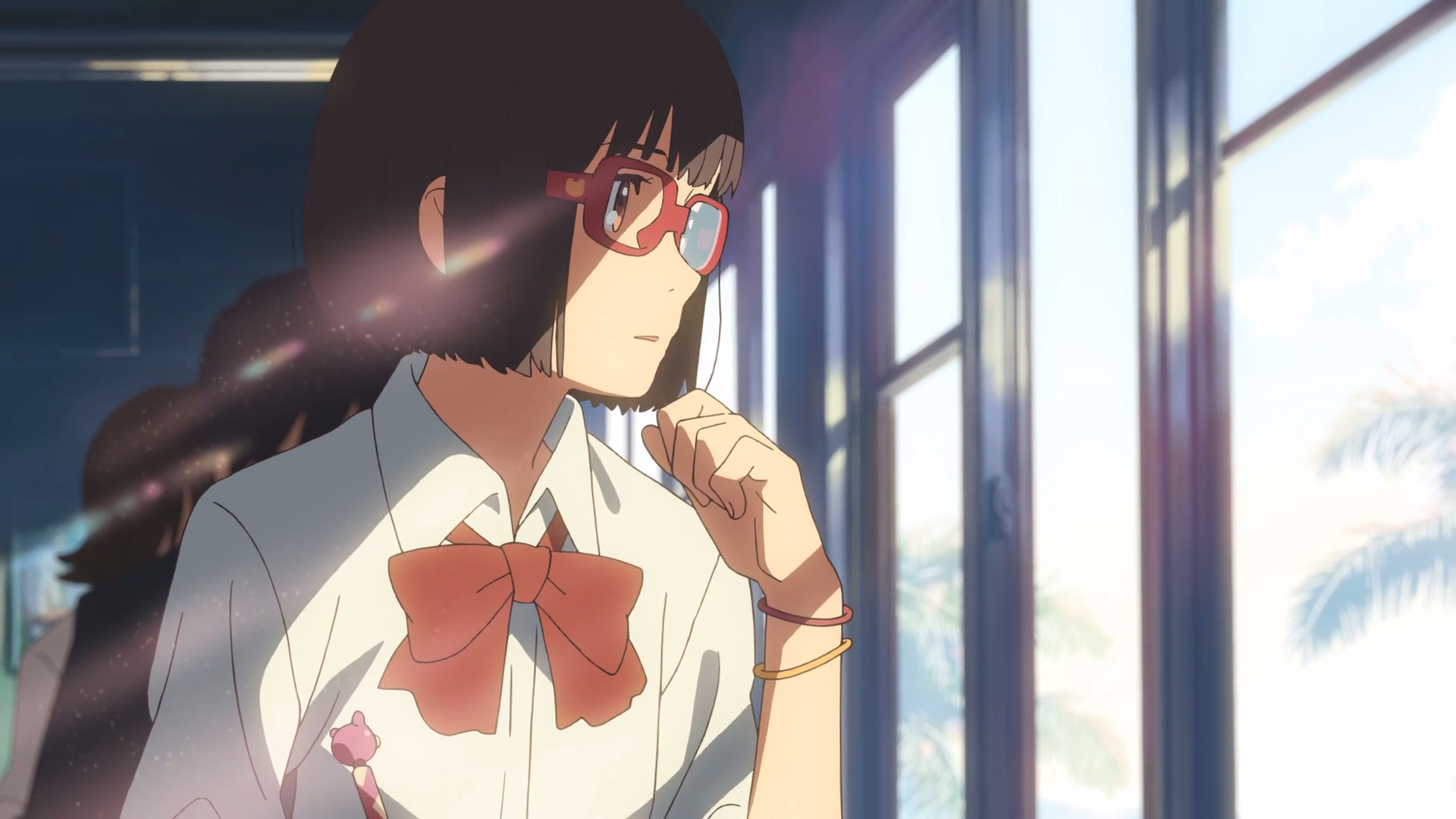
The "window seat and last row" trope is a near-universal visual convention in the school anime genre (slice of life and shonen). The protagonist, often an introverted, melancholic character or the "chosen one," is invariably positioned in the far right corner of the classroom. This placement is not random; it is a deliberate choice dictated by visual composition, narrative necessity, and...