










The 80s and 90s were the Golden Age of Cyberpunk, a period where anime fearlessly explored the fear of technology, the omnipresence of corporations, and the merging of the human body with machines. While Akira and Ghost in the Shell are the fundamental pillars, a handful of lesser-known OVAs and films captured the essence of the genre with equal intensity, defining the neon and dystopian aesthetic we know today.
Here, we explore the hidden gems that helped build the subgenre.
I. The Soul of Classic Cyberpunk
Several key traits define cyberpunk from this legendary era:
- High-Low Dichotomy: Gleaming skyscrapers for megacorporations versus filthy, dangerous slums.
- Cybernetic Fusion: Emphasis on implants, prosthetics, and the concept of digital consciousness (the Ghost).
- Neo-Noir Atmosphere: Dark plotlines, cynical detectives, and constant rain reflecting social decay.
II. The Hidden Gems That Break the Mold
These titles are essential for understanding the depth and variety of classic Cyberpunk anime.
1. Bubblegum Crisis (1987)
This OVA series represents the quintessential 80s aesthetic. In the story, a massive earthquake devastates Tokyo. The government rebuilds it as “MegaTokyo,” but a new threat emerges. Advanced robots called “Boomers” terrorize the citizens. To fight back, a group of female mercenaries wears high-tech powered suits to challenge the GENOM corporation.
Why it matters: It established cyberpunk fashion and the trope of rebels fighting corporate power.

2. Cyber City Oedo 808 (1990)
Director Yoshiaki Kawajiri brings a raw, visceral style to this miniseries. The plot follows three criminals serving long sentences. To earn their freedom, they must act as an undercover police force. The authorities fit them with explosive collars to ensure their loyalty.
Why it matters: Its cynical tone and synth-rock soundtrack perfectly capture the genre’s brutal underbelly.

3. Megazone 23 (1985)
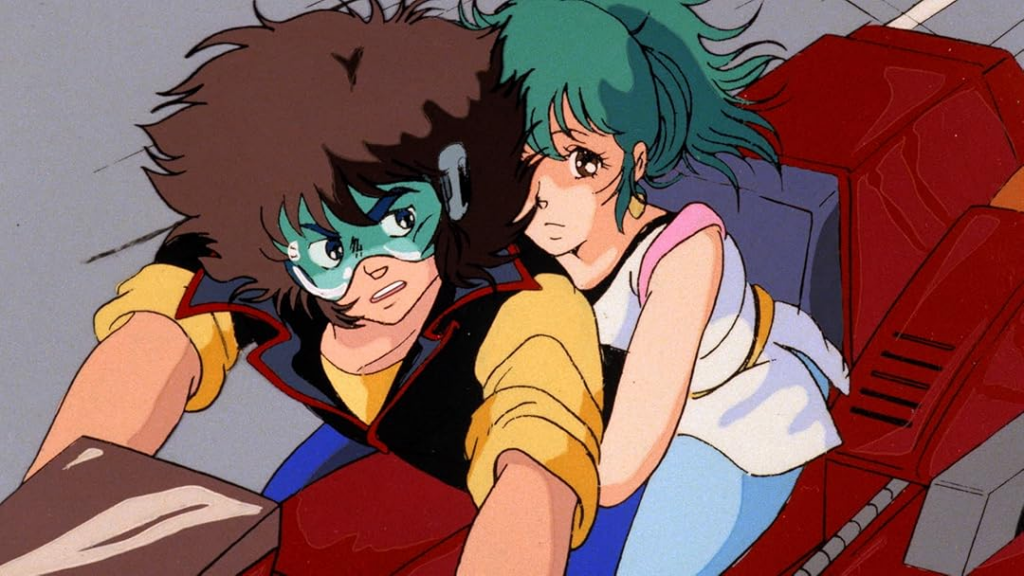
This three-part film acts as a philosophical pioneer for the genre. A young man finds a motorcycle that transforms into a powerful mecha. He soon discovers a shocking truth: his entire city is a simulation. Artificial intelligence maintains this fake world while humanity drifts through space.
Why it matters: This film directly influenced The Matrix by exploring the thin line between virtual reality and identity.
4. Armitage III (1995)
This 90s series focuses on the dilemma of human identity. On Mars, two police officers investigate a string of murders. The victims are “Third Types”—androids so advanced they can reproduce. This revelation threatens the human elite and crosses a dangerous moral line.
Why it matters: It tackles philosophical questions about the soul and artificial intelligence with a mature, reflective tone.

The Enduring Influence
These OVAs, often produced on limited budgets for the home video market, allowed directors to experiment freely. They established the visual language (typography, neon reflections, dirty mechanical designs) and themes (government control, the fate of humanity, the body as hardware) that Western science fiction would continue to adopt for decades.