




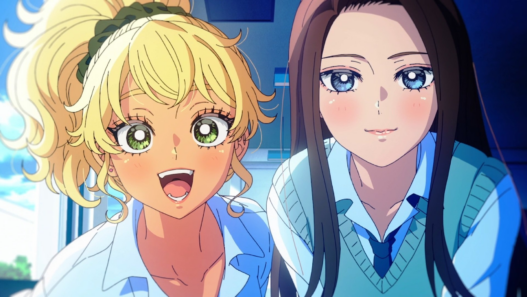
The Mahō Shōjo genre is a pillar of the anime world. It has a history spanning over fifty years. Originally, the genre focused on childlike wishes. However, it now explores themes of sacrifice and despair.
We can divide this history into distinct eras. Two specific milestones define the genre’s path. These are the combat of Sailor Moon and the deconstruction of Madoka Magica.
I. The Magical Start: Foundations and Focus on Fantasy (1960s – 1980s)
Early series focused on a simple premise. A girl gains powers to live adventures. At that time, these shows lacked combat.
- Mahōtsukai Sally (Sally the Witch, 1966): This was the first Mahō Shōjo series. Because it focused on comedy, magic solved only small problems.
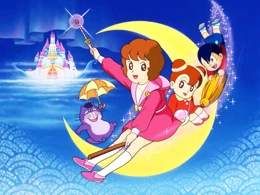
- Himitsu no Akko-chan (1969): This series introduced the “magical object.” Specifically, it used a mirror for transformations. However, the girl did not fight evil.
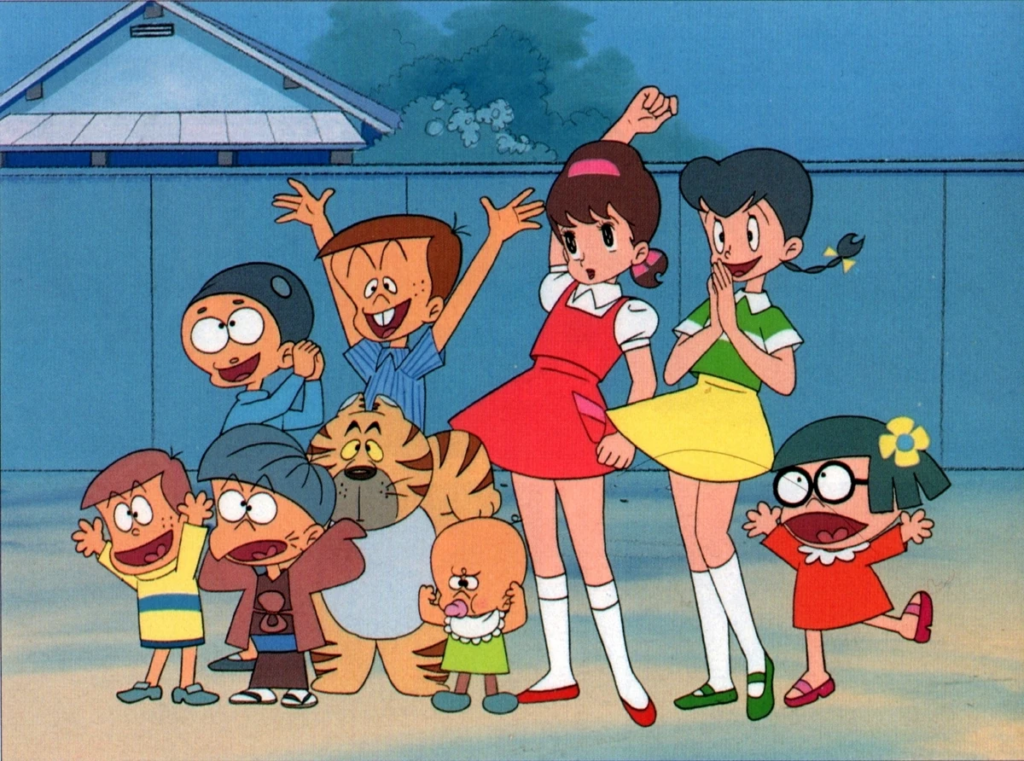
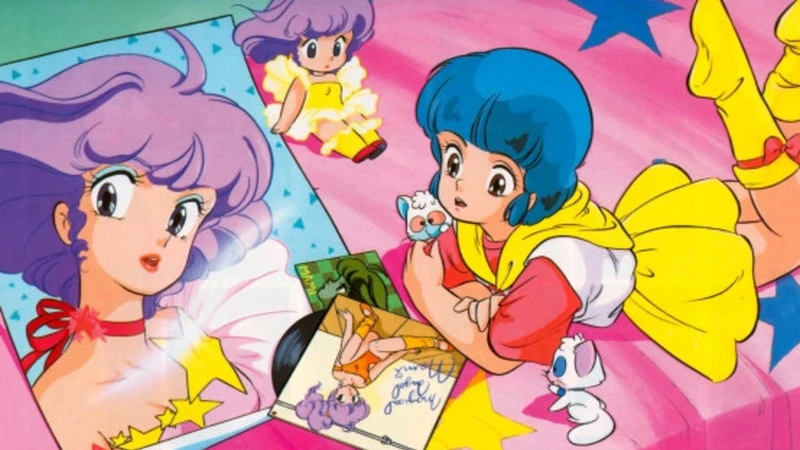
- Creamy Mami, the Magic Angel (1983): Popularized the use of magic to achieve a dream (becoming an Idol). It was crucial in establishing the trope of the transformation with an adult appearance change.
II. The Action Revolution: Sailor Moon and Team Combat (1990s Decade)
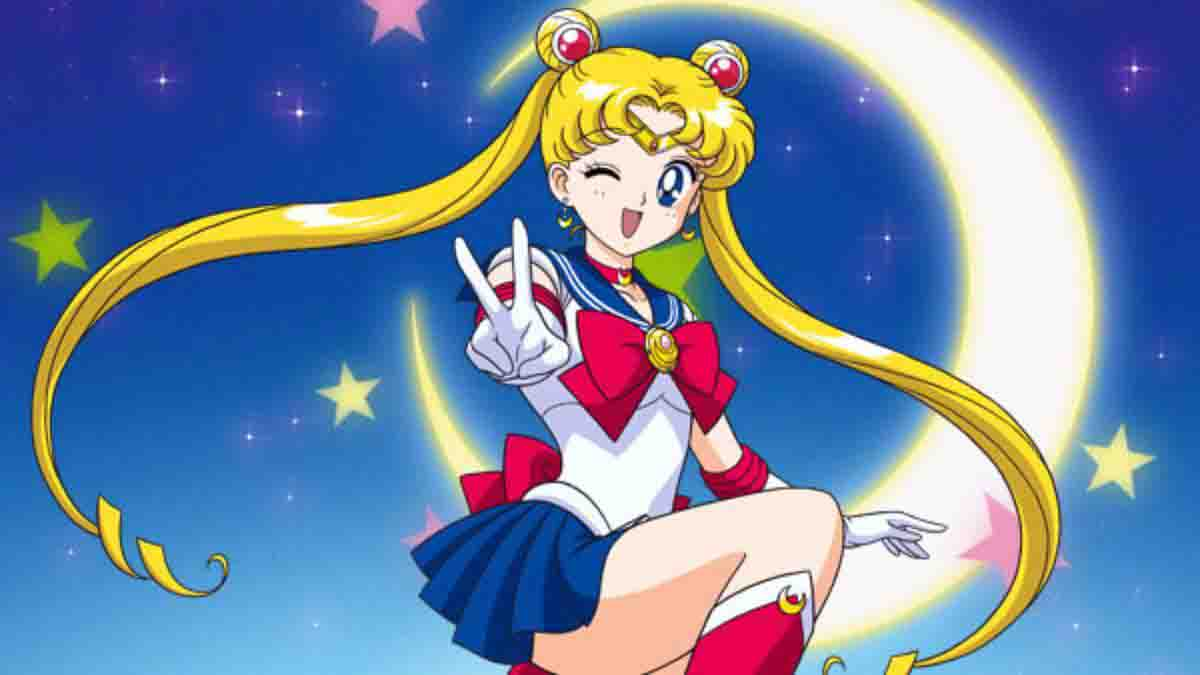
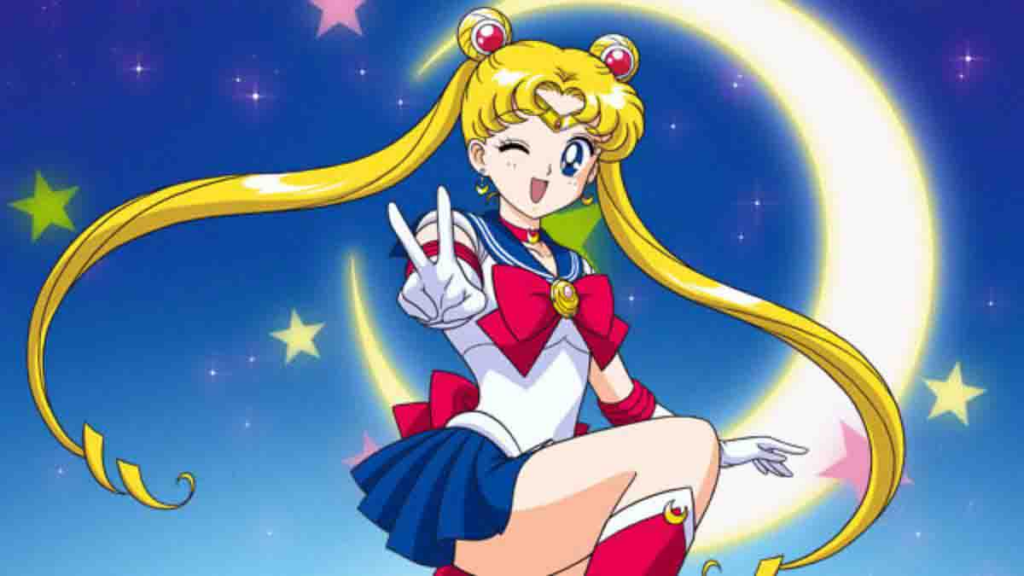
Pretty Soldier Sailor Moon (1992) marked the definitive break with earlier series. It kept the transformation but added elements of the Sentai genre (teams of heroes).
The Impact of Sailor Moon (List):
- Direct Combat: Magical girls now had a duty to fight. Therefore, magic became a weapon against villains.
- Heroine Teams: Diverse heroes worked together. As a result, the show reached a wider audience.
- Mature Themes: The series explored death and reincarnation. In addition, it set new standards for costume design.
III. The Darkness and Deconstruction: Madoka Magica (2010s)
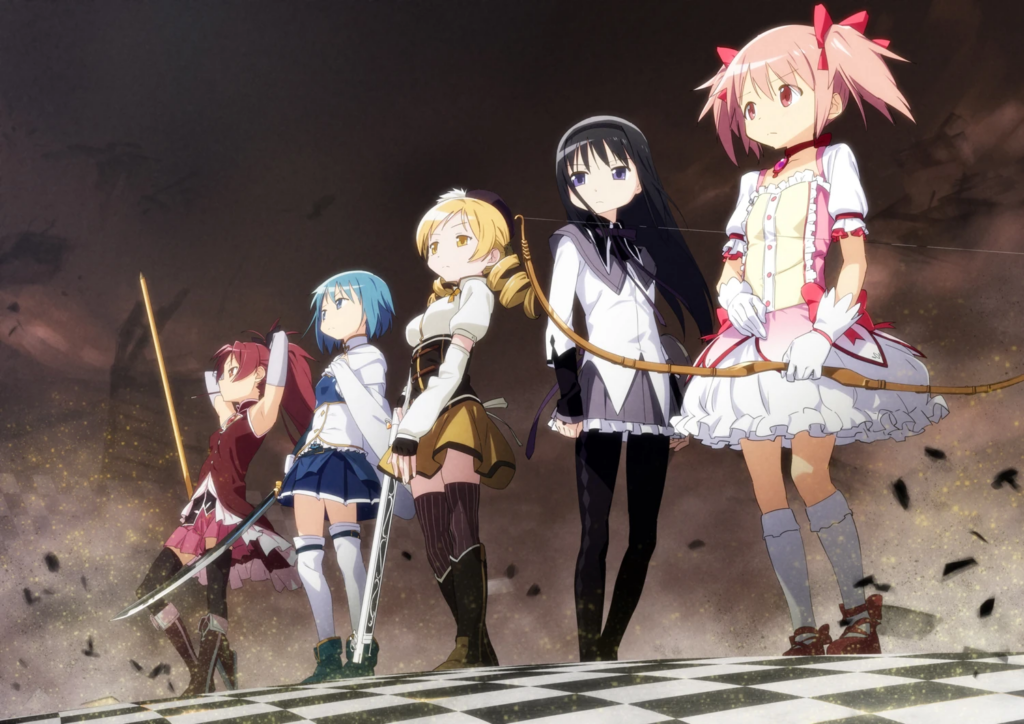
In 2011, Madoka Magica redefined the genre. Although it looked cute, it subverted every tradition.
The Deconstruction of Madoka Magica (List):
- The Deadly Contract: Magic is no longer a gift. Instead, it is a tragic contract. Ultimately, it leads to total despair.
- Grim Reality: Transformation is not liberating. Rather, it reminds the girls of their brutal fate.
- Adult Audience: The series targets mature viewers. Because of its dark twists, it shocked fans worldwide.
IV. Conclusion: A Genre in Constant Mutation
the Mahō Shōjo genre is incredibly resilient. By moving from comedy to drama, it stays relevant. Furthermore, modern series continue to explore this spectrum. Clearly, the magical girl remains a powerful symbol in 2026.



Heya i am for the first time here. I came across this board and I in finding It really helpful & it helped me out a lot.
I’m hoping to present one thing again and help others like you helped me.
Can’t wait to see more of your comments welcome aboard! <3
Awesome! Its in fact amazing article, I have got much clear idea about from this article.
We are delighted that it has been of help to you. :DDD
[…] In a deconstruction of the Magical Girl genre, Homura repeatedly sacrifices herself to try and change a tragic fate. Her agency comes from […]
What’s up to every one, as I am really eager of reading this web site’s post to be updated on a
regular basis. It carries pleasant stuff.
We sincerely appreciate your comment and your interest in reading our articles
Hey there! This is my first visit to your blog! We are a
collection of volunteers and starting a new project in a community in the
same niche. Your blog provided us valuable
information to work on. You have done a wonderful job!
Great, knowing that makes us very happy and proud. We wish you success with your project. If you’d like to share ideas or if there’s any way we can support each other, you can contact us via DM on Instagram at @porupo.moe.
Hi my friend! I wish to say that this article is amazing, great written and include approximately all vital infos.
I would like to look more posts like this .
Hello Bridgette, we’re glad to know that you enjoy this kind of articles. Just because of that, we’ll be motivated to write more similar material. Thank you for the visit and the comment
Wonderful post! We are linking to this great post on our website.
Keep up the good writing.
Great, what’s your website?