


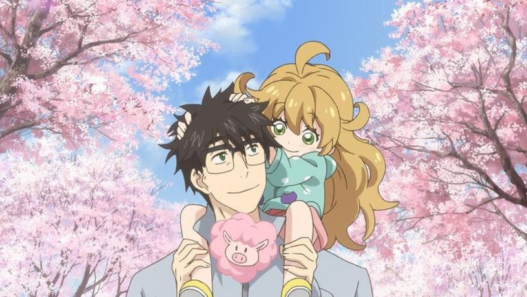






Anime serves as a fantastic immersion tool for the Japanese language. However, many beginners feel overwhelmed by the fast dialogue. Fortunately, characters rely on a core set of words that repeat in almost every genre. By recognizing these terms, you can master pronunciation and understand the cultural context much faster.
Therefore, start with these 10 essential words to build your foundation.
I. 10 Key Anime Phrases and Words (List)
1. Nani (何)
- Pronunciation: Nah-nee
- Meaning: What? / What did you say?
- Context of Use: Use Nani to express surprise. For instance, characters often shout it during a shocking plot twist.

2. Sugoi (すごい)
- Pronunciation: Soo-goi
- Meaning: Amazing! / Awesome! / Great!
- Context of Use: A very versatile adjective or exclamation used to express admiration for something big, powerful, talented, or impressive.

3. Kawaii (かわいい)
- Pronunciation: Kah-wah-ee
- Meaning: Cute / Adorable
- Context of Use: This is the ultimate adjective of affection. Furthermore, it describes everything from small pets to stylish clothes.

4. Baka (バカ)
- Pronunciation: Bah-kah
- Meaning: Idiot / Stupid
- Context of Use: The most common and mild insult. It is often used jokingly, out of frustration, or as an affectionate, teasing term between friends or rivals.

5. Sensei (先生)
- Pronunciation: Sen-sei
- Meaning: Teacher / Professor / Doctor / Expert
- Context of Use: It is a formal honorific and is used to address anyone who teaches or is an expert in a specific field (school teacher, martial arts instructor, doctor, author).

6. Gomen/Gomennasai (ごめん/ごめんなさい)
- Pronunciation: Goh-men (informal) / Goh-men-nah-sai (formal)
- Meaning: Sorry / Excuse me
- Context of Use: Gomen works for casual apologies. On the other hand, Gomennasai adds a layer of formal politeness.

7. Oishii (おいしい)
- Pronunciation: Oh-ee-shee
- Meaning: Delicious!
- Context of Use: You will hear this word in virtually any food scene. It is the standard reaction of appreciation for food.

8. Yatta! (やった!)
- Pronunciation: Yah-tah!
- Meaning: I did it! / Yay! / Victory!
- Context of Use: An expression of joy, relief, or success. It is shouted after winning a battle, solving a problem, or completing a difficult task.

9. Daijoubu (大丈夫)
- Pronunciation: Dai-yoh-boo
- Meaning: It’s okay / No problem / Are you alright?
- Context of Use: This word works as both a question and an answer. Consequently, you can use it to reassure a friend.

10. Arigatou (ありがとう)
- Pronunciation: Ah-ree-gah-toh
- Meaning: Thank you
- Context of Use: This is the standard way to show gratitude. Alternatively, you can use Arigatou gozaimasu to be more formal.

II. Understanding Sentence Structure
In order to use these words correctly, you must understand the basic Japanese sentence order. Unlike English, Japanese typically places the verb at the very end.
| Term | English Order | Japanese Order |
| Subject | I | I (Watashi wa) |
| Object | Apple | Apple (Ringo o) |
| Verb | Eat | Eat (Tabemasu) |
II. Conclusion
In summary, mastering these 10 phrases allows you to catch the emotional “vibe” of any scene. Moreover, paying attention to the character’s tone will teach you more than a textbook ever could. Ultimately, the goal is to stop reading the subtitles and start listening to the heart of the story.