





The “Damsel in Distress” trope traditionally places female characters in a passive role. For many years, their primary function was to be rescued by a male hero. However, anime and manga have pioneered the deconstruction of this outdated concept. Instead, modern series offer female characters who act as leaders, strategists, and active agents of their own fate.
This article celebrates the heroines who reject passivity and possess complete narrative agency.
The Deconstruction of the Classic Trope
First, we must define what makes a heroine “agentic.” In contrast to the traditional model, modern agency focuses on internal strength.
Characteristics of Modern Female Agency (Simple List):
- Self-Initiative: The character’s motivation is internal (revenge, protection, truth), not generated by kidnapping or threat.
- Leadership: Ability to command armies or make strategic decisions without depending on male approval.
- Self-Sufficiency: Ability to solve her own physical and emotional problems.
Heroines with Self-Will and Agency
These five figures exemplify the breadth and depth of the modern heroine’s evolution in Japanese animation, spanning different genres.
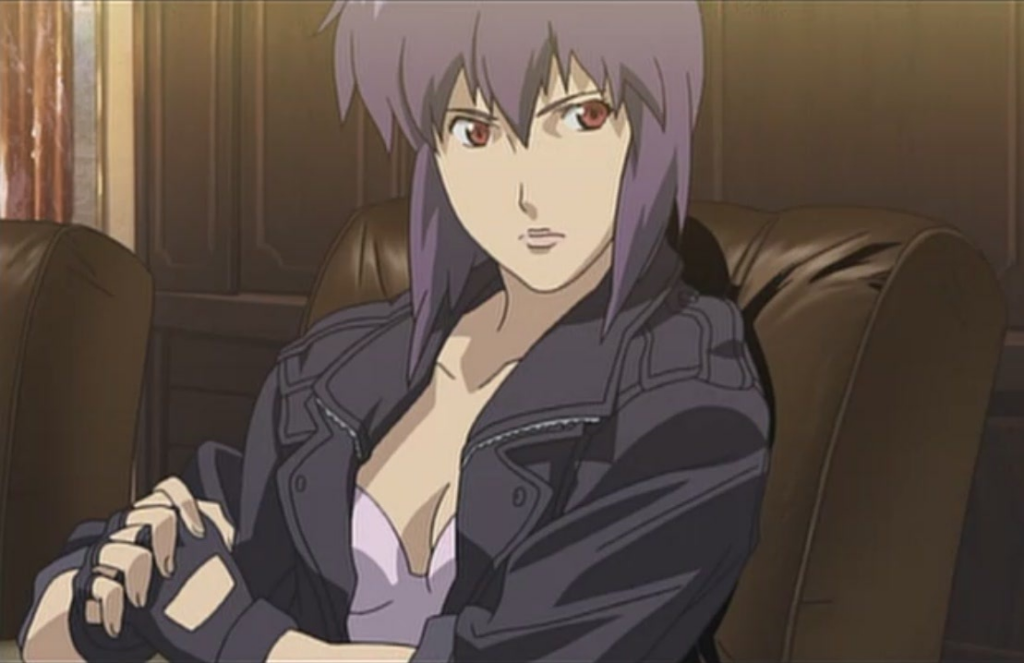
1. Motoko Kusanagi (Ghost in the Shell)
- Central Agency: Tactical and Philosophical Leadership.
- Role: She is the Major and leader of Section 9, an elite security unit. Her plot never depends on a romantic relationship or being rescued, but on pursuing the truth and exploring her own identity in a cybernetic world.
- Impact: She is a global icon of science fiction, representing cold, professional competence.
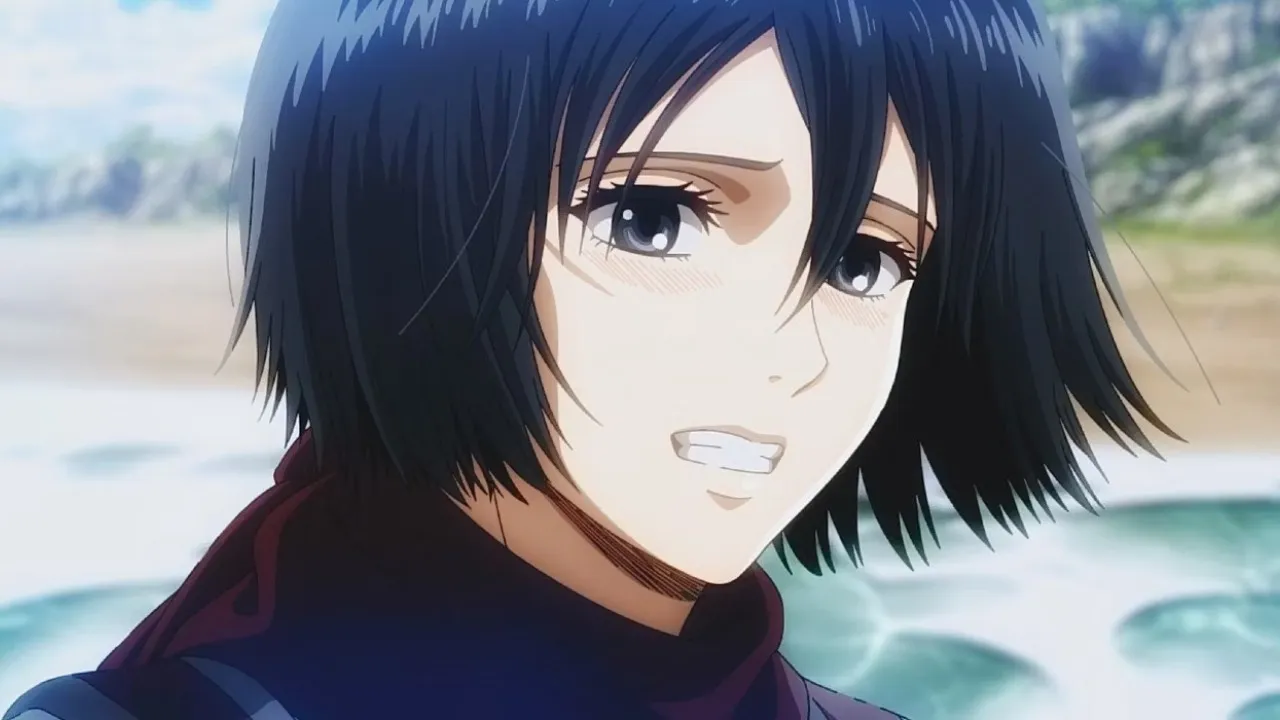
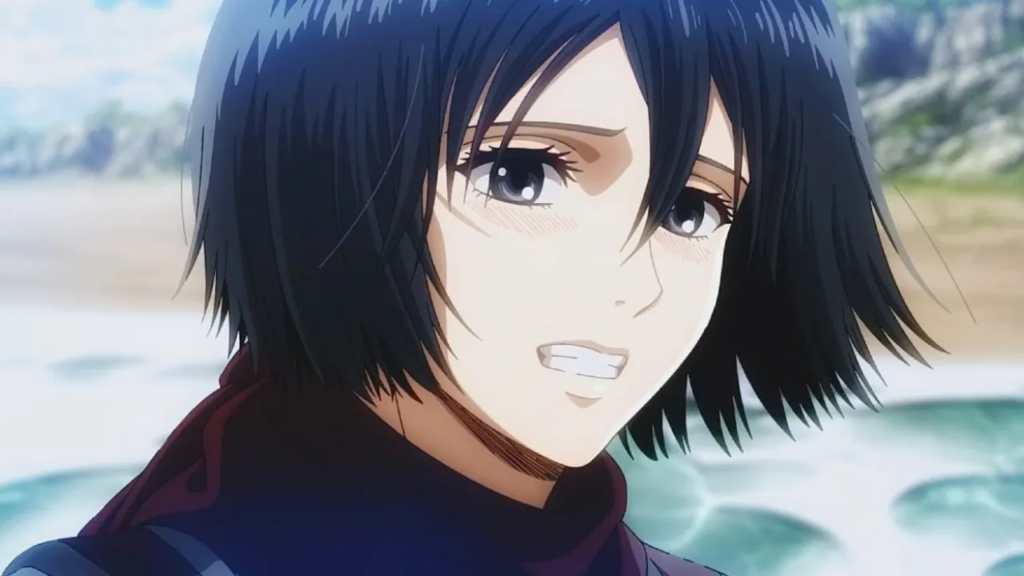
2. Mikasa Ackerman (Attack on Titan)
- Central Agency: Physical Dominance and Protection.
- Role: She is considered the most capable soldier in humanity (alongside Levi). Her main purpose is not to await rescue but to ensure the survival of those she loves. She is the protector, inverting the traditional gender role.
- Impact: Proves that strength and physical ability in shonen have no gender barriers.
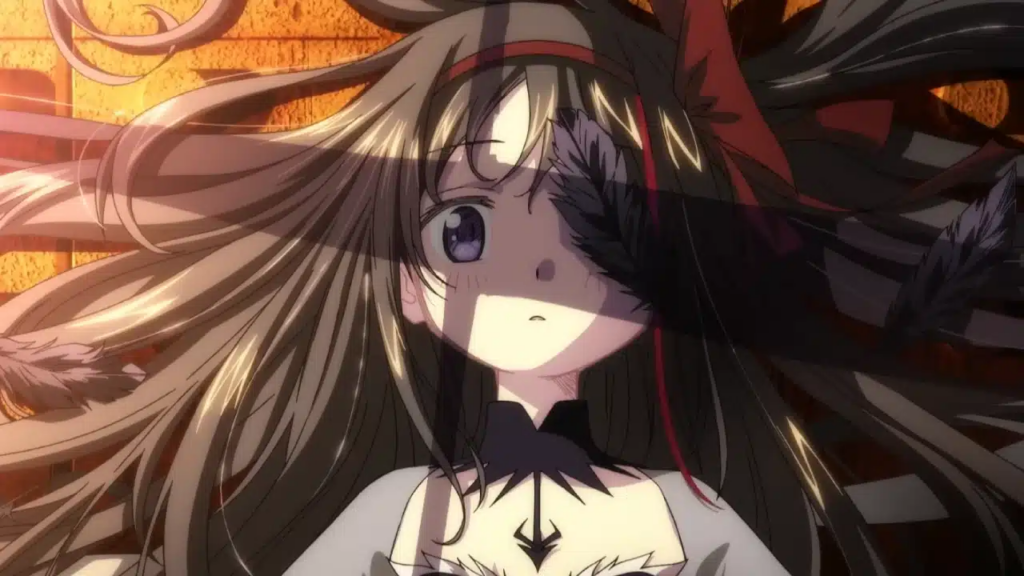
3. Homura Akemi (Puella Magi Madoka Magica)
- Central Agency: Sacrifice and Tragic Determination.
- Role: In a deconstruction of the Magical Girl genre, Homura repeatedly sacrifices herself to try and change a tragic fate. Her agency comes from her unwavering will to fight the cosmic system, not her magical powers.
- Impact: Elevated the magical female character to the status of a philosophical and complex heroine.
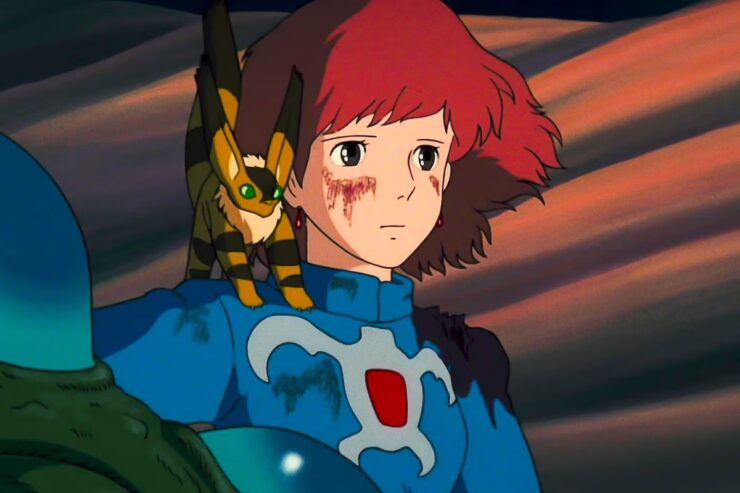
4. Nausicaä (Nausicaä of the Valley of the Wind)
- Central Agency: Moral Leadership and Mediation.
- Role: Princess of a kingdom, but above all, a scientist and warrior who seeks coexistence between humanity and the toxic ecosystem. She is not saved by anyone but acts as a mediator and savior of worlds.
- Impact: Established an early standard for Ghibli protagonists as active and ethically complex figures.
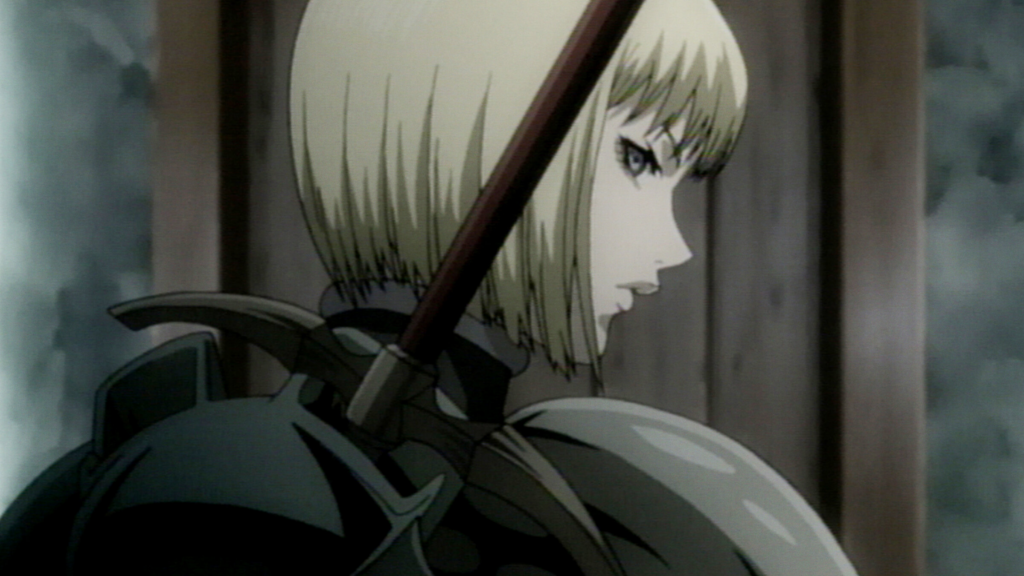
5. Clare (Claymore)
- Central Agency: Personal Revenge and Survival.
- Role: A half-human, half-demon warrior. Her existence is a very personal quest for revenge. The narrative focuses on her struggle for emotional and physical control, and she has no time for romance.
- Impact: Proves that protagonists can be stoic anti-heroines, driven by trauma and possessing an unadulterated survival mindset.
Conclusion
The modern heroine in anime not only breaks the Damsel in Distress trope but replaces it with multi-dimensional archetypes. By centering the narrative on their leadership, psychological struggles, and capacity for action, these series have enriched the medium, proving that the most memorable female characters are those who write their own story.


每天都在战争,希望2026和平.
x2