Keine Daten zum Anzeigen
Gesponsert
Mehr lesen
The art of Japanese animation is often rooted in reality. The practice known as Seichi Junrei (sacred site pilgrimage) has driven tourism to spots that served as direct inspiration for memorable scenes and landscapes. Below, we explore six of the most iconic real-life locations that were immortalized on screen. 1. Makoto Shinkai's Hyper-Detailed Realism Director Makoto Shinkai is...

All For One (AFO) is the fundamental antagonist of My Hero Academia and the symbolic opposite of hero society. His psychology is not based on trauma or vengeance, but on malignant narcissism fueled by a power that allows him to absorb the identity of others. AFO is the embodiment of absolute tyranny, where power is the ultimate end, not the means. 1. The Narcissistic Core (Worldview) ...
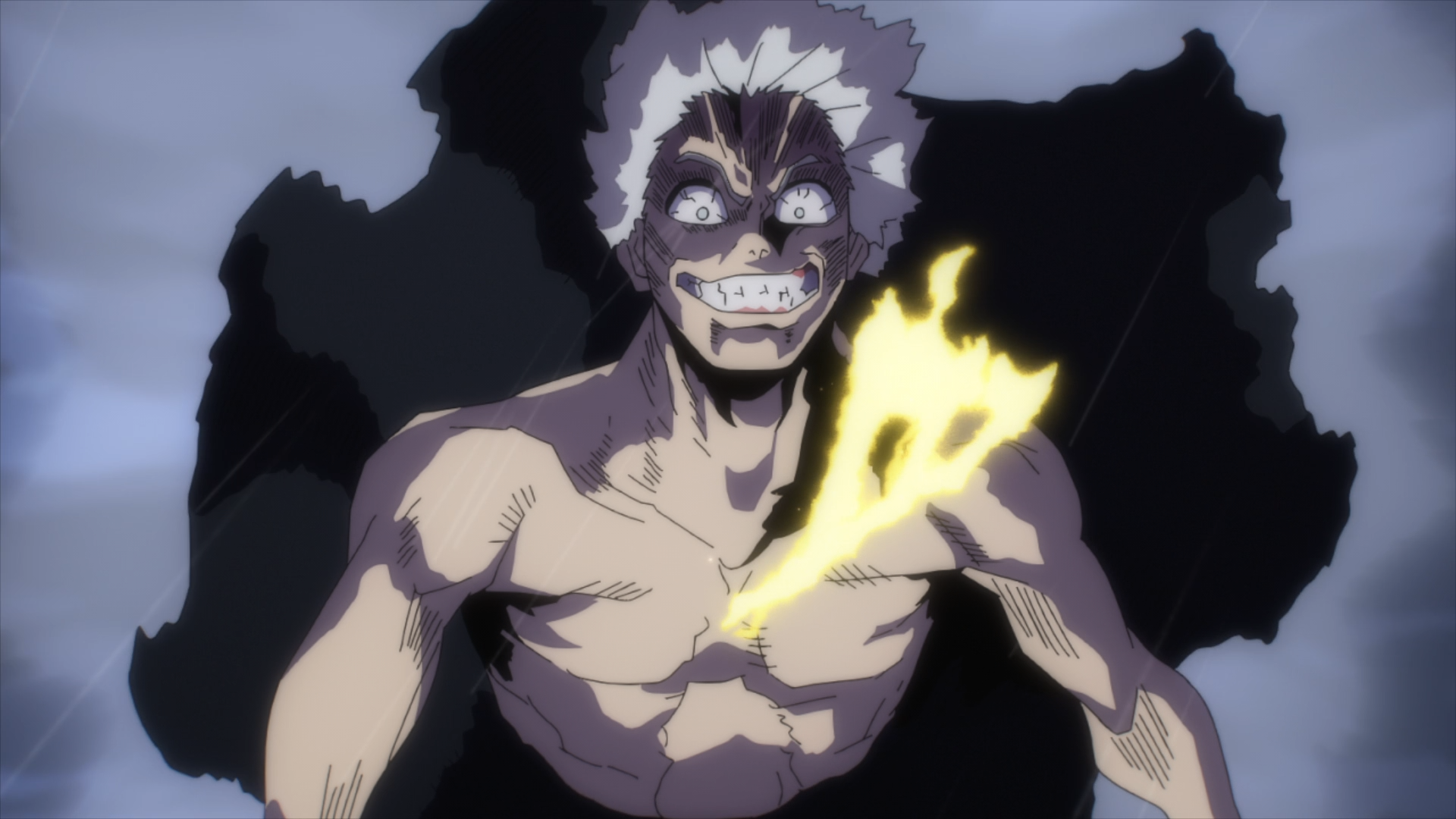
The success of an anime in Japan is historically measured by Blu-ray/DVD sales and broadcast ratings. Global success, however, is measured by international licensing, streaming sales, and long-term cultural influence. The seven series below are primary examples of how low domestic reception was offset by an explosion of popularity in the West. 1. The Adult Swim Phenomenon (The Ratings...
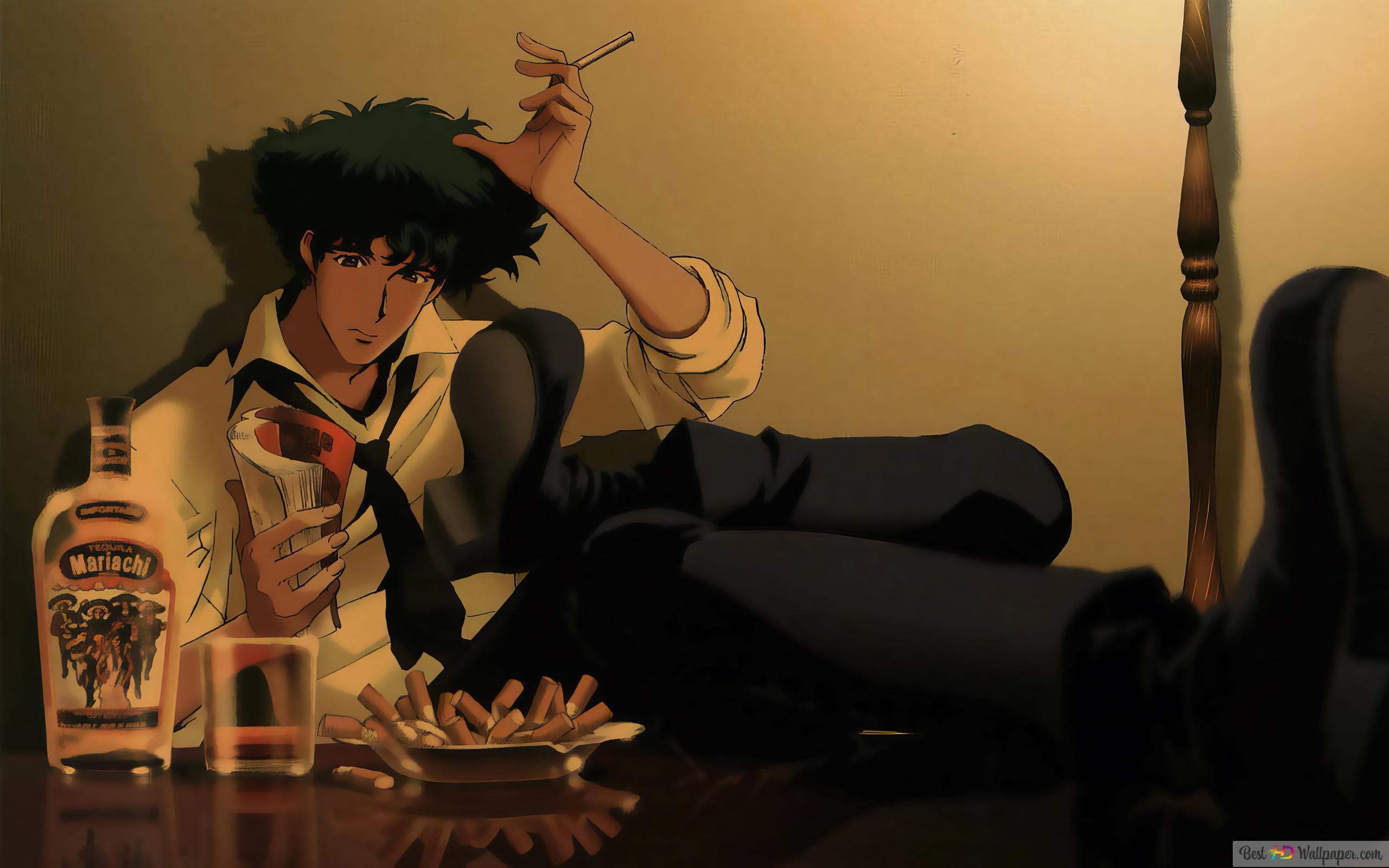
Any anime fan knows the terms “Shonen” (for young boys) and “Shojo” (for young girls). Many are familiar with “Seinen” (for adult men). But there’s a fourth crucial pillar that, in the West, is often overlooked or misunderstood: “Josei.” Josei is the demographic aimed at adult women. It is not Shojo. It is the medium that produces some of...
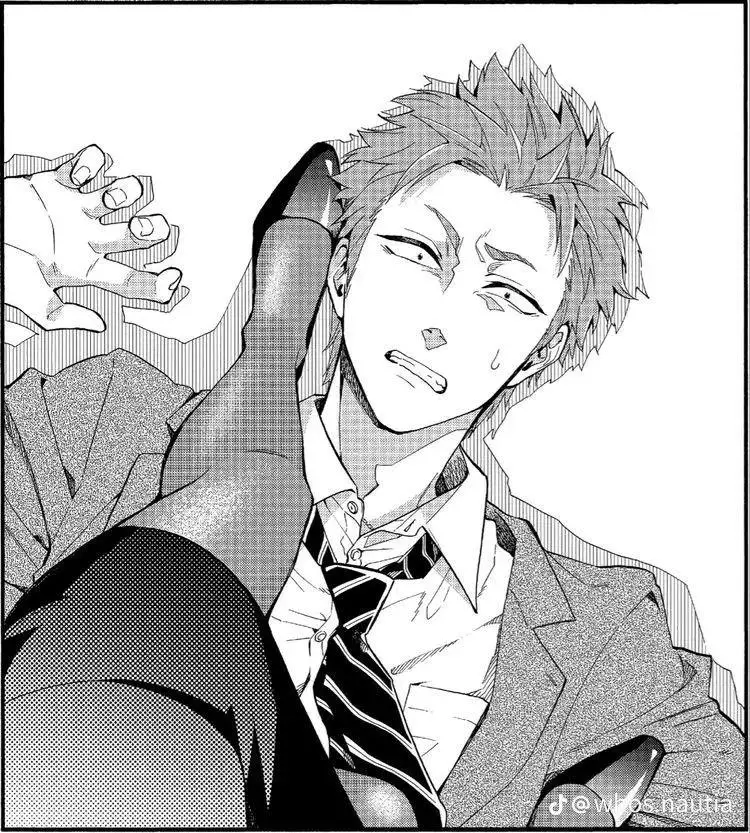
In anime, the concept of a villain often transcends pure evil. The most effective villains are those whose motivations expose systemic, moral, or ethical flaws in the fictional world that the protagonist tries to protect. These individuals operate under an undeniable logic, even if their methods are genocidal, absolutist, or unacceptably extreme. The conflict arises from the difference between...