

No data to show
Sponsored
Read More
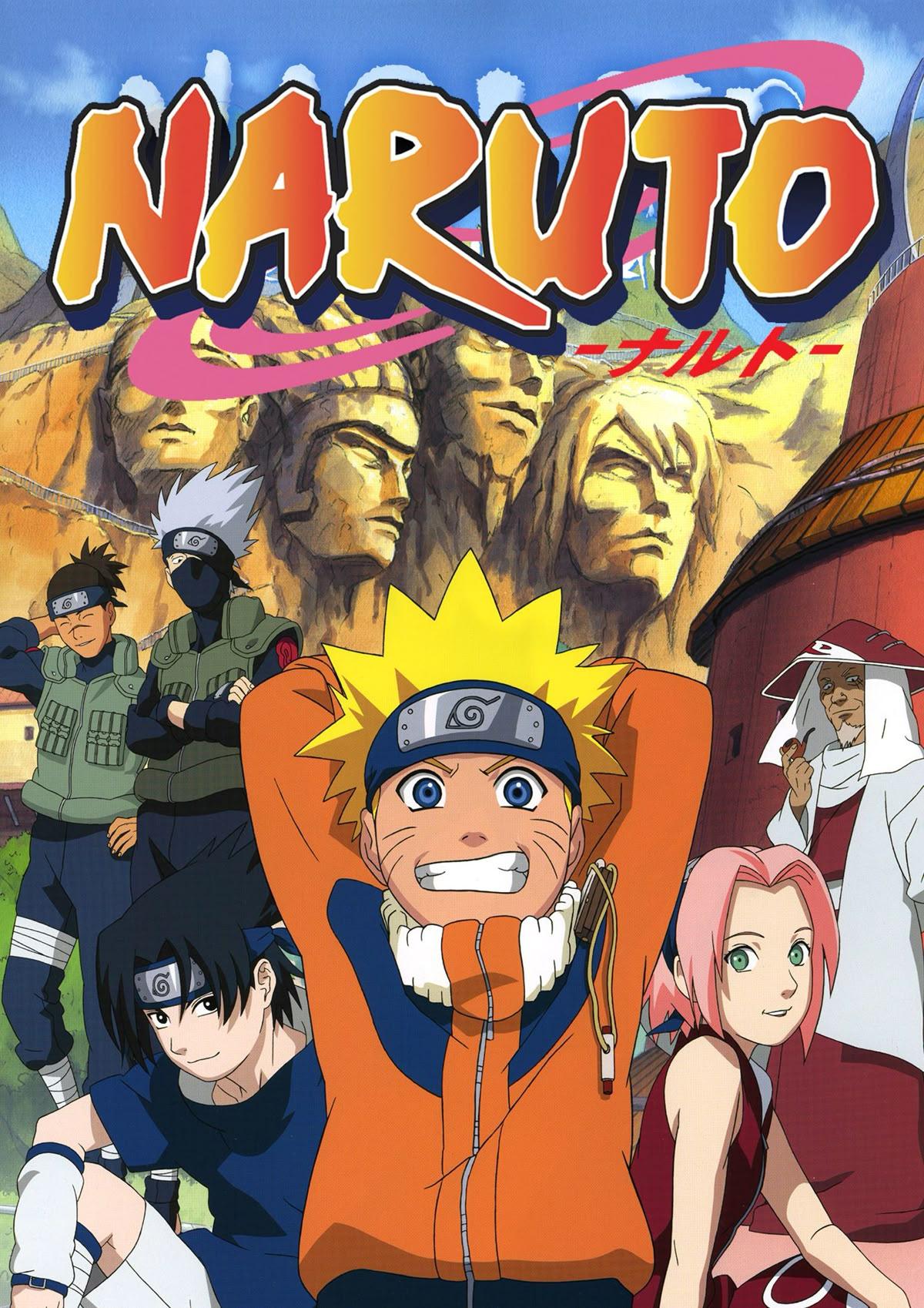
The art of Japanese animation is often rooted in reality. The practice known as Seichi Junrei (sacred site pilgrimage) has driven tourism to spots that served as direct inspiration for memorable scenes and landscapes. Below, we explore six of the most iconic real-life locations that were immortalized on screen. 1. Makoto Shinkai's Hyper-Detailed Realism Director Makoto Shinkai is...
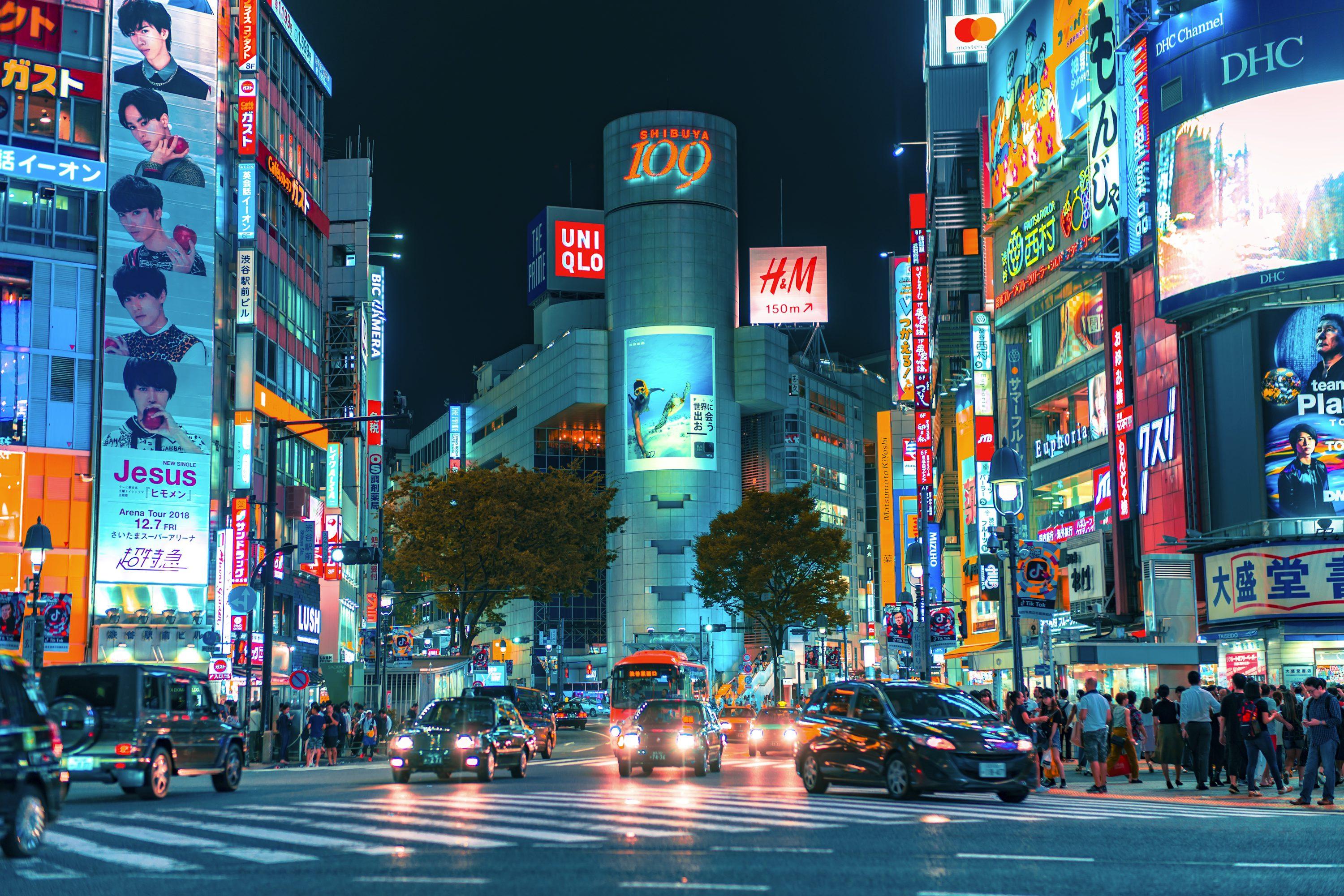
For millions of people in the West (America and Europe), the word “anime” wasn’t learned online. It came from a single source: a programming block on Cartoon Network called Toonami. In the late 1990s and early 2000s, Toonami was, for many, the only gateway to shows like Dragon Ball Z, Sailor Moon, and Gundam Wing. But its legacy runs much deeper than its lineup. It...
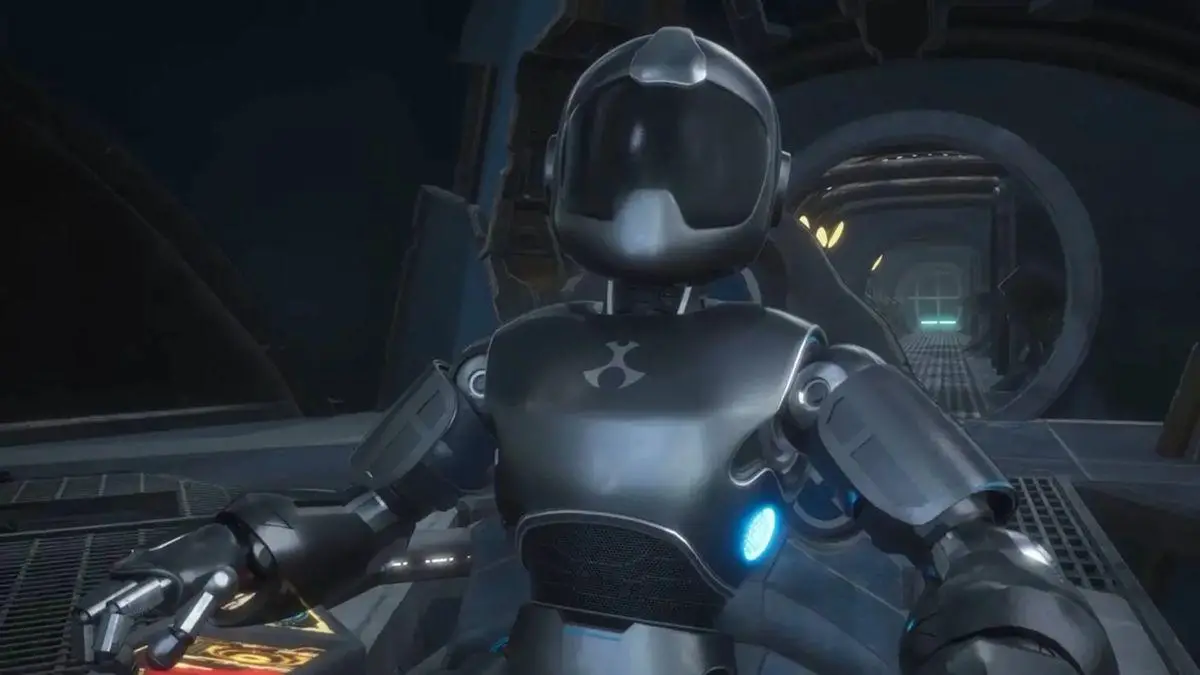
The 80s and 90s were the Golden Age of Cyberpunk, a period where anime fearlessly explored the fear of technology, the omnipresence of corporations, and the merging of the human body with machines. While Akira and Ghost in the Shell are the fundamental pillars, a handful of lesser-known OVAs and films captured the essence of the genre with equal intensity, defining the neon and dystopian...
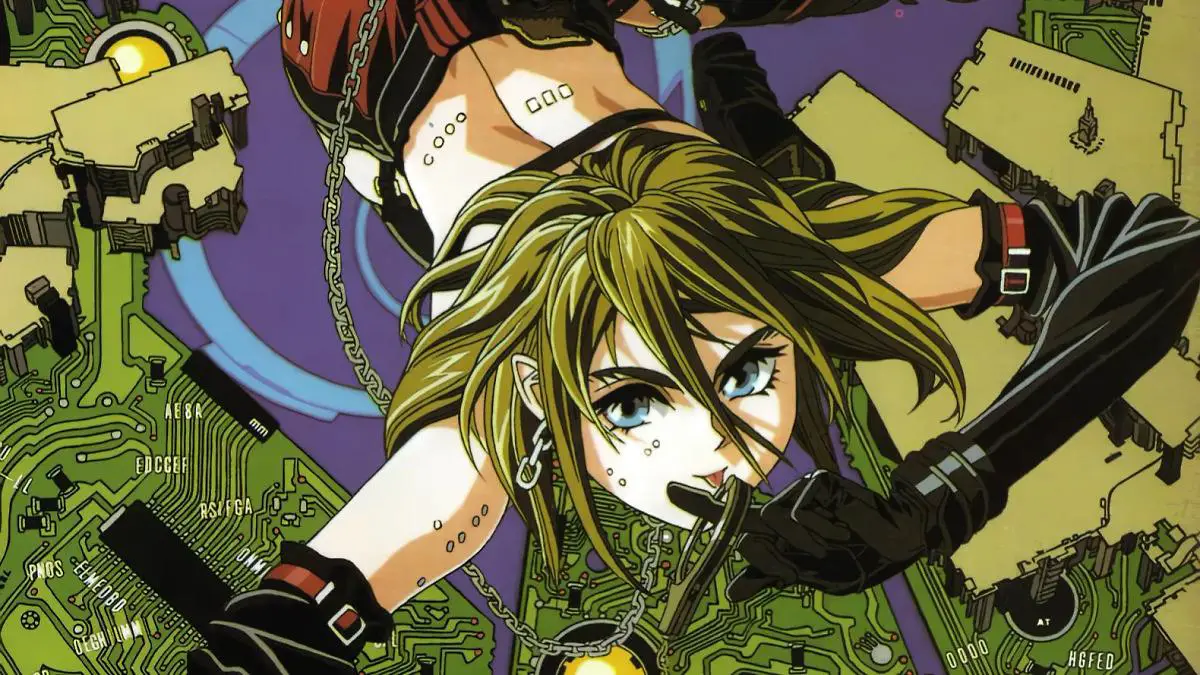
Anime was built on the foundation of hand-drawn 2D animation. When 3D (CGI) makes its appearance, the fan reaction is often one of deep rejection. The aversion stems from a fundamental problem: the inability of low-budget 3D to blend with the visual style and narrative timing of traditional animation. Below, we analyze the root of the rejection and the rare exceptions that have proven the...

Filler vs. Canon: A Beginner's Guide to Understanding Anime Arcs (and Which to Skip) You're watching a long-running action anime, like Naruto. The main plot is intense; the characters are in the middle of crucial training or a life-or-death battle. Suddenly, the next episode begins, and the main characters are on an unimportant side mission, like helping a talking ostrich or cooking the...