

No data to show
Patrocinados
Read More
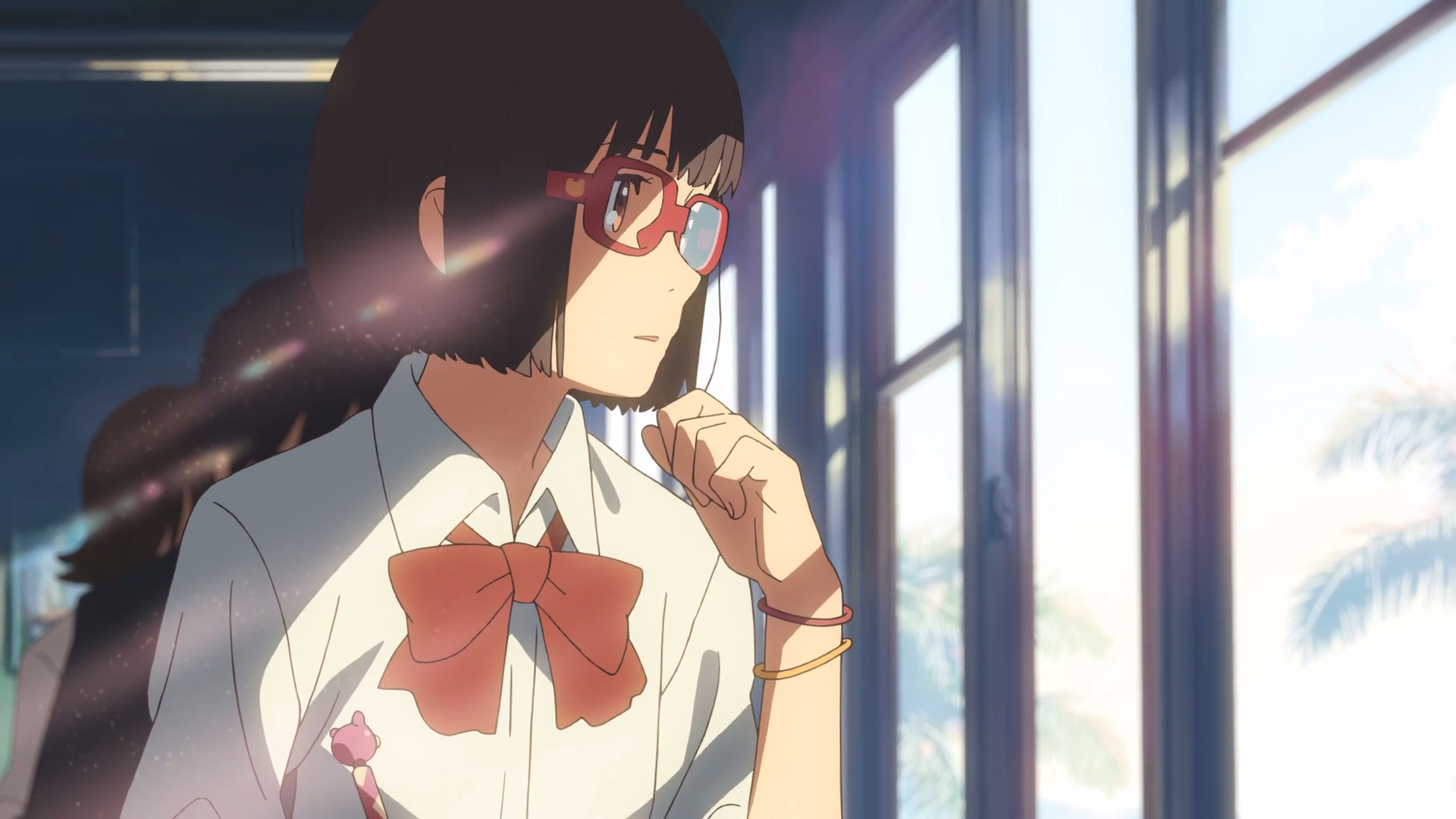
The "window seat and last row" trope is a near-universal visual convention in the school anime genre (slice of life and shonen). The protagonist, often an introverted, melancholic character or the "chosen one," is invariably positioned in the far right corner of the classroom. This placement is not random; it is a deliberate choice dictated by visual composition, narrative necessity, and...
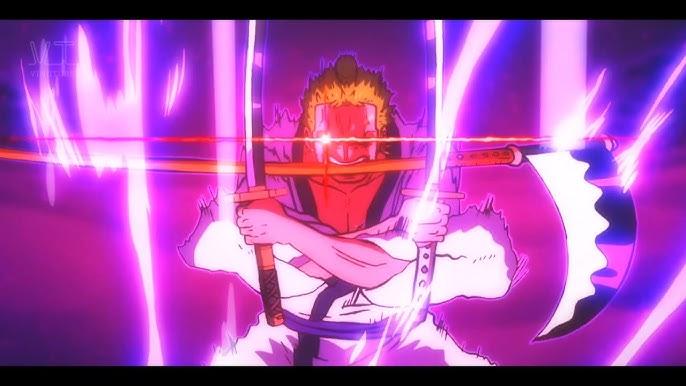
A "broken Power-Up" is an ability or transformation that drastically disrupts the pre-established power balance within a narrative. These sudden increases in strength are often introduced as a Deus Ex Machina or lack logical progression, guaranteeing the protagonist immediate victory at a high narrative cost. These 10 examples represent the most illogical and disruptive power increases in...
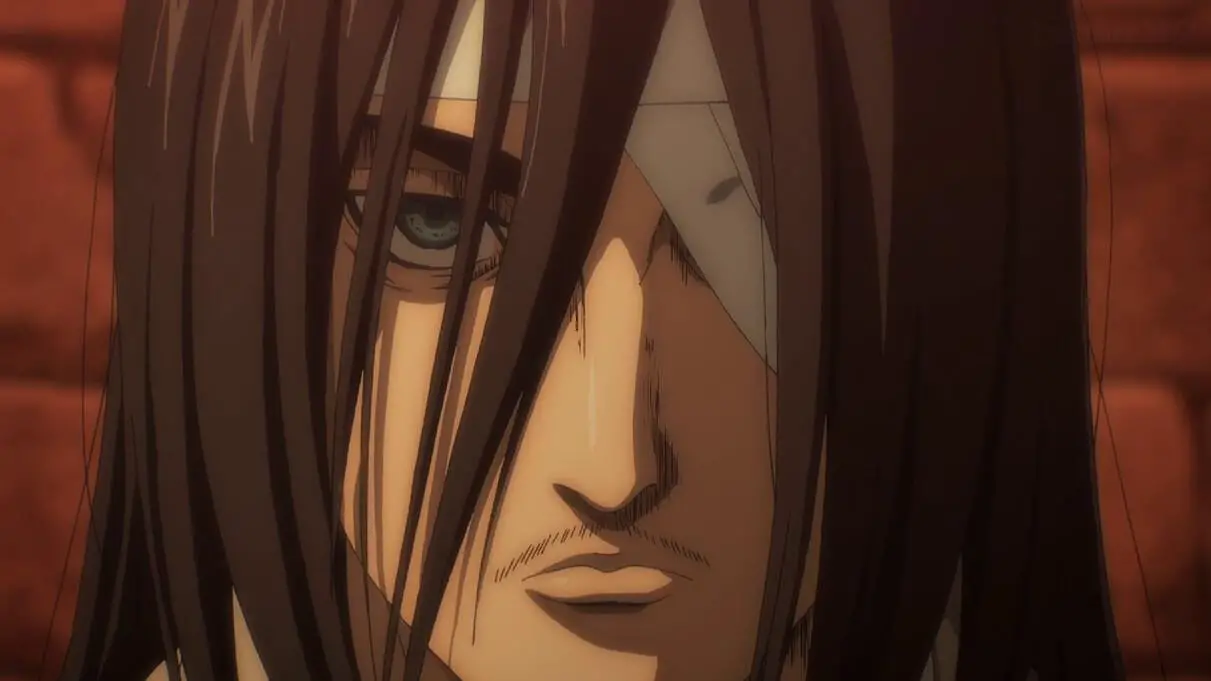
In anime, the concept of a villain often transcends pure evil. The most effective villains are those whose motivations expose systemic, moral, or ethical flaws in the fictional world that the protagonist tries to protect. These individuals operate under an undeniable logic, even if their methods are genocidal, absolutist, or unacceptably extreme. The conflict arises from the difference between...
The Damsel in Distress (DiD) trope, where the primary narrative function of a female character is to be rescued by a male hero, has long been a pillar of fiction. However, anime and manga have been pioneers in deconstructing this concept, offering female characters who are not only strong but leaders, strategists, and active agents of their own destiny. This article celebrates the heroines who...
For millions of people in the West (America and Europe), the word “anime” wasn’t learned online. It came from a single source: a programming block on Cartoon Network called Toonami. In the late 1990s and early 2000s, Toonami was, for many, the only gateway to shows like Dragon Ball Z, Sailor Moon, and Gundam Wing. But its legacy runs much deeper than its lineup. It...